
Art News ·
Art News: How AI Will Change Art Valuation
By Whitebank Fine Art
Artificial intelligence is starting to change how art is valued, at auction and in private sales. For established artists with a long record of public sales, the change is already under way: machines can now read that record faster and more consistently than any person can.
What an AI valuation actually does
A valuation for an artist with a market starts from comparable sales: works of a similar date, size, medium and subject that have sold recently, adjusted for condition, provenance and the state of the market. That is the part machine learning does well. A model can search hundreds of thousands of auction results in seconds, match a painting or print to its closest comparables by image as well as by description, and suggest a range.
For prints and editions, where the same image has sold many times, this works particularly well. A screenprint by a widely traded artist has a clear public record, and a model can follow it edition by edition, sale by sale.
What the research shows
A study published in December 2025 by Jianping Mei and Michael Moses, whose art price index has tracked repeat sales for decades, with Jan Wälty, tested deep learning models on a large set of repeat sales from major auction houses. Its central finding matters for anyone who owns a work by an established name: when a sales history exists, it dominates. Prior prices and the artist's identity did most of the work, and analysing the image itself added little. Pictures helped most with works appearing at auction for the first time.
The models also tended to underestimate the most prestigious sales, where competition between bidders and the profile of a big evening auction push prices above what the data predicts, and they were less reliable in categories with fewer sales. The authors concluded that context and reputation, the things specialists understand, still have to be brought in.
Auctions: estimates, timing and strategy
At auction, the first effect is on estimates. Machine-assisted ranges should become quicker to produce and more consistent from one specialist to the next, which matters when an owner is choosing where and when to sell. The same tools help with timing, showing how an artist's prices are moving, which periods and sizes are in demand, and how many comparable works are coming up for sale.
They do not take the strategy out of an auction. An estimate can still be set low to draw bidders, and guarantees and irrevocable bids still shape what happens on the night.
Private sales: where the data runs thin
Private sales are harder. Prices agreed between dealers, advisers and collectors are not published, so a model trained on auction results sees only part of the market, and it cannot know what a particular buyer will pay for a particular picture. What AI can offer is a shared, evidence-based starting point, which should make private negotiations quicker and harder to bluff. The final figure will still depend on knowing who wants the work, and why.
Authentication is the harder test
Value rests on attribution, and here AI is promising but contested. In 2021 the Swiss company Art Recognition said its system gave a 91 per cent probability that the National Gallery's Samson and Delilah was not by Rubens; the gallery, citing its own technical research, stands by the attribution. In 2023 two AI systems reached opposite conclusions about the de Brécy Tondo, one finding it likely to be by Raphael and the other not.
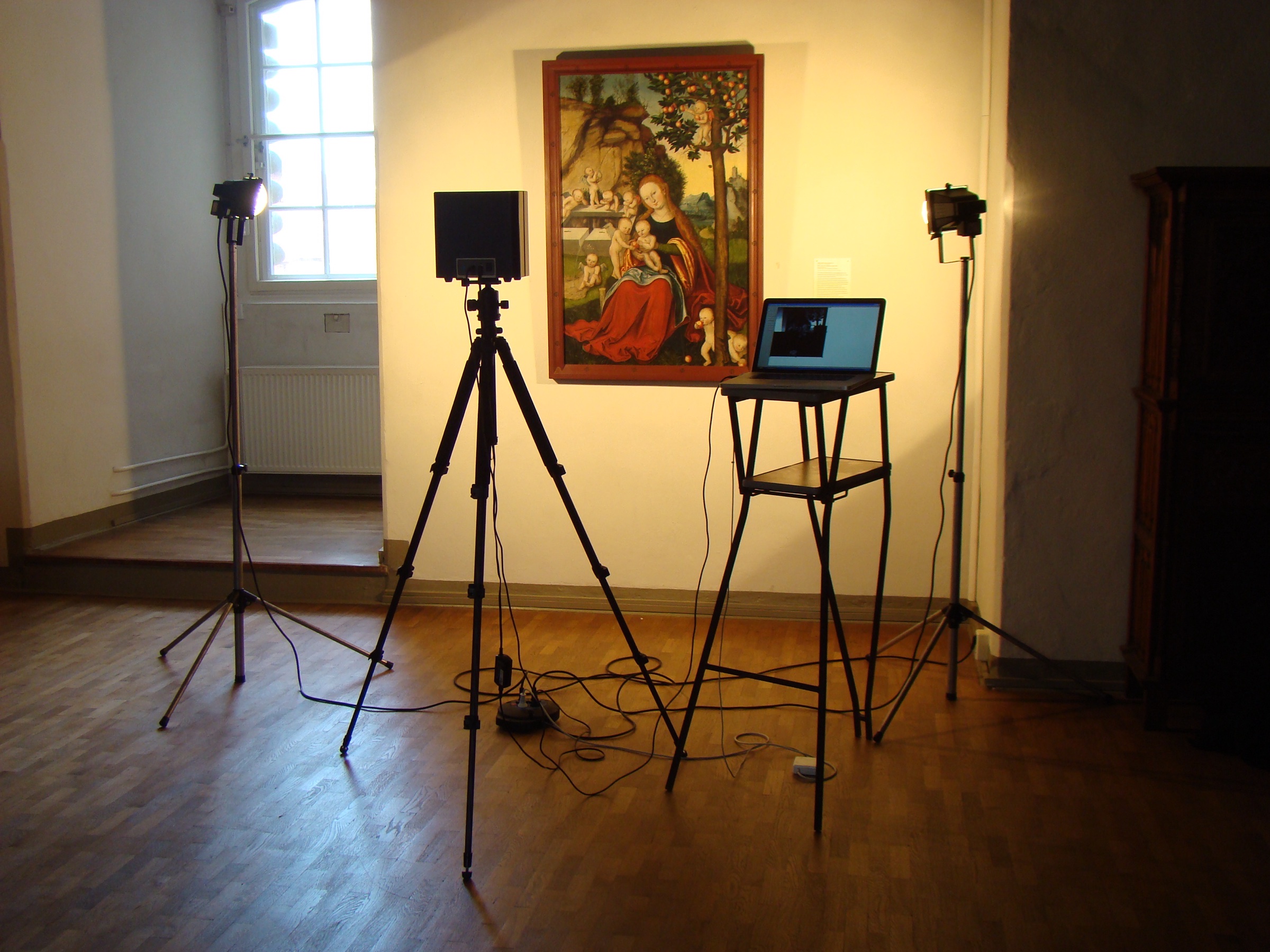
Infrared reflectography of Lucas Cranach's Madonna and Child of 1526, now in the museum at Güstrow Castle, by the Cranach Research Institute. Photo: Peter Schmelzle, CC BY-SA 3.0, via Wikimedia Commons.
For now, no buyer will pay a Rubens price on an algorithm's word. The catalogue raisonné, the artist's foundation or authentication committee, provenance research and scientific analysis are still what settle authorship, and so still what settle value.
What the industry expects
In the Deloitte Private and ArtTactic Art & Finance Report 2025, AI and market analytics had the support of 61 per cent of art professionals and 60 per cent of wealth managers, rising to 67 per cent among the next generation of collectors. Better valuation and greater transparency were among the needs every group named, alongside provenance and authenticity.
What it means if you own a work by an established artist
For owners, the likely effects are faster and more consistent indications of value, and fewer surprises when a work goes to sale. The parts a model cannot see are still the ones that move a price: condition in the room, a provenance that adds or takes away value, an exhibition history, the right sale at the right moment, and a buyer who wants this picture rather than one like it. Data can show what similar works made; judgement is still needed to say how far yours differs.
If you own a work by an established artist and are thinking of selling, send us photographs for a free art valuation. We look at the sales record and at what it cannot show, and there is no obligation to sell.
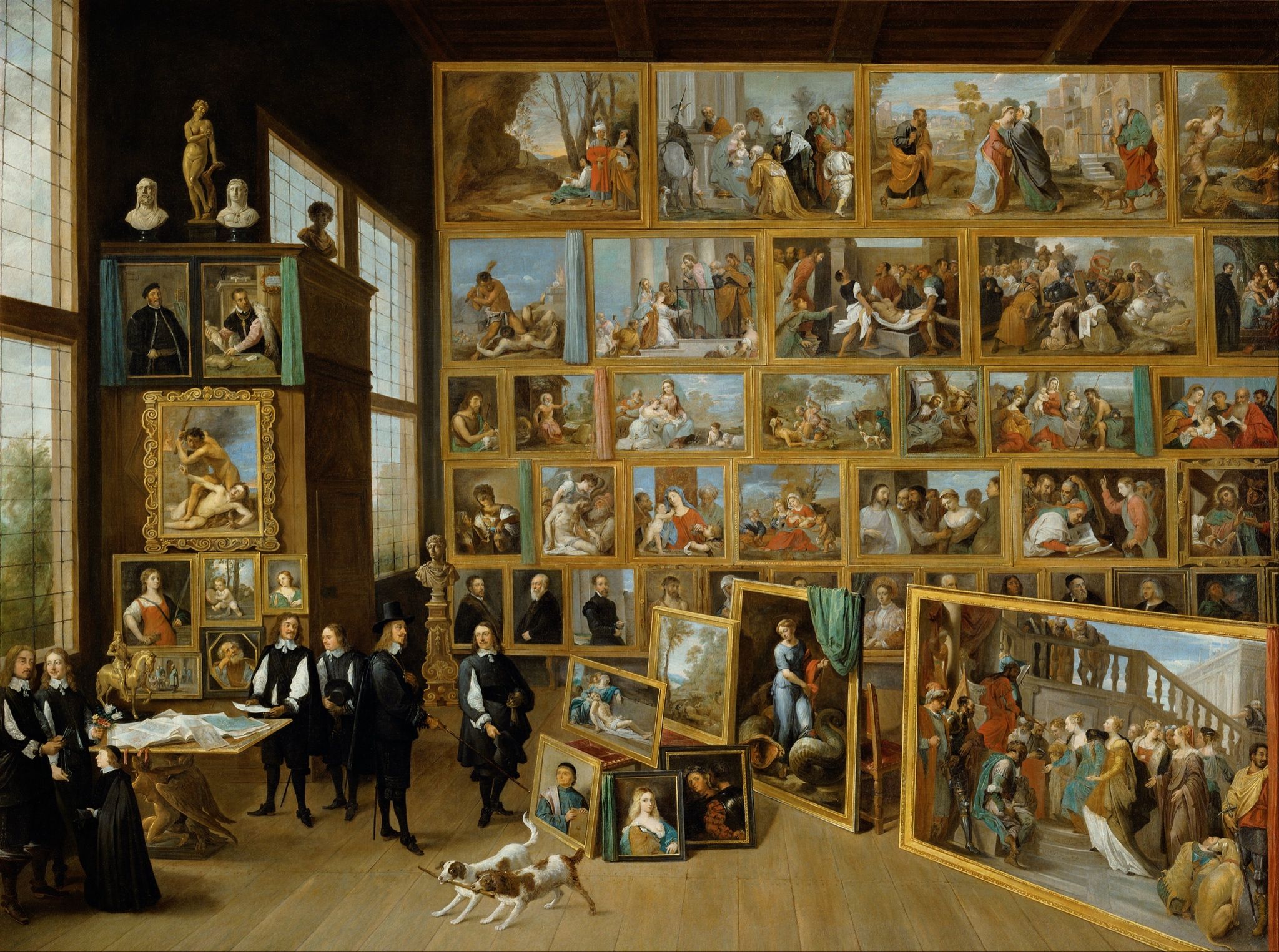
Cover: David Teniers the Younger, Archduke Leopold Wilhelm in his Gallery at Brussels, about 1650.
Auction market