
Andy Warhol valuation
The most reproduced artist of the century, which is exactly why the sheet in front of you has to prove what it is.
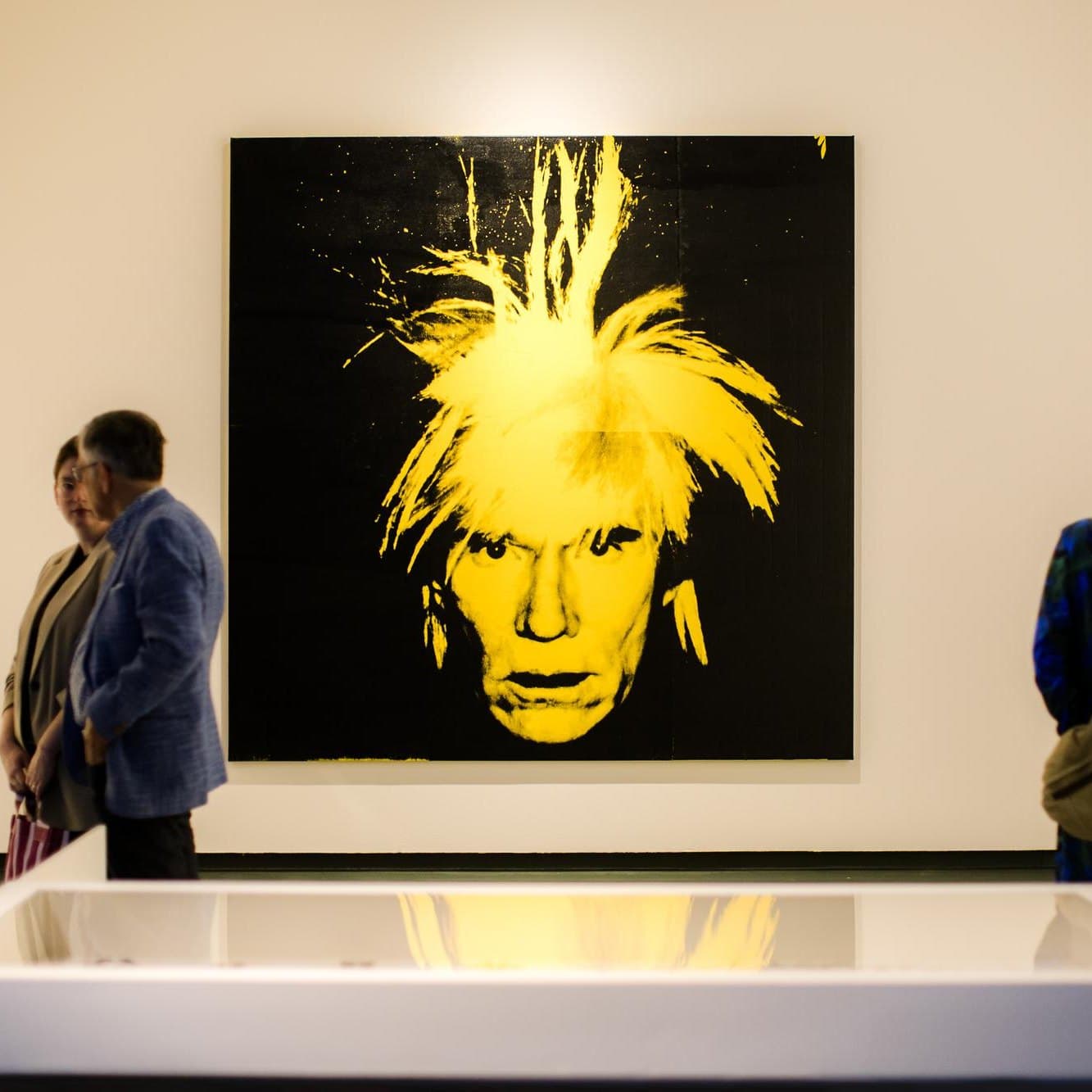
Warhol's market is really several markets wearing one name. At the top are the unique silkscreen paintings of 1962 to 1965 — Marilyn, Elvis, the Disasters, the Campbell's cans — which are among the most valuable objects in twentieth-century art. Beneath them sits an enormous printed output: the portfolios published through Factory Additions and later Ronald Feldman, the Polaroids, the drawings, the commissioned society portraits of the 1970s and 80s, and a volume of licensed reproduction that has no parallel. A valuation that does not first establish which of those it is looking at is not a valuation.
The question owners actually arrive with is whether what they have is an edition at all. Warhol images have been printed on posters, plates, tote bags and gallery announcements for sixty years, and a good offset poster in a good frame looks very like the screenprint it was advertising. The answer is in the margin and on the reverse — a published edition is normally signed or stamp-signed, numbered, on a recorded paper at a recorded sheet size, and Feldman's catalogue raisonné of the prints is the reference that settles it. Framing hides exactly the evidence that decides the question, which is why the first thing we ask for is a photograph of the back.
The other complication is authentication. The Andy Warhol Art Authentication Board was dissolved in 2011 after a decade of litigation, and no body now issues opinions on attribution. That has thrown the whole weight onto provenance: where a work has been since it left the Factory, which gallery handled it, whether it appears in the Foundation's records. Posthumous editions published by the estate and the Sunday B. Morning reprints are legitimate objects in their own right and are not the same thing as a lifetime impression, though they are routinely offered as though they were.
Condition then does the rest, and it is less forgiving here than owners expect. The flat unmodulated colour fields that make a Warhol screenprint work are the same fields that show every scuff, and the fluorescent and metallic inks in several portfolios fade measurably on a lit wall. Light damage is the fault we see most often, because it happens slowly in someone's own home over thirty years and nobody notices until two impressions are laid side by side.
At auction
- Shot Sage Blue Marilyn$195m
- Acrylic and silkscreen ink on linen, 1964 · Christie's, New York · 9 May 2022
- Christie's, as widely reported
- The most expensive twentieth-century work ever sold at auction, from the Thomas and Doris Ammann collection.
- Silver Car Crash (Double Disaster)$105.4m
- Silkscreen ink and silver paint on linen, 1963 · Sotheby's, New York · 13 November 2013
- Sotheby's, as widely reported
- Triple Elvis (Ferus Type)$81.9m
- Silkscreen ink and silver paint on linen, 1963 · Christie's, New York · 12 November 2014
- Christie's, as widely reported
Results as reported at the time of sale, inclusive of buyer's premium. They are a record of what specific works achieved on specific days, not a guide to what any other work is worth.
Selling a work
We represent the seller rather than the auction house: comparing houses and sale dates, negotiating the seller's terms, and keeping the paperwork and remittance in your name. What sets the value of a Andy Warhol sets out what we look at first. Selling a Andy Warhol print covers the routes, the fees and the timetable for this artist in particular.