Skip to content
Whitebank Fine Art

Art auction advisory

We act for the seller, not the auction house. That means comparing salerooms and sale dates, negotiating reduced commission, agreeing estimates and reserves, all while keeping the contractual paperwork in your name from consignment to settlement.

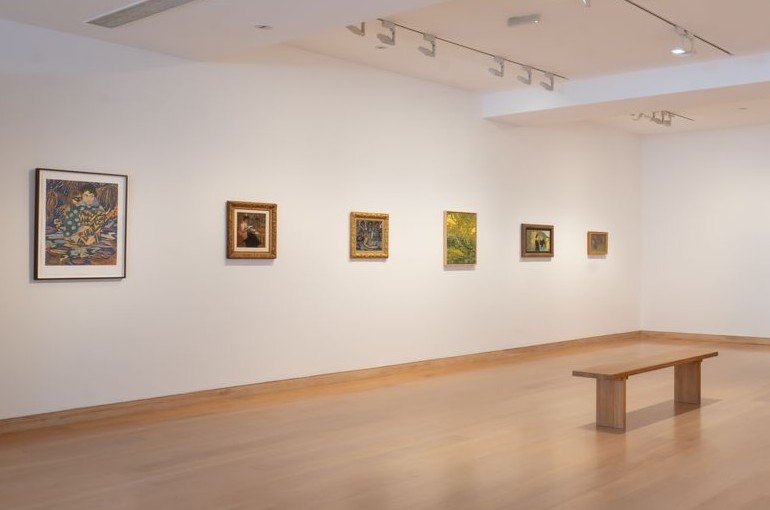
Gallery installation view

Our approach

Working across well known international auction houses or lesser known regional auction houses we will endeavour to provide you options to make a sale with the best results.

Taking into consideration auction history in specific locations, available dates, different settlement periods and all associated fees, we can offer a sale that balances all options to suit your needs. Our fees are typically structured at 0%, but can range from 2.5 to 10%, dependent on complexity, which, however, once we’ve negotiated reduced seller rates on your behalf, mean your overall sale fees remain the same or lower. Unsold and marketing fees can also usually be avoided. We push to get the best sale price possible.

We offer a trustless service whereby all paperwork and remittance remains directly in your name. Shipping and insurance will also be handled on your behalf at a trade rate when possible.

Extensive experience working with all major and regional auction houses.

The process

From valuation to saleroom

You remain the consignor throughout. The contract and the remittance stay in your name; we sit on your side of the table rather than the saleroom’s.

  1. Stage 01Consultation

    We look at what you own and what you want from it. No obligation, and nothing leaves your hands.

  2. Stage 02Valuation and research

    Condition, provenance and comparable results give you a realistic range before anything is committed.

  3. Stage 03Choosing the saleroom

    We approach houses worldwide and negotiate estimate, reserve, commission and marketing on your terms, not theirs.

  4. Stage 04Consignment

    Your work goes into the right sale, catalogued and presented the way it deserves to be.

  5. Stage 05Sale and settlement

    We watch the bidding, confirm the result, and see the proceeds through to you.

  6. Stage 06Our typical fees

    Our fees are typically structured at 0%, but can range from 2.5 to 10%.

Where we assist

Every charge in the breakdown below is agreed before your work is catalogued, and most of them are commercial terms rather than fixed costs. We settle them on your behalf — the seller’s commission, the unsold fee, insurance and cataloguing — with the houses competing for the consignment, and we compare what each is realistically likely to achieve for your work before you commit to any of them.

All paperwork and settlement information remains in your name.

What selling at auction costs

The percentage you see quoted whenever an auction house changes its pricing — usually somewhere between 25 and 30% — is the buyer’s premium. It is paid by whoever buys your work, on top of their winning bid, and it is not deducted from your proceeds. It still matters to you, because it is money the buyer has to find on top of the bid, and it quietly caps what they are prepared to bid in the first place.

What you pay is the seller’s commission, together with a set of smaller charges that are rarely printed alongside it. None of them is hidden, exactly. They are simply spread across a contract, a rate card and a schedule of terms, and the effect is that most sellers do not find out what a sale costs until it has happened.

Below is the whole of it, in the order you meet it.

Seller's commission

A percentage of the hammer price, deducted before you are paid. Every house publishes a rate card, and for anything of consequence the published rate is not the rate that gets agreed. This is the most negotiable number in the contract and the main one we negotiate on your behalf.

Loss, damage and liability cover

The house insures the work while it holds it, and charges you for doing so — commonly around 1 to 1.5% of the hammer price. Often waivable if you can evidence your own cover for the period.

Cataloguing, photography and illustration

Per-lot charges for the catalogue entry and the photograph of your work. Modest on a single lot, less so across a group consignment, and frequently waived on work the house wants.

Unsold, or bought-in, fee

Charged when a lot fails to sell, usually as a percentage of the reserve. It is the fee you pay for the outcome you did not want, and it is among the first things worth negotiating away.

Withdrawal fee

The expensive one, and the one sellers most often meet by surprise. Once a work has been catalogued, taking it back out can cost a percentage of the mid-estimate. Agree those terms before you sign, not when you want to change your mind.

Shipping, handling and storage

Getting the work to the saleroom, and holding it if the sale is months away. Trade rates are materially cheaper than retail ones, and are not always offered unless asked for.

Artist's Resale Right

A royalty paid to the artist, or their estate, on qualifying resales — set in law rather than by the auction house, and charged to the seller. The bands are below.

VAT

Charged on the fees, not on the hammer price. At 20% it is not a rounding error: a 10% commission costs 12% in practice, and it applies to the other charges here too.

Artist’s Resale Right, in full

This one is set in law, not by the auction house, so it is the same wherever you sell in the UK and there is nothing to negotiate. It is payable on sales at or above £1,000, for artists who are living or who died within the last 70 years, and it is charged to the seller. The bands are cumulative — each rate applies only to the portion of the price that falls inside it — and the total royalty on any single sale is capped at £12,500.

Artist’s Resale Right royalty rates by portion of sale price
Portion of sale priceRoyalty
Up to £50,0004%
£50,000.01 to £200,0003%
£200,000.01 to £350,0001%
£350,000.01 to £500,0000.5%
Over £500,0000.25%

Rates and thresholds as published by gov.uk, in sterling since 1 April 2024. Commercial fees above are indicative of current market practice and are confirmed against each house’s terms for your sale.

Fees, asked and answered

How much does it cost to sell a painting at auction?

There is no single number, but the shape is consistent: a seller's commission taken as a percentage of the hammer price, plus insurance while the house holds the work, per-lot cataloguing and photography, shipping, VAT on all of those, and the Artist's Resale Right where the artist is living or died within the last 70 years. A seller who negotiates nothing and reads nothing can lose a meaningful share of the hammer price to charges that were all negotiable.

What is the difference between the buyer's premium and the seller's commission?

The buyer's premium is paid by whoever buys the work, on top of their winning bid. It is the figure quoted in the press — currently in the region of 25 to 30% at the lower tier across the major houses, falling in stages on higher-value lots. The seller's commission is what you pay, deducted from the hammer price. They are separate charges on separate parties, and a house can hold one steady while moving the other.

What happens if my work does not sell at auction?

It is bought in, and most houses charge an unsold fee, typically a percentage of the reserve. The work is also now publicly recorded as having failed to sell, which affects how it is received the next time it appears. Both are reasons to argue about the reserve and the estimate before the sale rather than the fee afterwards.

Do I have to pay the Artist's Resale Right?

If the work qualifies, yes — it is a statutory royalty and the seller pays it. It applies to sales at or above £1,000 for artists who are living or who died within the last 70 years, on a sliding scale from 4% down to 0.25%, and the total is capped at £12,500 for any single sale. It is collected by societies such as DACS and ACS rather than by the artist directly.

How long after the auction do I get paid?

Most houses settle around 30 to 35 days after the sale, and only once the buyer has actually paid — which is not always the same thing. Settlement periods differ between houses and are one of the terms worth comparing when the sale dates are otherwise similar, particularly if the timing of the money matters to you.

Extra Services

Categories we advise on

  • Contemporary and Post-War Art

    Work from 1945 to now — the most actively traded category at auction, and the one where estimates move fastest.

  • Modernist Art

    Early- and mid-twentieth-century painting and sculpture, where condition and exhibition history carry unusual weight.

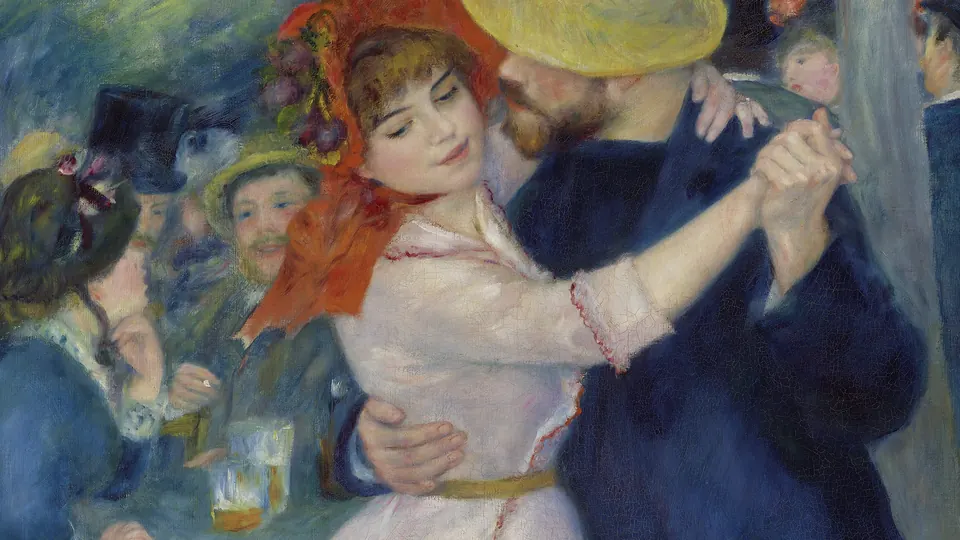
  • Impressionist Art

    Impressionist and Post-Impressionist works, a market that rewards impeccable provenance above almost everything else.

  • Old Master Paintings and Drawings

    Pre-1800 painting and works on paper, where attribution and scholarship determine value more than fashion.

  • Photographic Art

    Vintage and contemporary photography, where print date, edition and printer matter as much as the image.

  • Street Art and Urban Contemporary

    Banksy and the wider urban contemporary market, where authentication paperwork is often half the value.

Considering a sale, or looking for a particular work?

Whitebank Fine Art is a London art advisory and gallery. A photograph and a few details are enough to begin — a valuation carries no obligation to proceed.