
Art News ·
The 70% Correction: How Contemporary Collapsed and the Old Masters Came Back
By Richard
In 2021, the fastest money in art was made on paintings that were barely dry. Five years later, the average ultra-contemporary work sells at auction for $15,629 — a decade low, and 72.4% below its 2021 peak. Over the same stretch, Christie’s took $183 million on paintings made before 1850, a 232% year-on-year jump.
Two numbers, one market. Here’s what actually happened between them.
The bubble had a specific mechanic
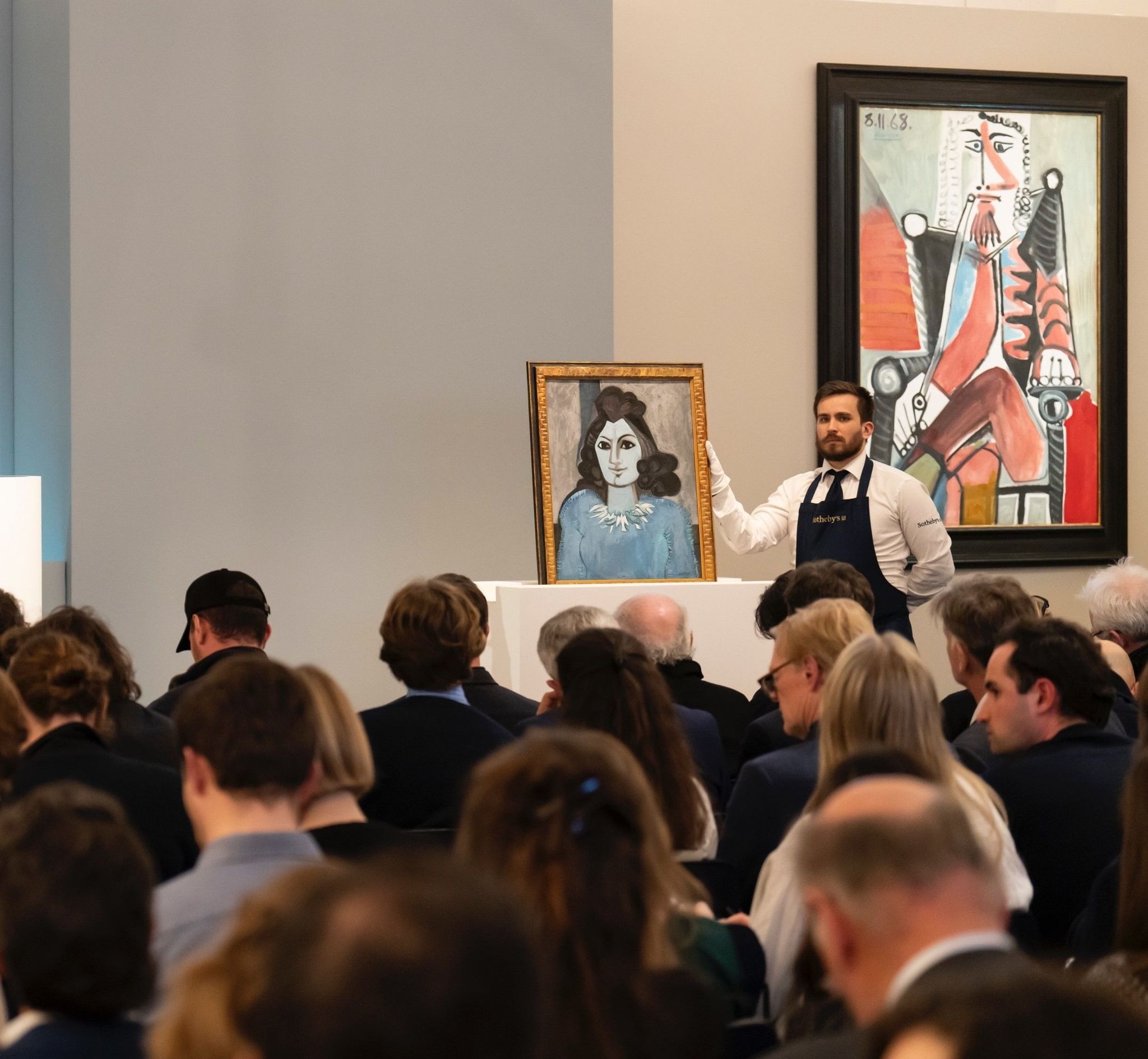
“Ultra-contemporary” means work by living artists made in roughly the last twenty years. In 2021 that category accounted for 34% of postwar and contemporary auction value. By 2025 it was 19%. Postwar and contemporary auction sales overall fell from $8.5 billion in 2021 to $4.5 billion in 2025.
The trade nickname was “wet paint,” and the mechanic was flipping. A collector would secure a primary-market painting from a gallery at, say, $40,000, hold it past whatever resale restriction the dealer had imposed, and consign it to a day sale where it might fetch six figures. The bid wasn’t really on the artist. It was on the velocity — the belief that someone else would pay more next season.
That works while new buyers keep arriving. It fails the moment they don’t, and it fails hardest for the artists with the least underneath them. A price established entirely at auction, with no deep institutional record and no long collector base, has nothing to fall back to. It doesn’t correct gently. It gaps.
The names and data
The archetypes of the era are well known: Avery Singer, Anna Weyant, Flora Yukhnovich. All three went from modest primary prices to seven-figure auction results in an extraordinarily short window, and all three became shorthand for the trade.
The cleanest documented case is Singer’s Kundry (2018). It sold at Sotheby’s in 2022 for $2.11 million. When it came back to a Sotheby’s contemporary day sale in May 2025, the estimate was $1.4 million to $1.8 million — a low estimate implying roughly a 33% loss for whoever had held it three years, before fees.
That is the shape of the correction, and it is worth being precise about what it does and doesn’t show. It is a resale on one painting, not a verdict on an artist’s work. Weyant and Yukhnovich are routinely cited in the same breath, but I could not find clean like-for-like resale comparisons for either, and inventing percentages for them would be exactly the kind of thing that inflated the category in the first place. Broad market resale returns have fallen to about 4.4% annually. The reliable claim is categorical, not personal: the artists who became visible fastest are the ones whose prices fell furthest.
Why Old Masters were the beneficiary
The obvious explanation — money fled risk — is only half right. The more useful framing is that capital moved toward scarcity and provenance, and the pre-1850 market is built almost entirely out of both.
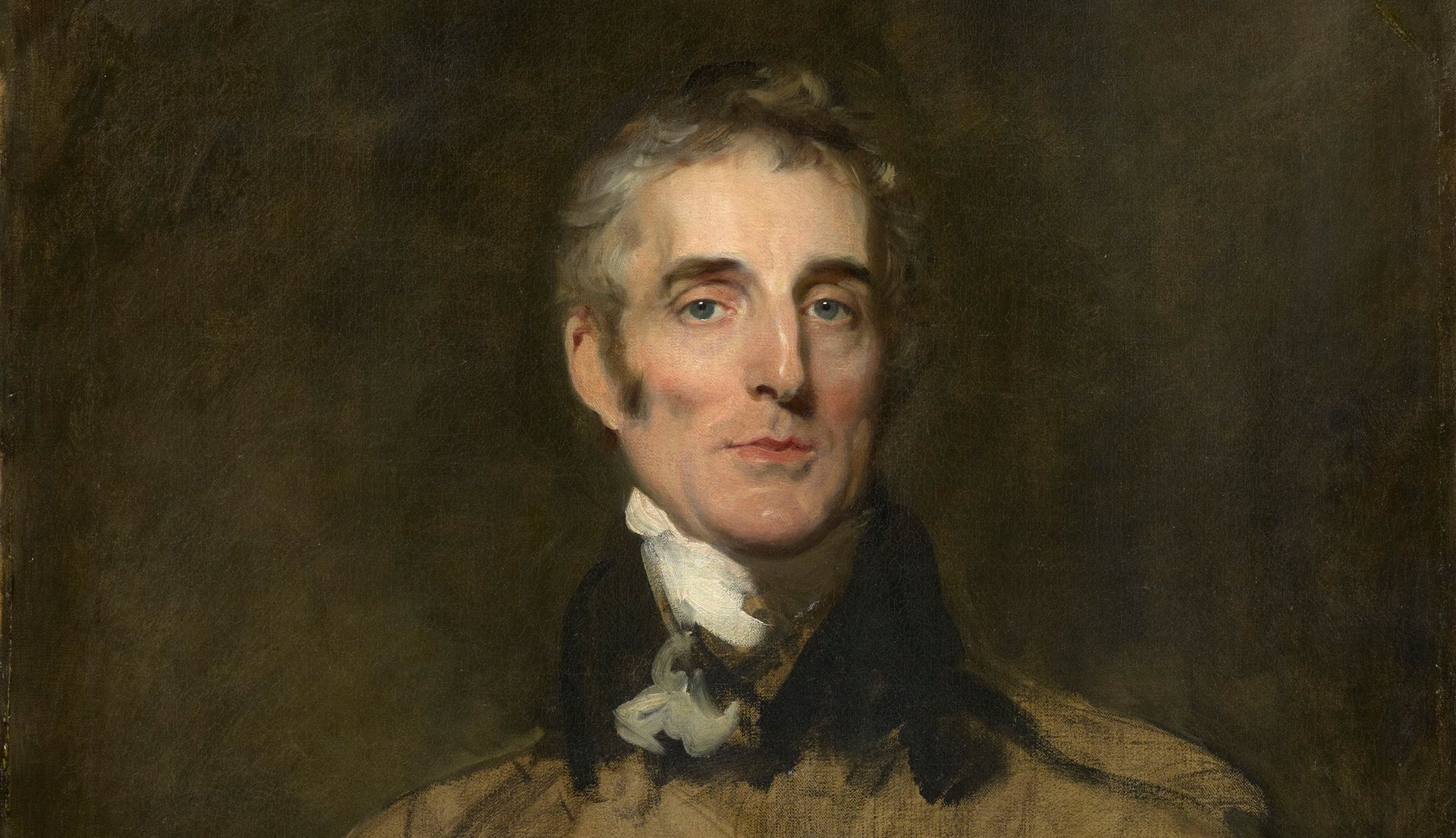
Supply is genuinely finite. Nobody is producing more Lawrence. Attribution has been argued over for centuries, so the surviving research apparatus is deep, which matters enormously at a moment when collectors are visibly anxious about authentication — the artist-authentication committees that once adjudicated modern and contemporary disputes have largely disbanded, leaving buyers of recent work with fewer places to turn. And the category had been unloved long enough to be cheap relative to its quality.
The 2026 results bear it out. Christie’s New York Old Masters sale totalled $54 million, its strongest in more than a decade. A Thomas Lawrence portrait of the Duke of Wellington sold for £9.7 million, quadrupling the previous auction record for the artist. A Neoclassical marble made £13.62 million, the second-highest price ever paid at auction for a pre-modern sculpture.
Crucially, this is not nostalgia buying. Christie’s reported that 47% of its new clients in the first half of 2026 were millennial or Gen Z, up from 45%. The demographic everyone assumed would carry ultra-contemporary forever is, at least in part, buying eighteenth-century pictures instead.
What the correction actually means
Combined H1 2026 auction totals across Christie’s, Sotheby’s and Phillips reached $6.77 billion, the strongest first half since 2022. It would be easy to read that as recovery. It’s better read as reallocation.
The market did not shrink so much as re-sort itself around a different definition of quality. Demand has become object-driven: collectors will still compete ferociously for an exceptional thing and are markedly more discerning about everything else. Rarity, condition and unimpeachable provenance now carry the premium that novelty carried in 2021.
For living artists, that is a harder market but not a worse one. The speculative bid that lifted a handful of careers vertically was never distributed widely, and it was never stable. What replaces it rewards sustained gallery representation and institutional support — slower, less spectacular, and considerably more survivable.
The paint dried. The market noticed.
Sources: Art Basel & UBS Global Art Market Report 2026; ARTnews; Artnet News; Apollo Magazine; The Art Newspaper; HENI; The Art Bystander.