
Art News ·
Art News: The 90s Art and Fashion Exhibition at Tate Britain
By Whitebank Fine Art
Tate Britain's autumn exhibition, The 90s: Art and Fashion, opened on 8 October and runs until 14 February 2027. It is curated by Edward Enninful, the former editor-in-chief of British Vogue, who became fashion director of i-D at the age of 18, and it puts more than 100 works of art, photography and fashion side by side across seven rooms. Tickets cost £22.
Britain in the 1990s, as Enninful saw it
The exhibition begins with a country coming out of recession, when young photographers, stylists, designers and artists turned away from the glossy commercial look of the 1980s and made something rawer of their own. Tate's argument is that in those years high art and popular culture stopped keeping their distance from each other, and the show spends as much time in the magazines, studios and clubs where that happened as it does in the galleries.
It is not a nostalgia trip for Cool Britannia. The Young British Artists are here, but in a smaller selection than the decade's reputation might suggest, and Enninful gives as much room to people who were less well known at the time and have grown in stature since. Many of the photographs are pinned or collaged straight onto the walls rather than framed behind glass, the way they would have been in a studio or on a bedroom wall.
What is on show
Fashion photography is at the centre of it. Corinne Day and Juergen Teller, two of Enninful's closest collaborators, are both well represented, with Day's pages for The Face and Teller's Young Pink Kate, London, of 1998. A room on club culture brings together Elaine Constantine, Normski, Dave Swindells, Ewen Spencer and Eddie Otchere, and Vinca Petersen's photographs of the free parties and raves of the summer of 1995 hang alongside pages from her diary.
Alexander McQueen has a room of his own, including the armour-like Overlook corset made with the jeweller Shaun Leane in 1999. Vivienne Westwood and John Galliano are shown with designs that borrow from Marie Antoinette, pastoral pastiche and historical national dress, and there are suits by Ozwald Boateng. Another room looks at the influence of Black creatives on the culture of the decade.
Among the artists are Sarah Lucas, with Chicken Knickers of 1997, Chris Ofili, with No Woman, No Cry, painted in 1998, the year he won the Turner Prize, Damien Hirst and Steve McQueen. The exhibition closes with Yinka Shonibare's Diary of a Victorian Dandy.
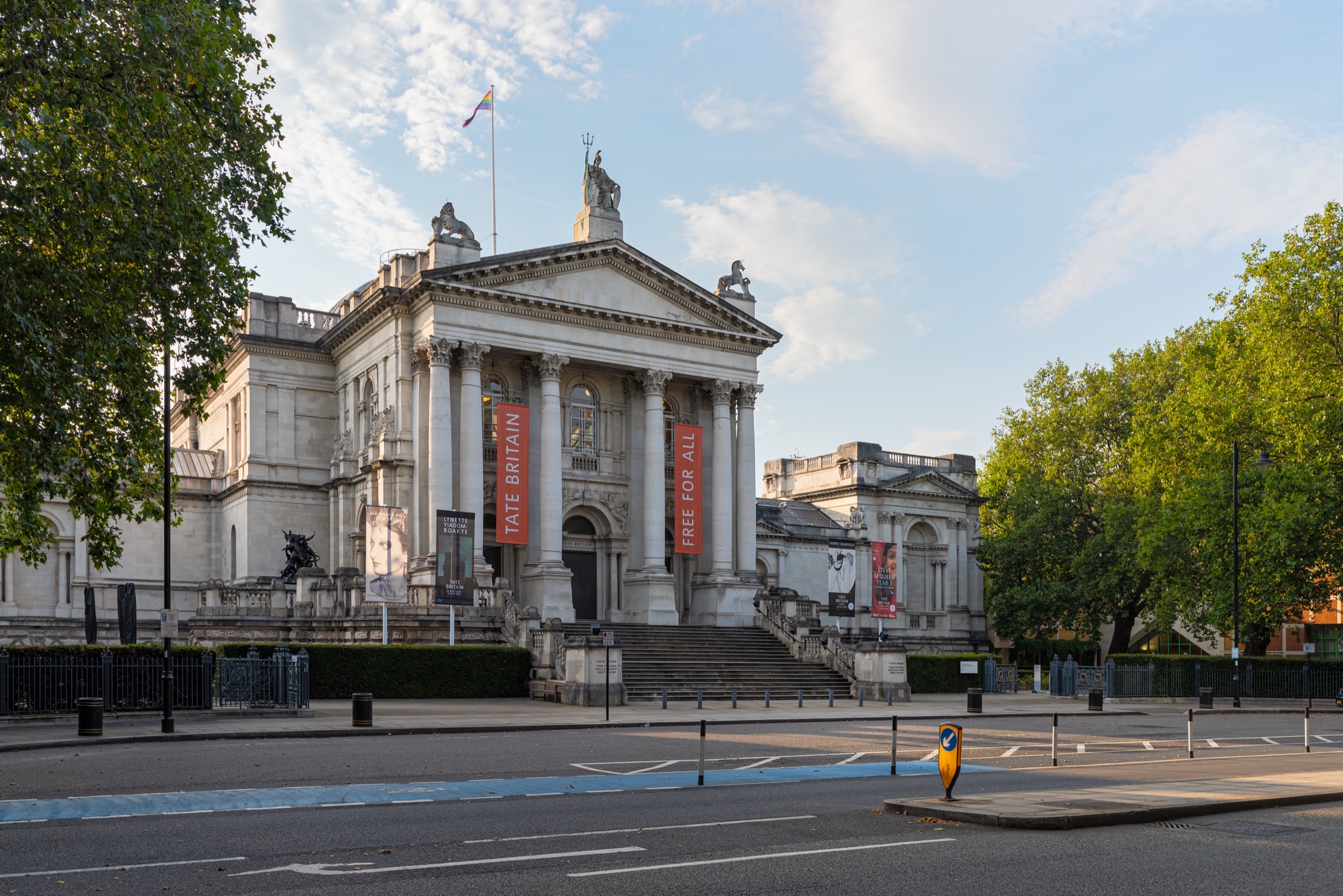
Tate Britain, Millbank. Photo: Julian Herzog, CC BY 4.0, via Wikimedia Commons.
The 90s exhibition tickets and prices
Tickets cost £22, or £20 for concessions. Tate Members go free and do not need to book; they can simply turn up with their card. Visitors aged 16 to 25 can buy £5 tickets through Tate Collective, which is free to join, and an audio guide is £5 more. Tickets can be booked at tate.org.uk.
The exhibition is open daily from 10am to 6pm, with a Late at Tate Britain until 10pm on Friday 13 November. Relaxed hours, for visitors who prefer a quieter gallery, run from 10am to 11am on the third Wednesday of each month. Tate warns that the exhibition contains strong language, references to drug use and a graphic depiction of a violent death, and that one room has flashing lights. There is step-free access from the Atterbury Street entrance.
What the reviews say
Early reviews are mixed. Several praise the way Enninful pairs fashion with art and his decision to look at the decade through the eyes of women, queer people and people of colour rather than through its familiar myths. The complaints are about scale: one critic felt the show ends just as it gets going, after seven rooms, and another missed a soundtrack in an exhibition about a decade so closely tied to its music.
Next at Tate Britain
Vanessa Bell and Duncan Grant: Inside Bloomsbury opens on 12 November and runs until 11 April 2027, with more than 250 works and a restaging of Grant's studio from Charleston, the Sussex farmhouse the two artists shared. Further ahead, Tate Britain opens its David Hockney exhibition on 7 October 2027.
Owning work from the 1990s
Much of what is on these walls was made to be reproduced: magazine pages, fashion photographs, editions and posters. The same image can therefore come to market as a print made at the time, a later edition, a signed poster or a page torn from a magazine, and telling those apart is where value is decided. Our guides to Damien Hirst, Sarah Lucas, Chris Ofili, Corinne Day and Yinka Shonibare explain what to look for, as do those to others of the same generation, among them Tracey Emin and Rachel Whiteread.
If you own a work from the period and are thinking of selling, send us photographs for a free valuation. There is no obligation to sell, and we act for you rather than for the saleroom.
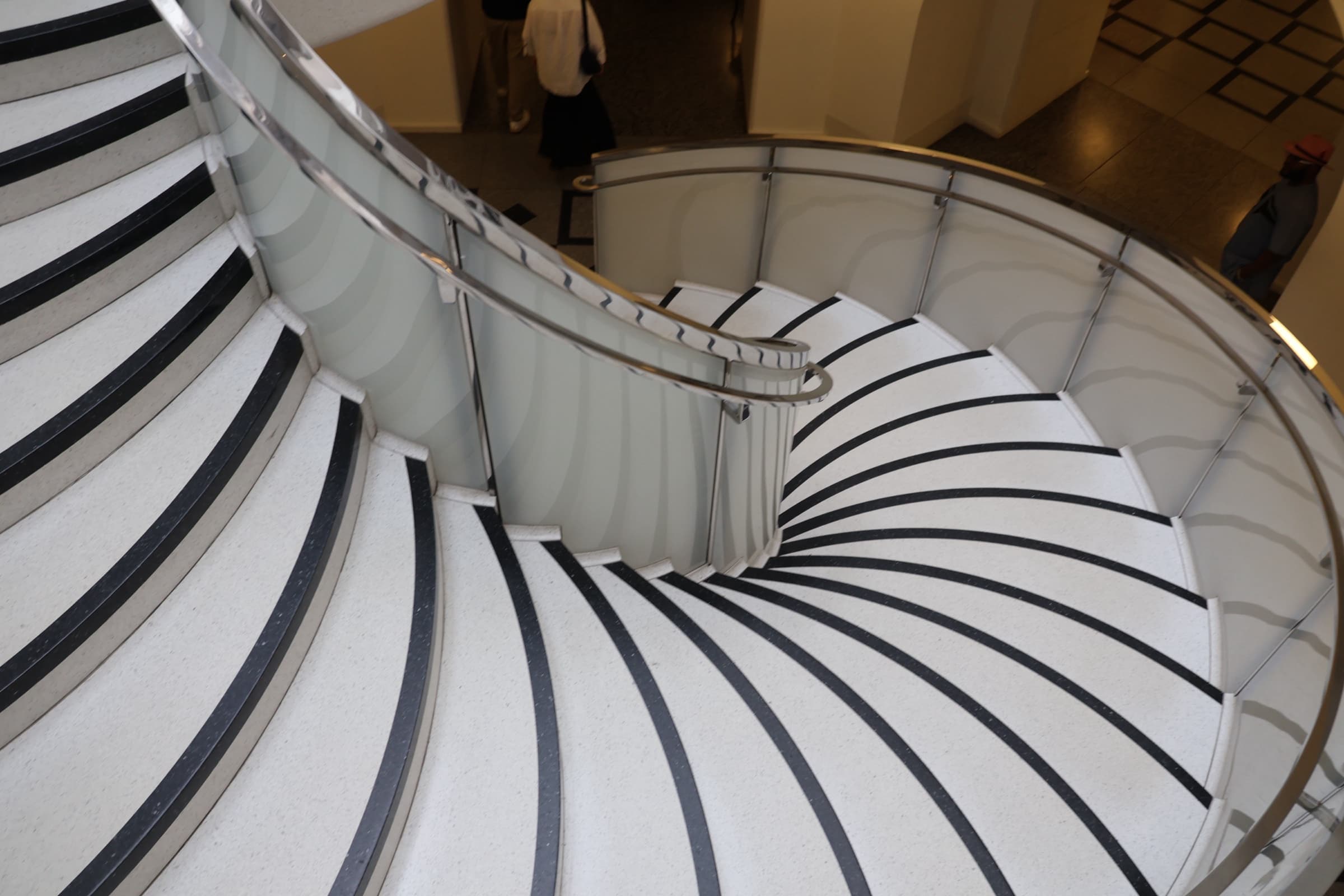
Cover: the spiral staircase at Tate Britain. Photo: DiscoA340, CC BY-SA 4.0, via Wikimedia Commons.
Exhibitions · Photography