

Art movements
A timeline of 21 movements in modern art, from Impressionism in the 1870s to the Young British Artists in the 1990s.
Each movement has its own page: what it was, when and where it happened, how to recognise it, the works that define it, and the artists who belonged to it, every one linked to a page in our A to Z with what a valuation of their work turns on.
Two more areas have pages of their own: street art and African artists.
Art movements timeline
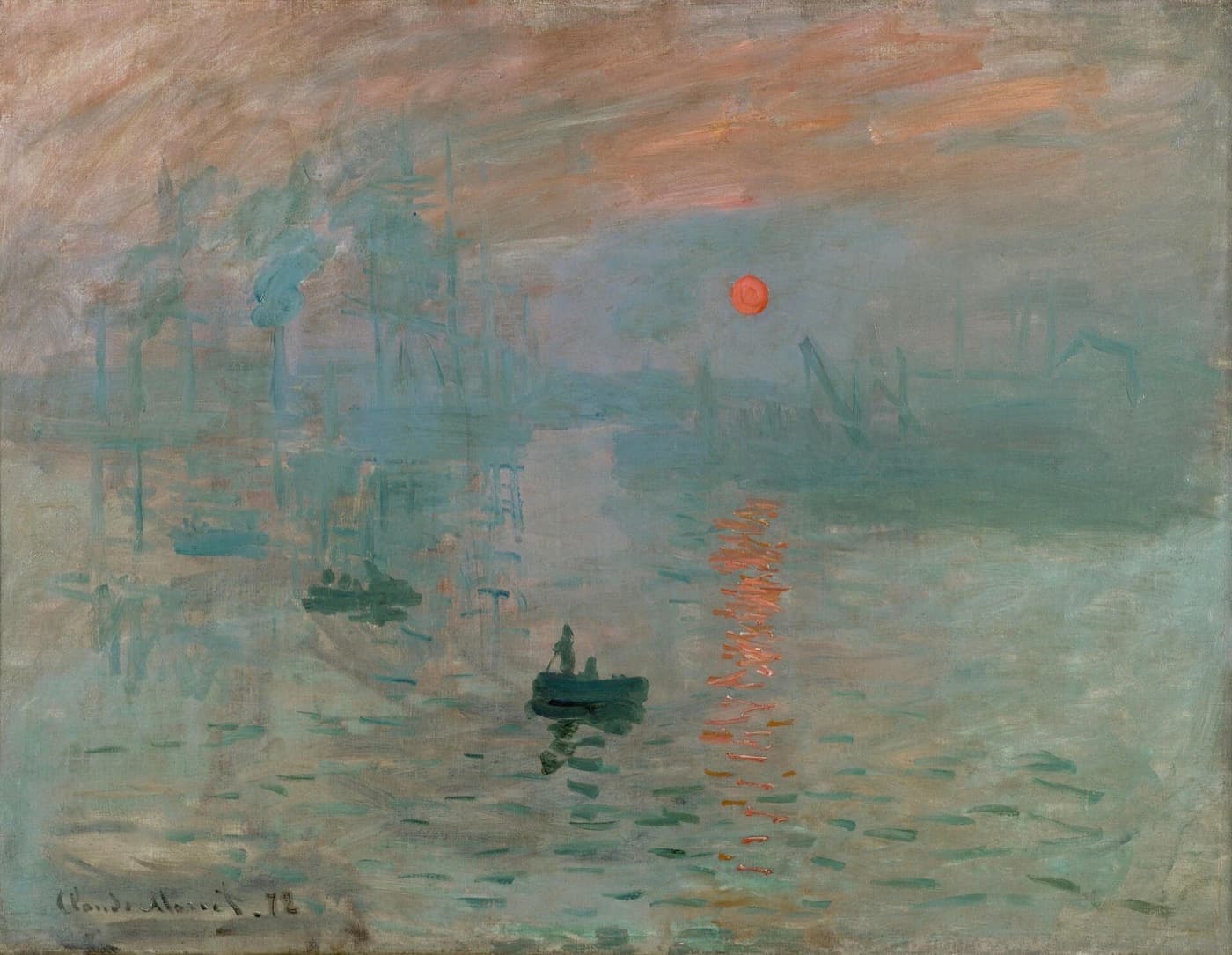
- 1860s to 1886ImpressionismMonet, Renoir, Degas and their circle paint modern life and changing light in quick, broken strokes of colour.Claude Monet, Pierre-Auguste Renoir, Edgar Degas
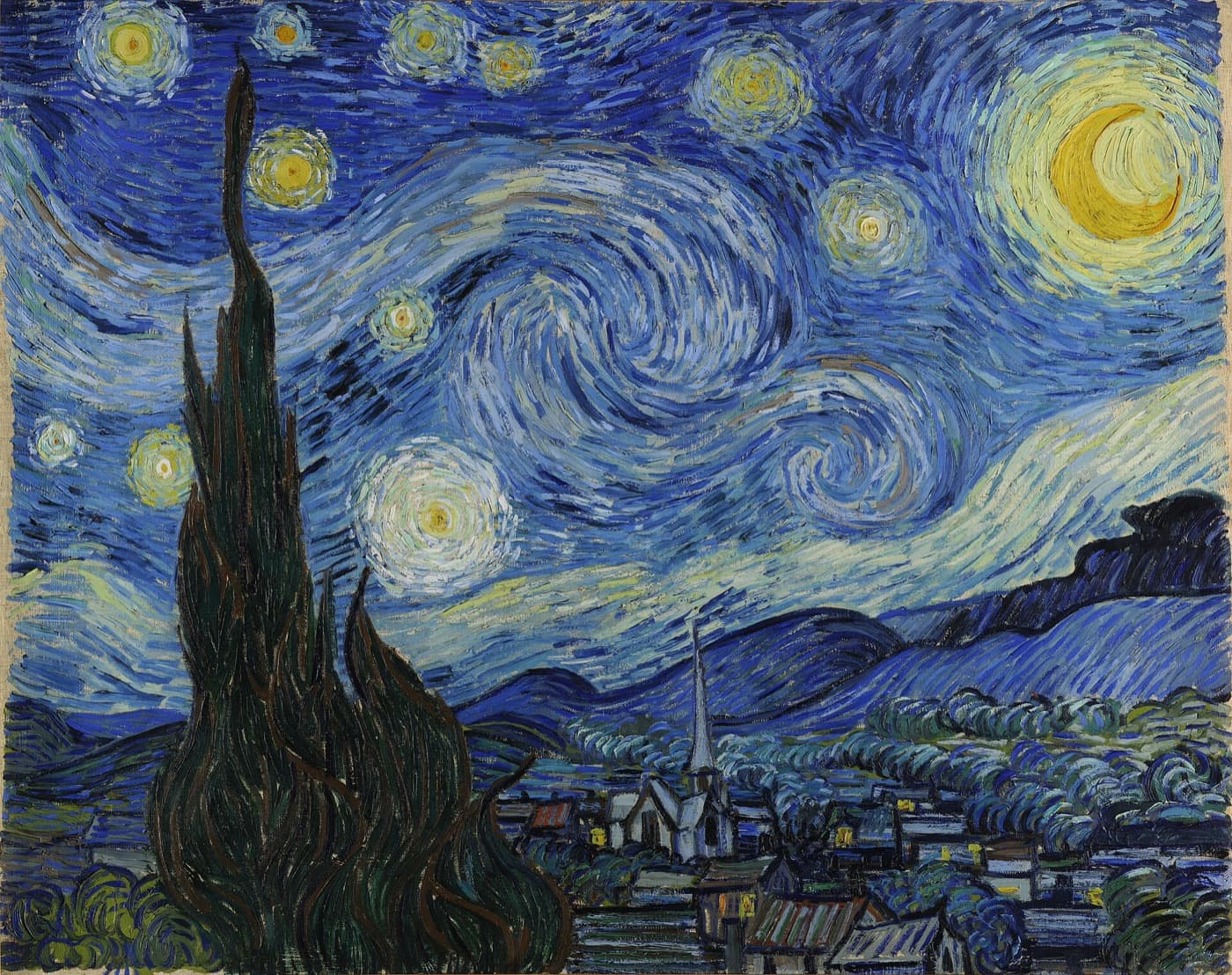
- 1886 to about 1905Post-ImpressionismCézanne, Van Gogh, Gauguin and Seurat push Impressionist colour towards structure, emotion and symbol.Paul Cezanne, Vincent van Gogh, Paul Gauguin
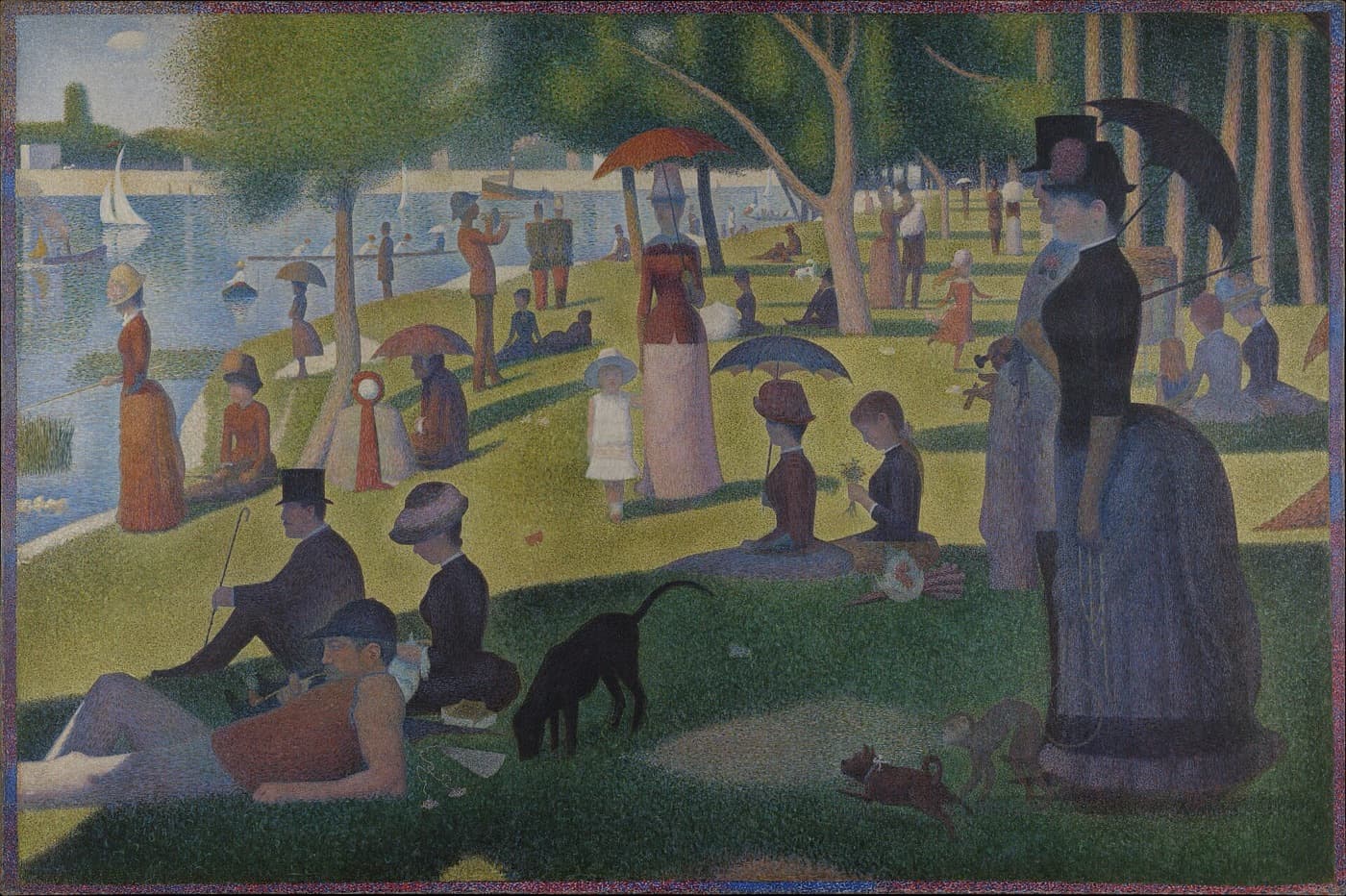
- 1884 to about 1905PointillismSeurat and Signac paint in dots of pure colour that the eye mixes, a method known at the time as Neo-Impressionism.Georges Seurat, Paul Signac, Maximilien Luce
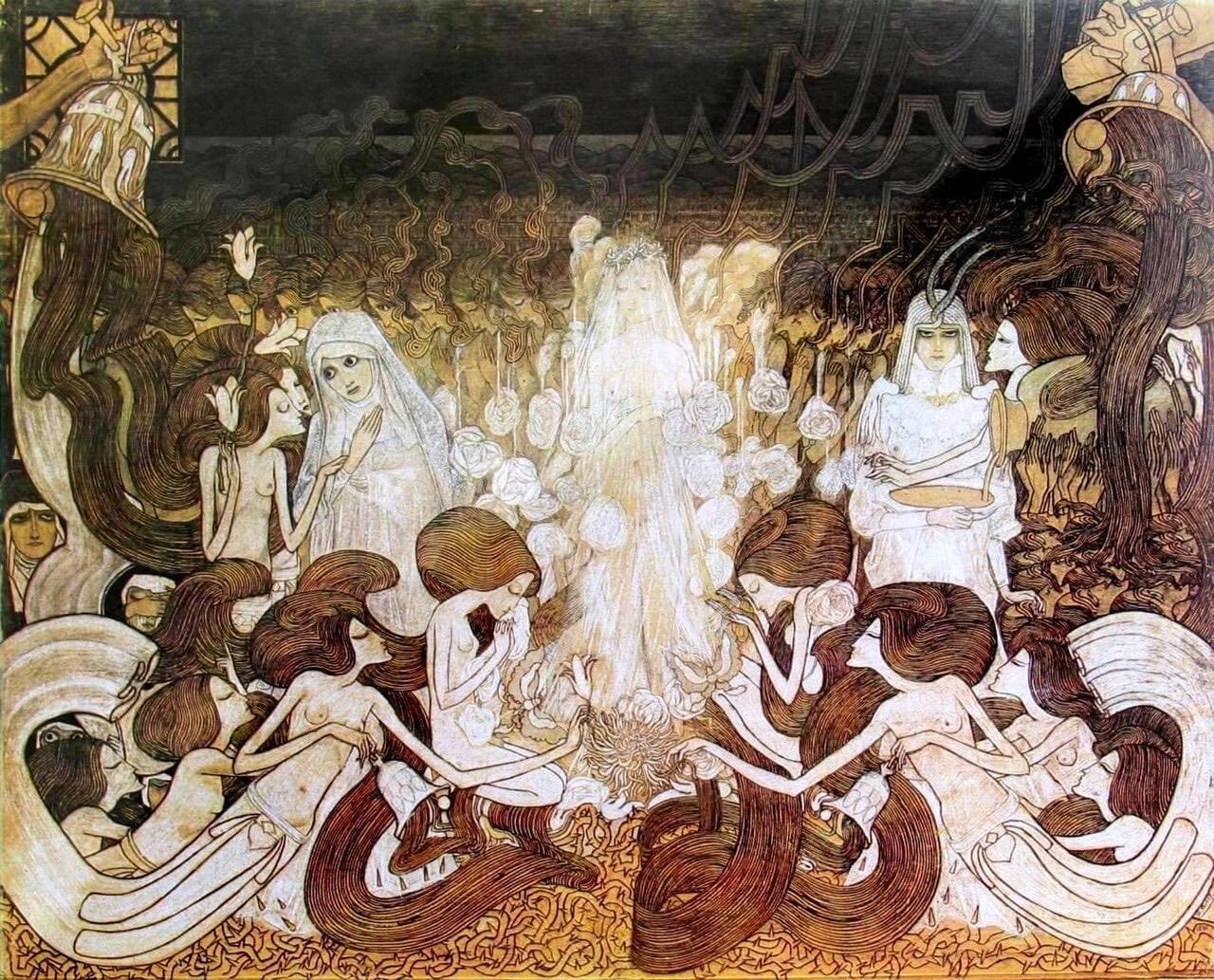
- about 1886 to 1910SymbolismPainters turn from the visible world to dream, myth, desire and mortality, from Paris and Brussels to Oslo and Vienna.Jan Toorop, Edvard Munch, Paul Gauguin
- 1905 to 1908FauvismMatisse and Derain paint in pure, unnatural colour and are called 'wild beasts' at the Salon d'Automne.Henri Matisse, Andre Derain, Maurice de Vlaminck
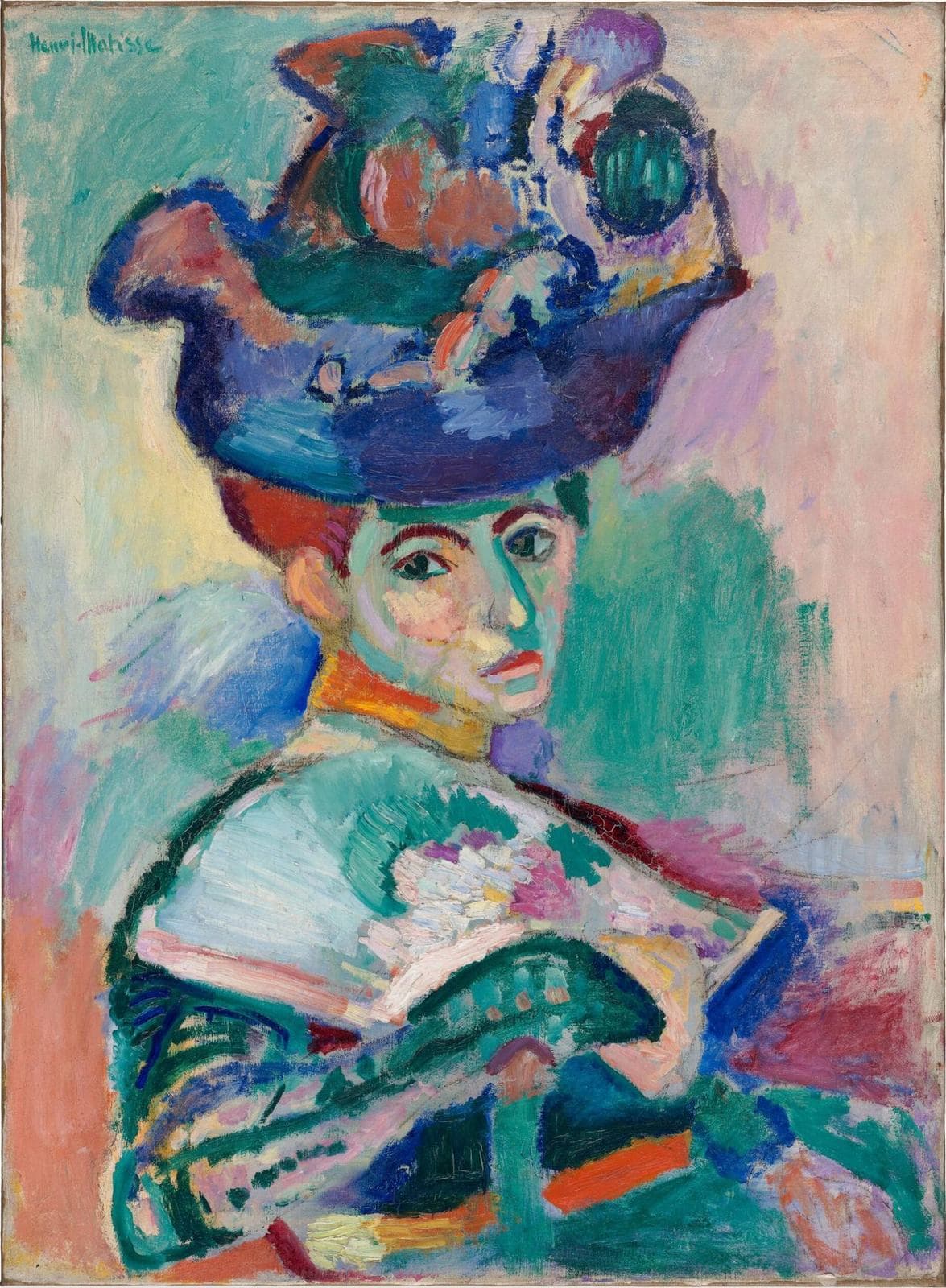
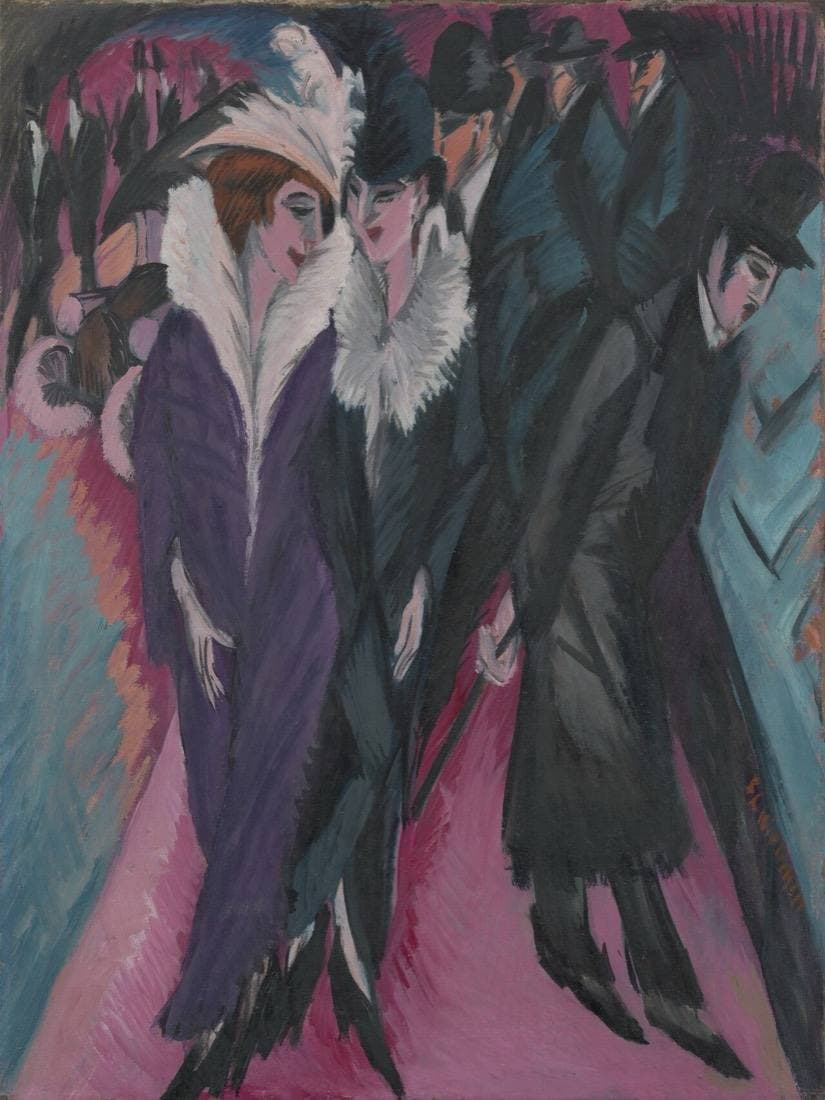
- 1905 to the 1920sExpressionismDie Brücke in Dresden and Der Blaue Reiter in Munich distort form and colour to express emotion.Ernst Ludwig Kirchner, Erich Heckel, Karl Schmidt-Rottluff
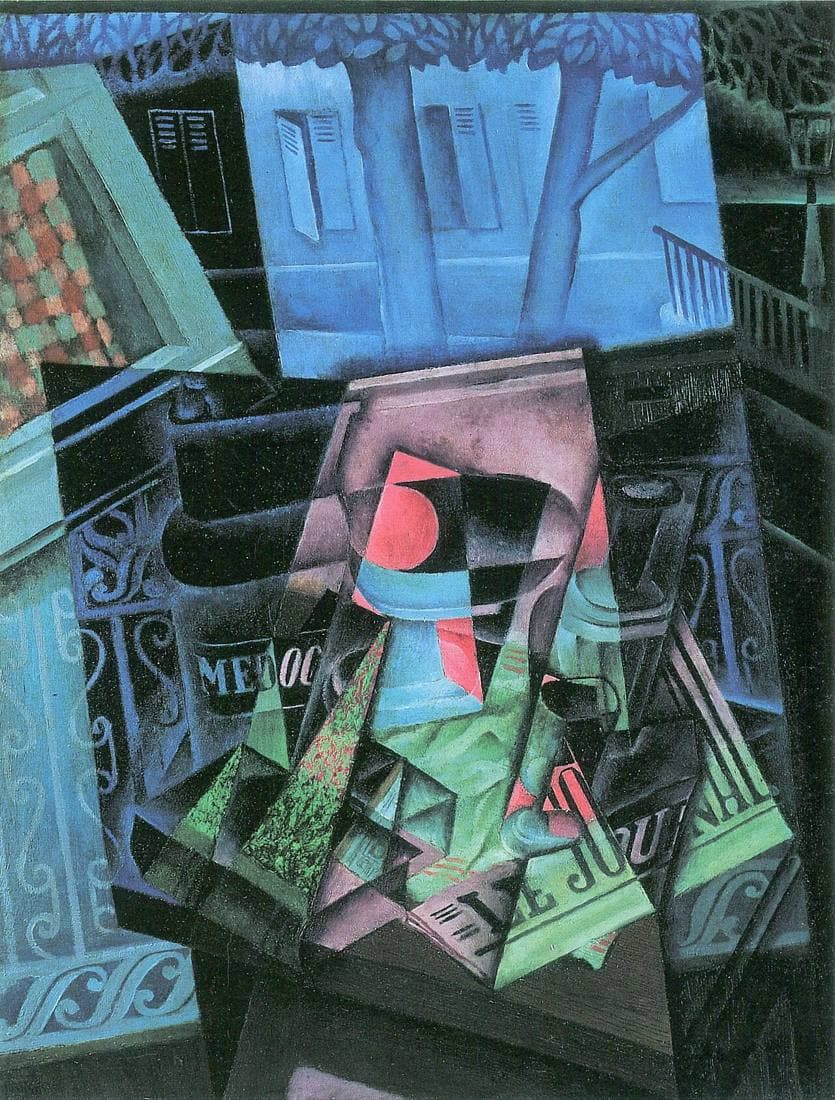
- 1907 to the 1920sCubismPicasso and Braque break objects into planes and show them from several viewpoints at once.Pablo Picasso, Georges Braque, Juan Gris
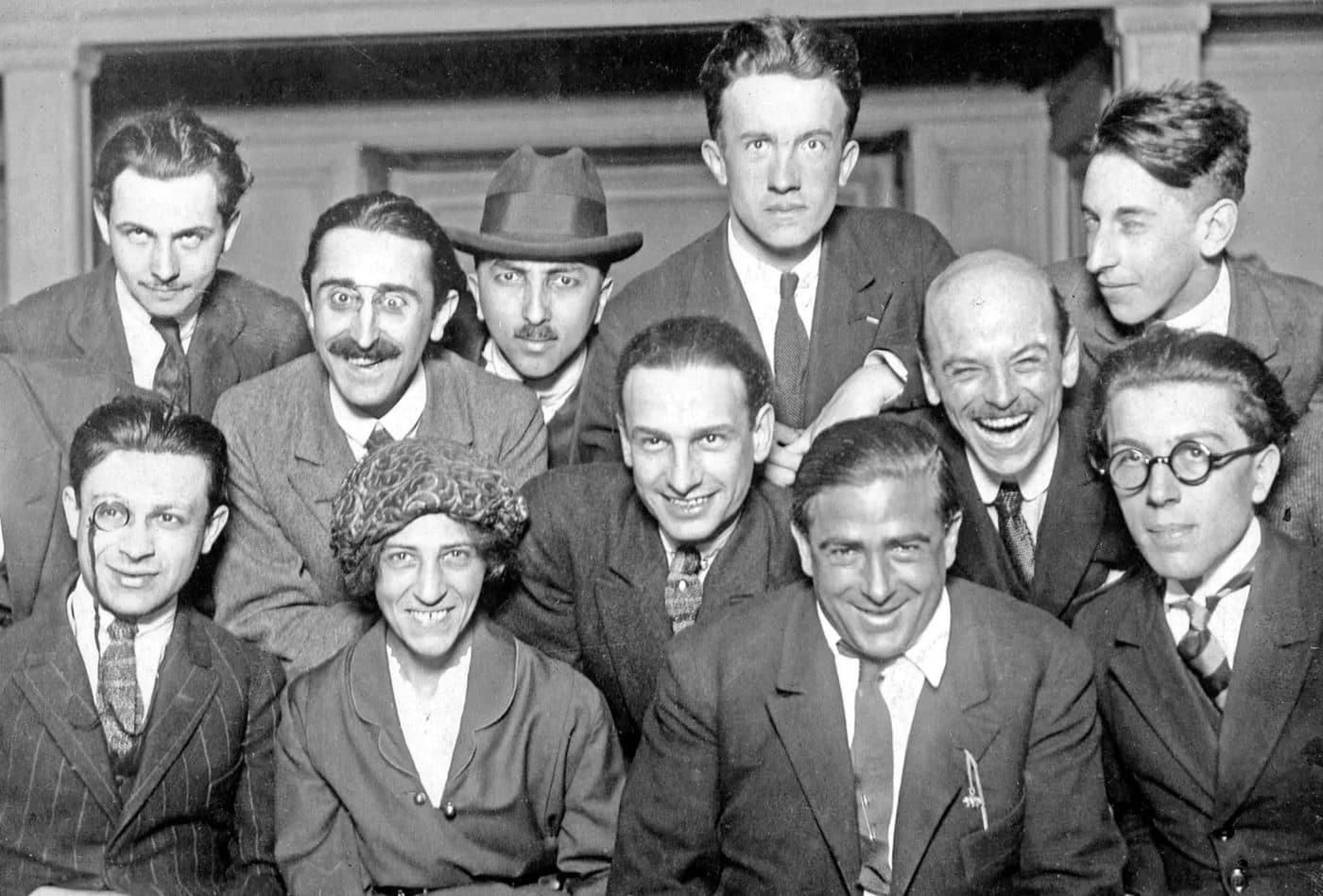
- 1916 to about 1924DadaArtists in revolt against the First World War use chance, collage and the readymade to mock art itself.Jean Arp, Francis Picabia, Man Ray
- 1919 to 1933BauhausWalter Gropius's school in Weimar and Dessau unites art, craft and industrial design.Wassily Kandinsky, Paul Klee, Lyonel Feininger
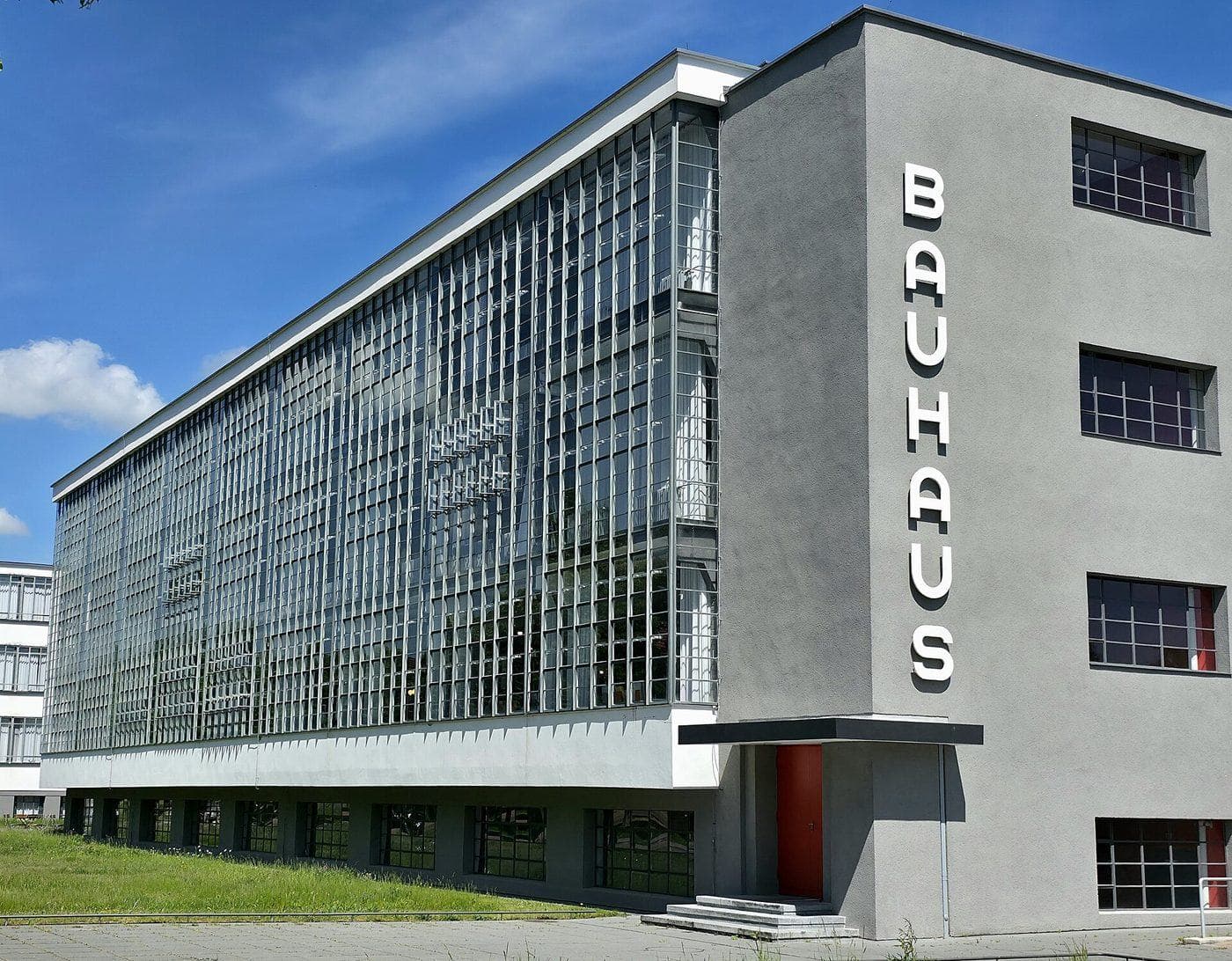
- 1924 to the 1960sSurrealismAndré Breton's movement of dream and the unconscious, from Dalí and Magritte to Ernst, Miró and Carrington.Salvador Dali, Rene Magritte, Max Ernst
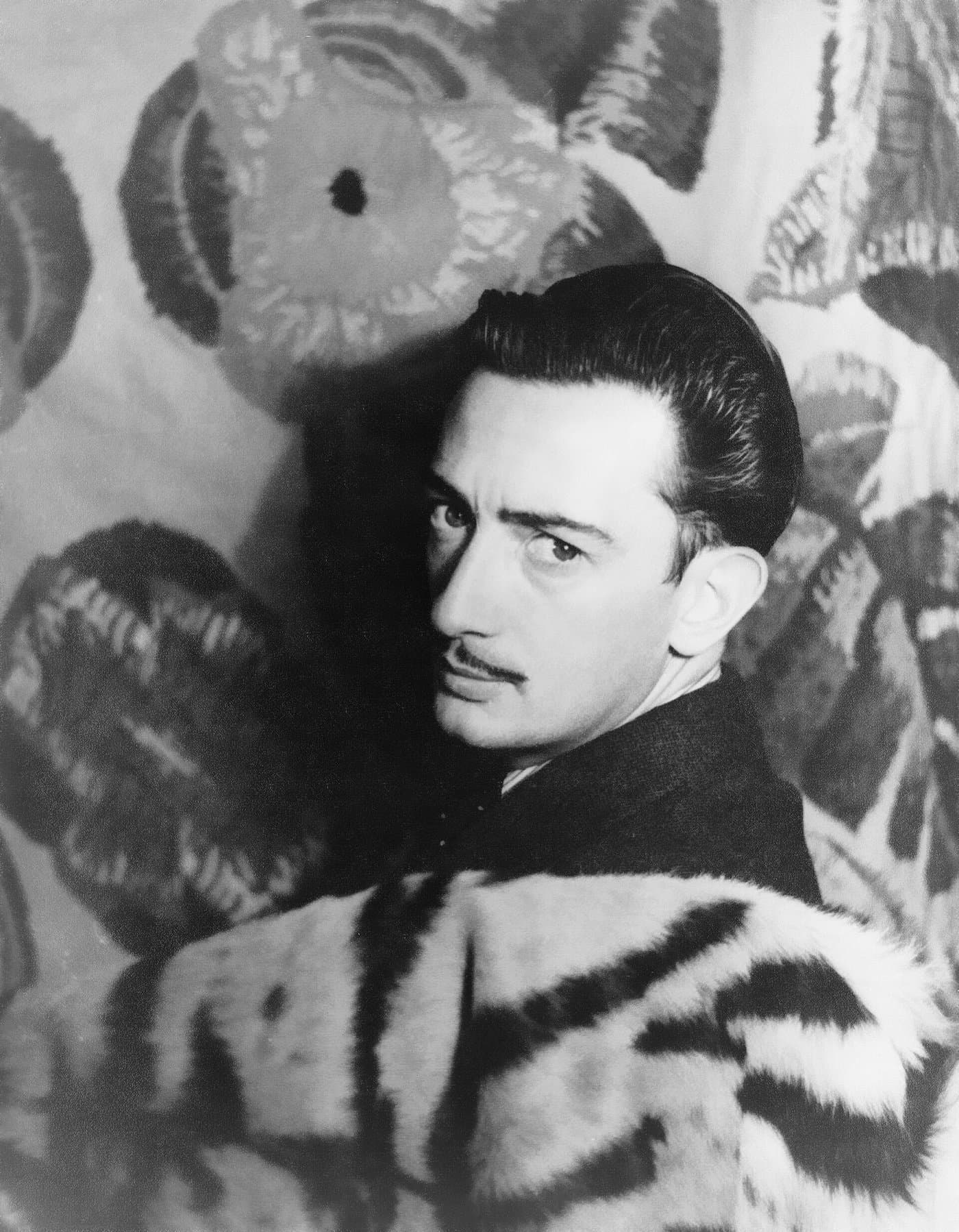
- 1928 to the 1960sSt Ives SchoolBen Nicholson and Barbara Hepworth, then Lanyon, Heron, Frost and Hilton, make a Cornish town a centre of abstract art.Ben Nicholson, Barbara Hepworth, Christopher Wood
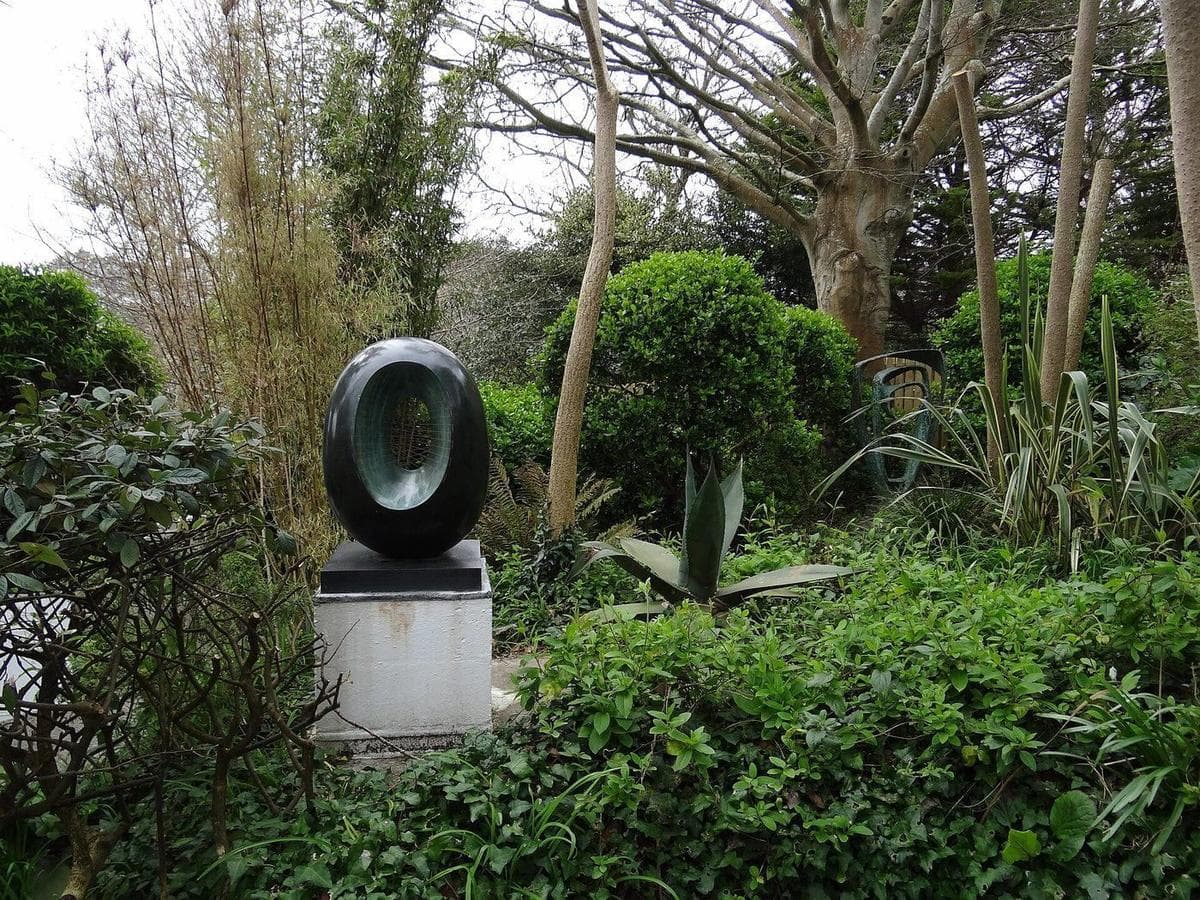
- 1940s to 1950sAbstract ExpressionismPollock, de Kooning and Rothko make New York the centre of the art world with huge, gestural or colour-filled canvases.Jackson Pollock, Willem de Kooning, Franz Kline
- 1945 to the 1960sArt InformelEurope's answer to Abstract Expressionism: gestural, textured abstraction in Paris, with Tachisme and Lyrical Abstraction.Hans Hartung, Pierre Soulages, Georges Mathieu
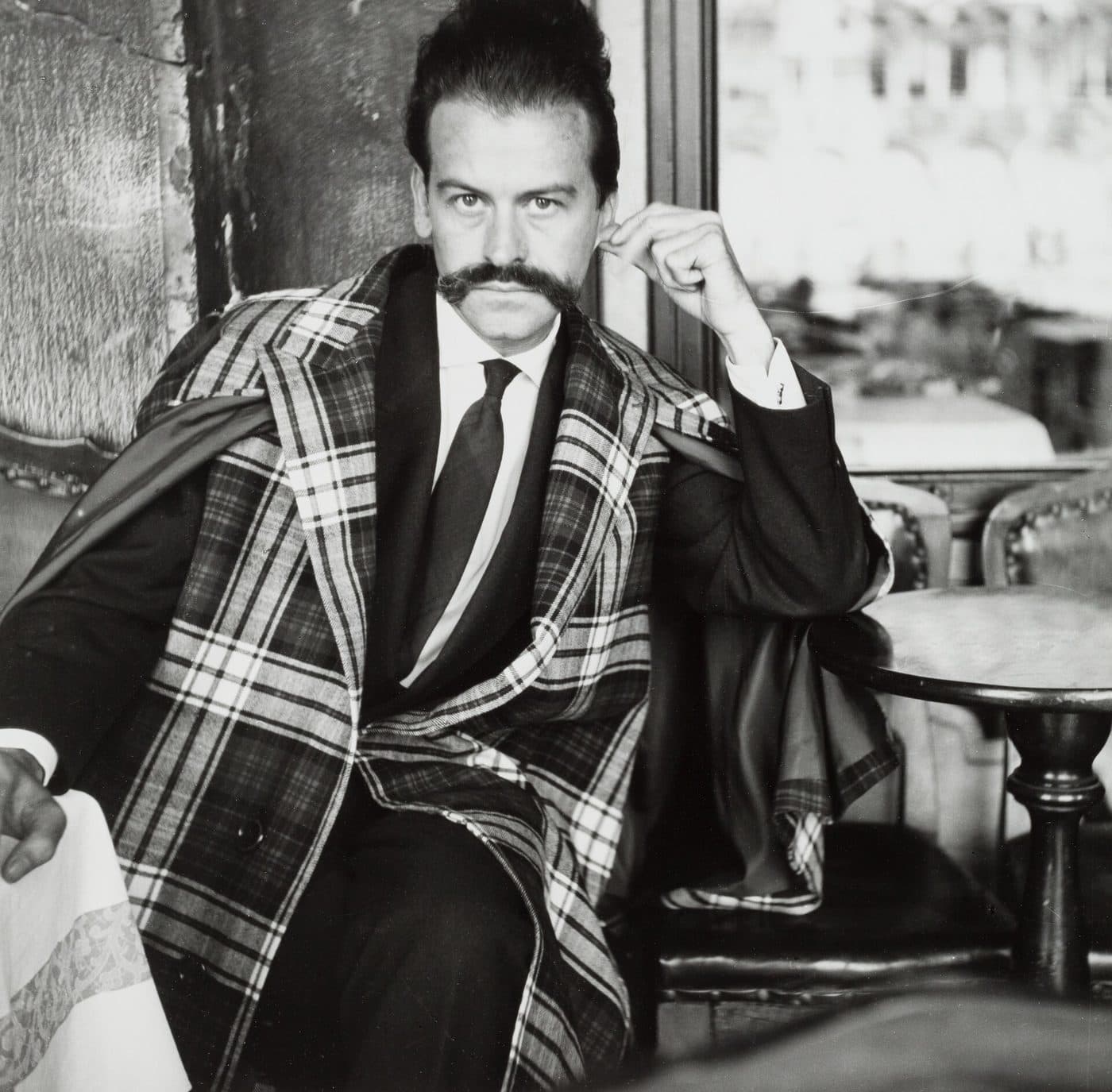
- 1940s to 1970sNigerian modernismBen Enwonwu and the Zaria Art Society join Nigerian traditions to modern art around independence in 1960.Ben Enwonwu, Bruce Onobrakpeya, Yusuf Grillo
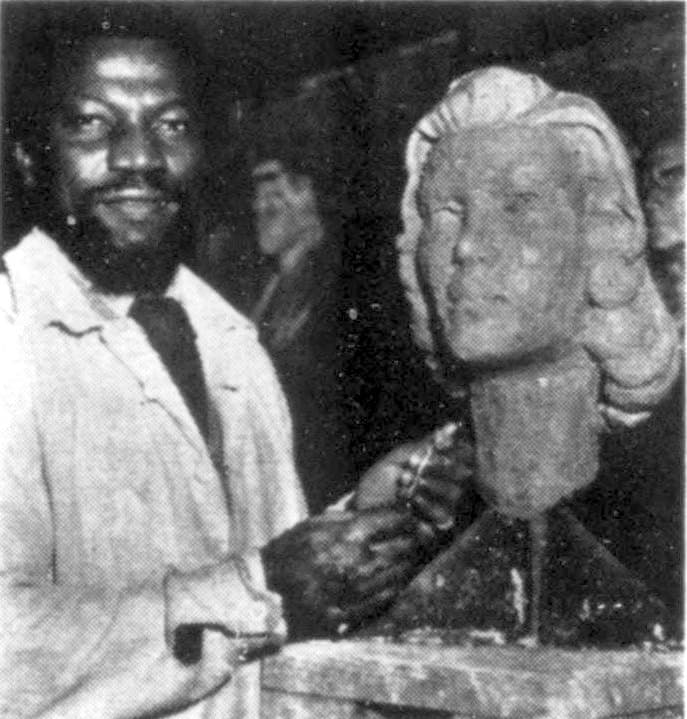
- late 1940s to 1960sColour field paintingRothko and Newman, then Frankenthaler, Louis and Noland, make paintings of large, flat or stained areas of colour.Mark Rothko, Barnett Newman, Clyfford Still
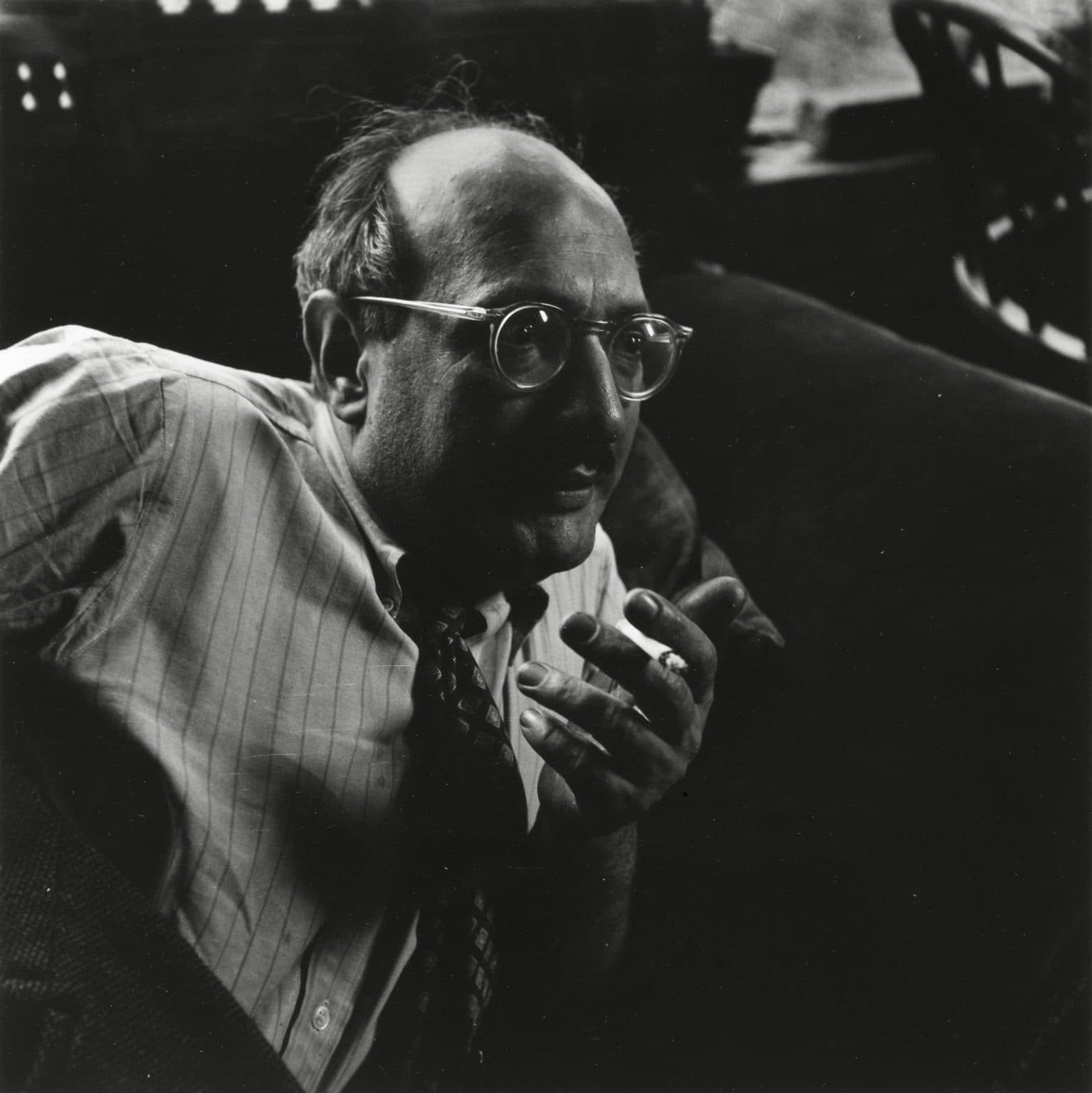
- mid-1950s to early 1970sPop artArtists in London and New York take their subjects from advertising, comics and celebrity, and their methods from mass production.Richard Hamilton, Eduardo Paolozzi, Peter Blake
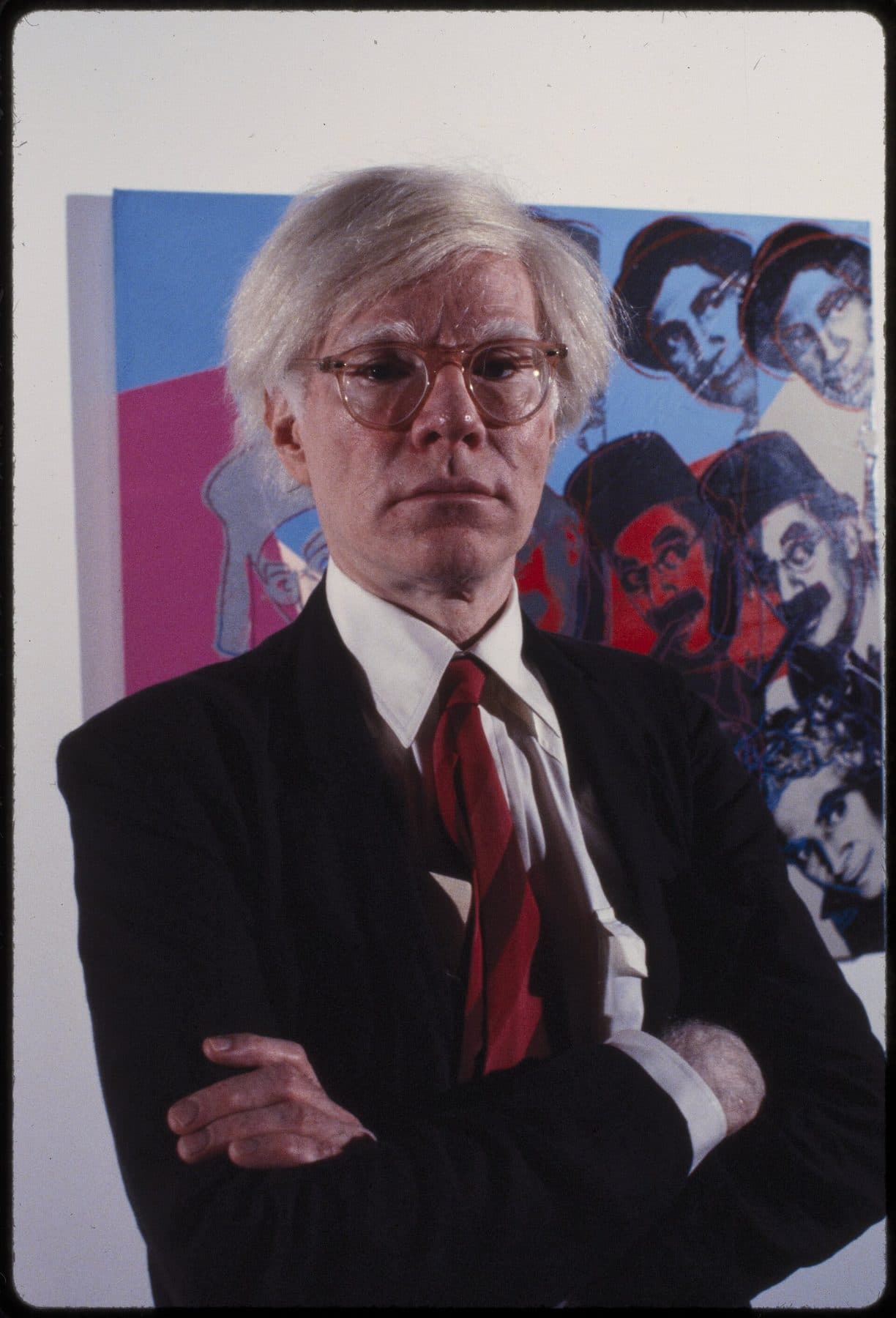
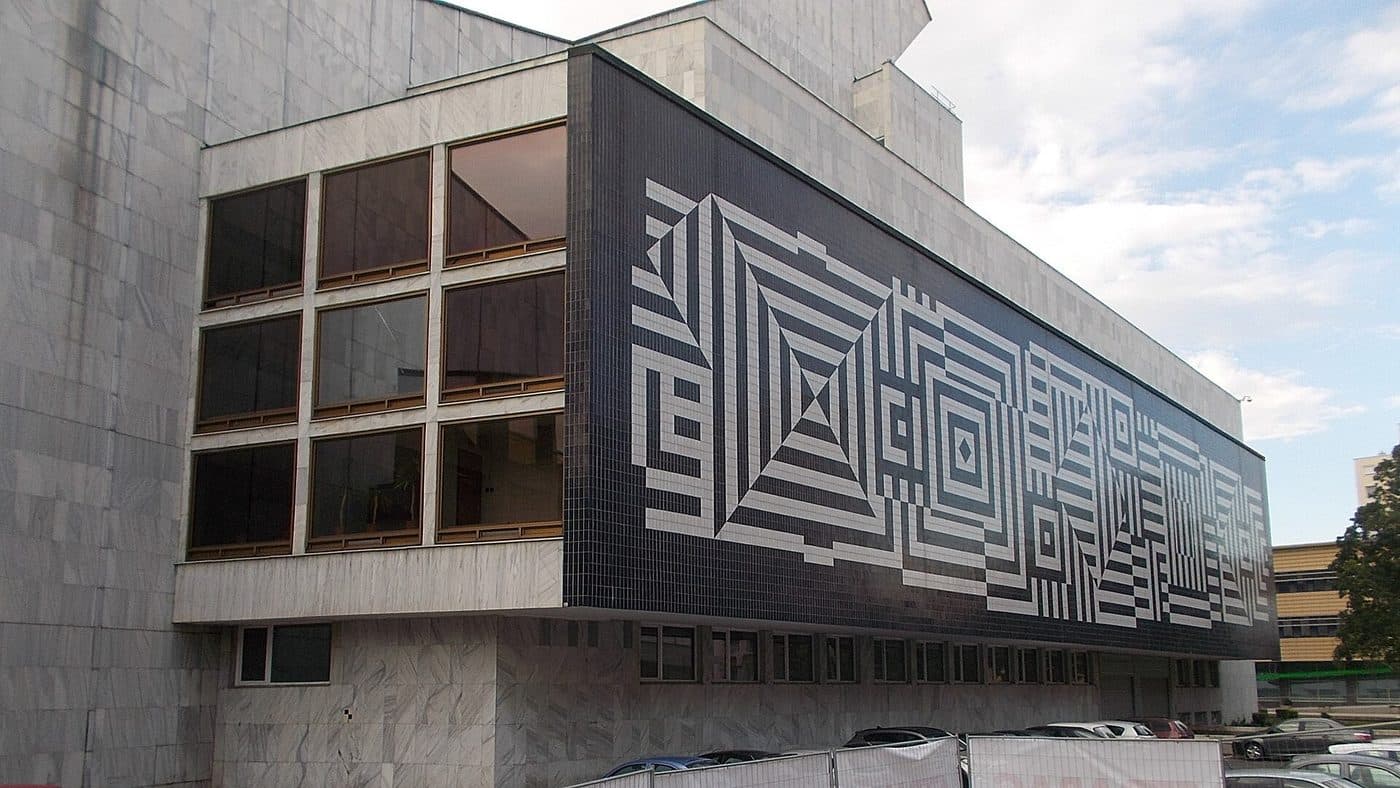
- 1950s to 1970sOp artBridget Riley and Victor Vasarely use pattern and contrast to make flat surfaces seem to move.Bridget Riley, Victor Vasarely, Larry Poons
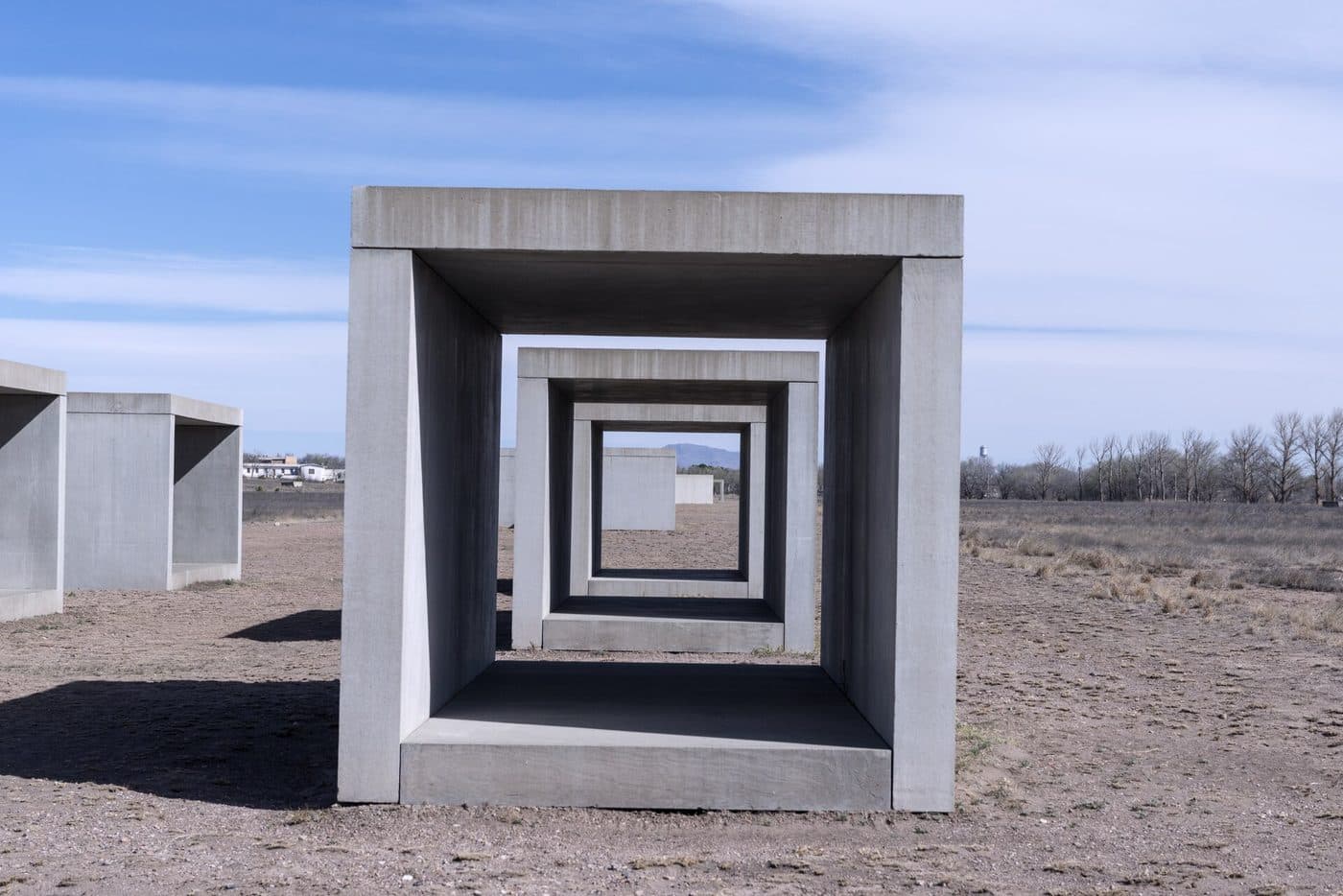
- 1960s to 1970sMinimalismJudd, Flavin, LeWitt and Stella reduce art to simple geometric forms, industrial materials and repetition.Donald Judd, Dan Flavin, Sol LeWitt
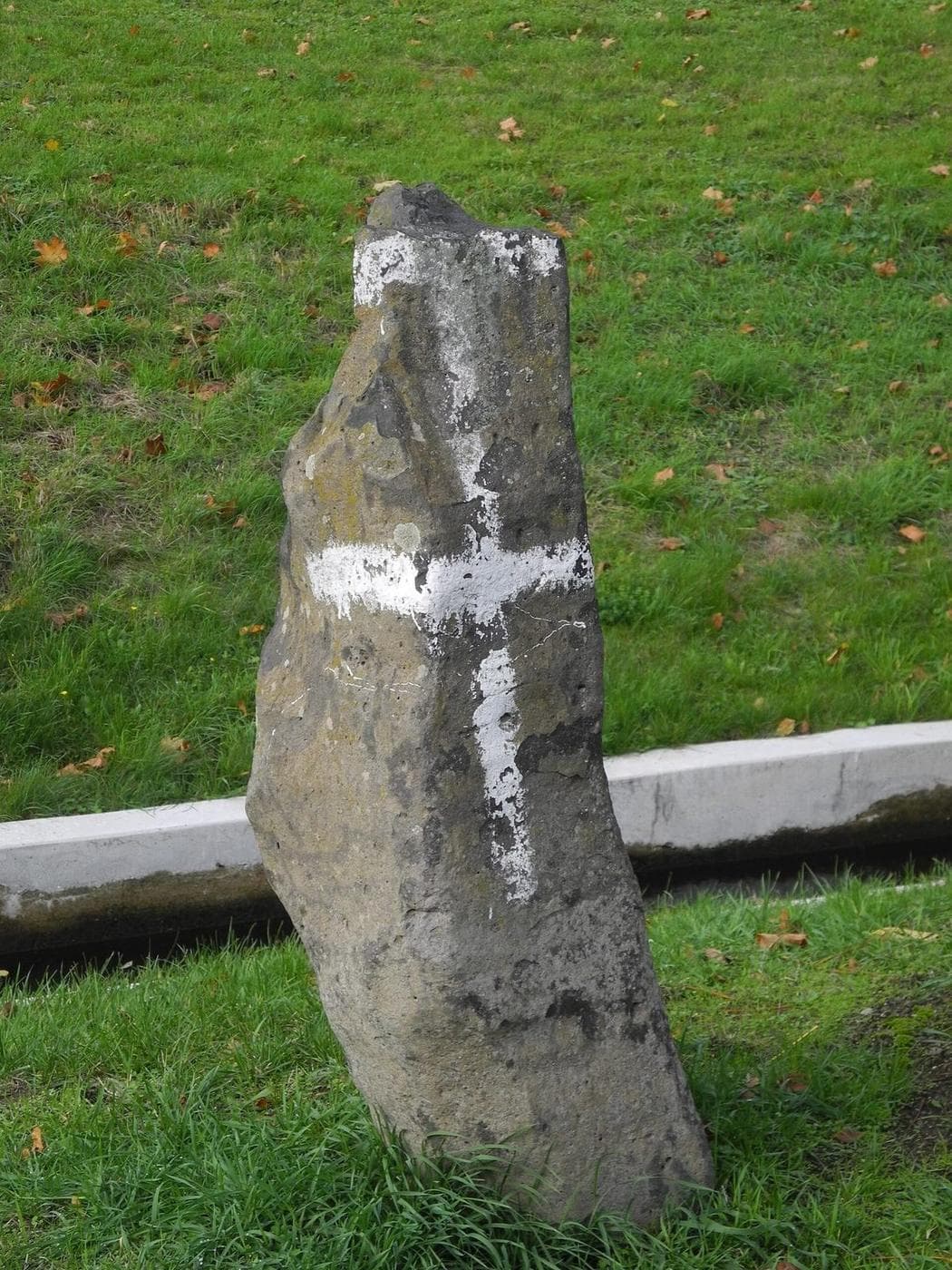
- mid-1960s to the 1970s, and afterConceptual artThe idea becomes the work: instructions, language, photographs and actions in place of the made object.Sol LeWitt, John Baldessari, Joseph Beuys
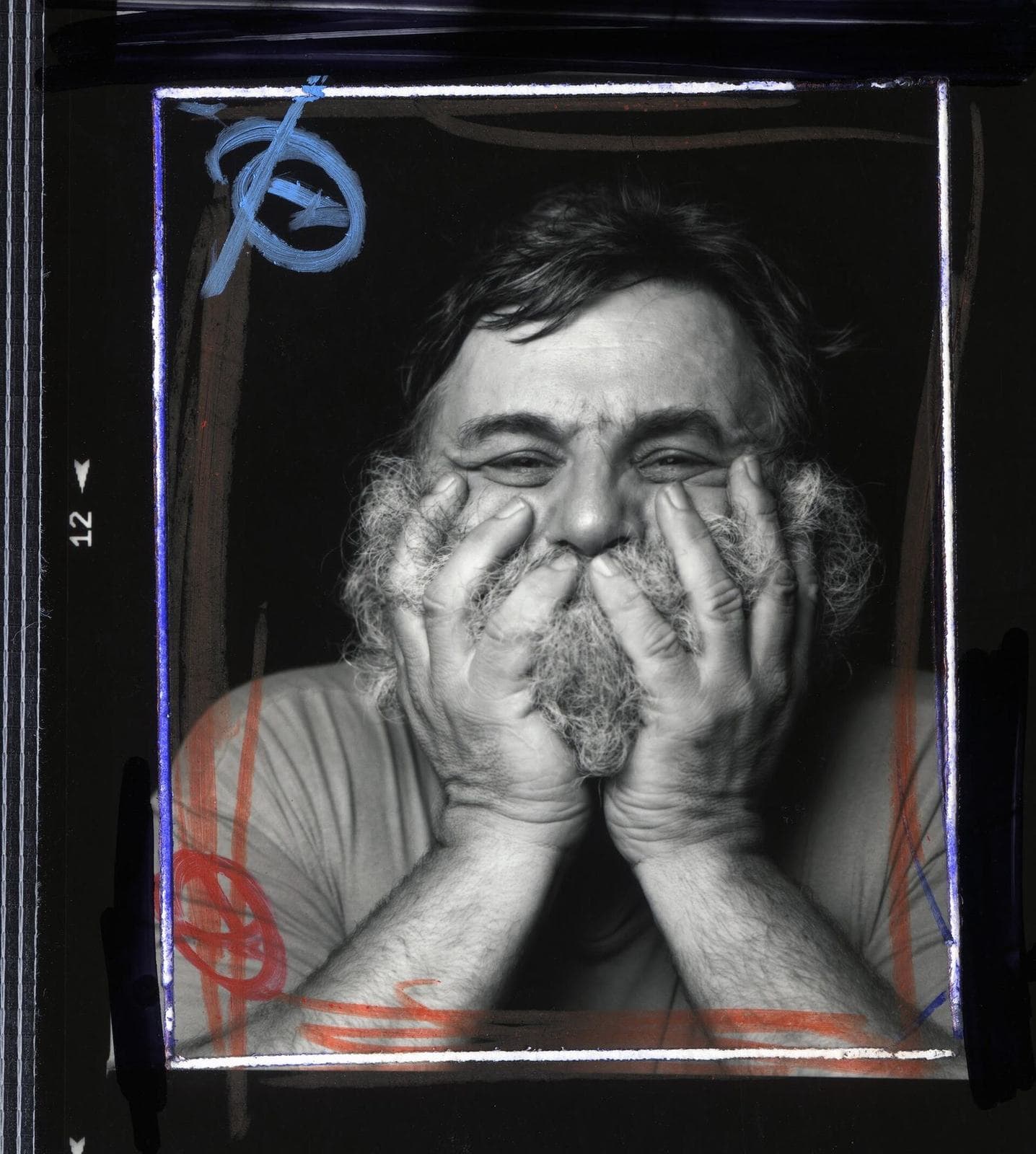
- late 1970s to 1980sNeo-ExpressionismLarge, raw, figurative painting returns, from Baselitz and Kiefer in Germany to Basquiat in New York.Georg Baselitz, A. R. Penck, Anselm Kiefer
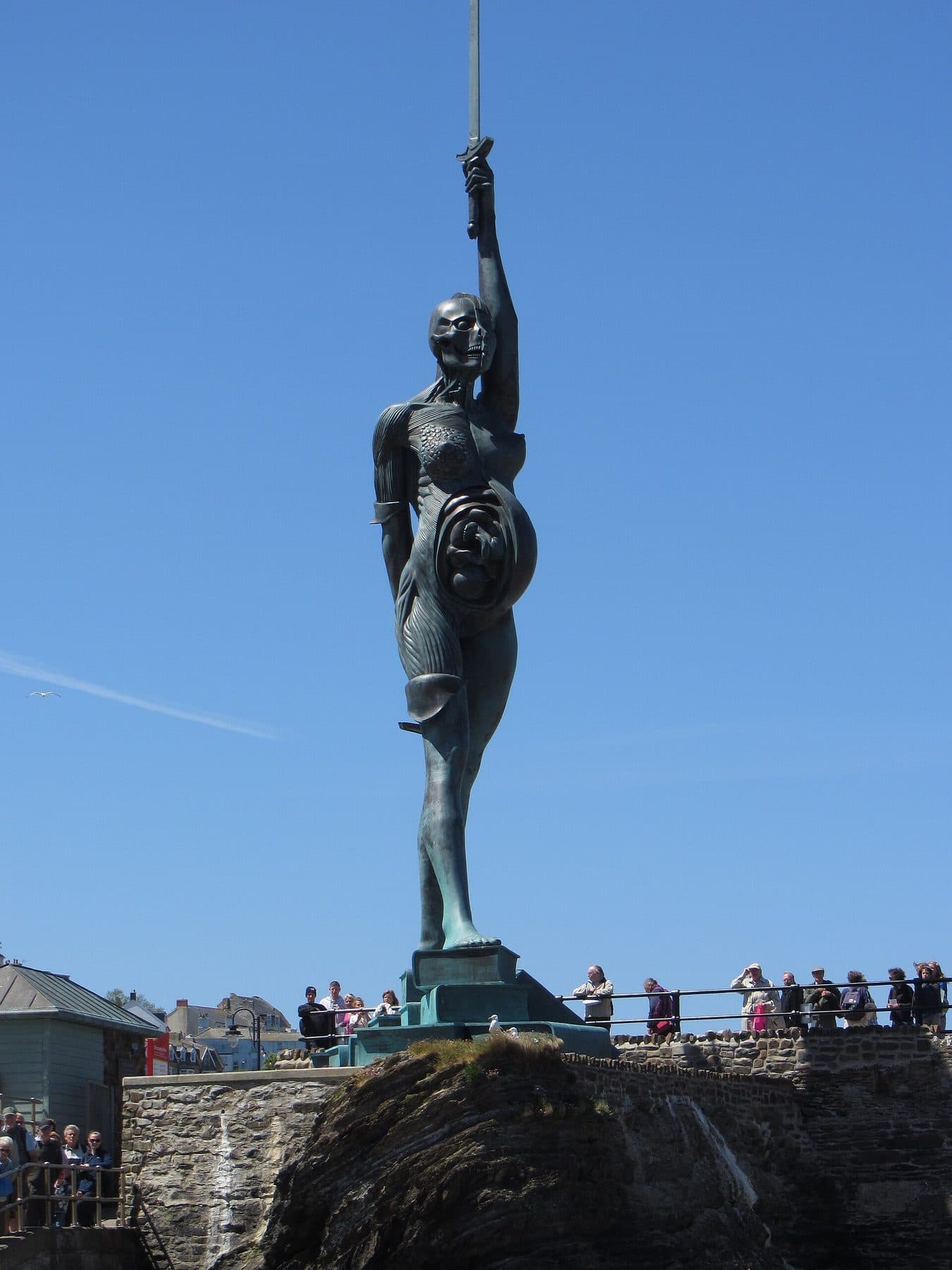
- 1988 to the early 2000sYoung British ArtistsHirst, Emin, Lucas and their Goldsmiths contemporaries take over the London art world with shock and self-promotion.Damien Hirst, Tracey Emin, Sarah Lucas
Common questions
What are the main art movements?
The main movements of modern art are Impressionism, Post-Impressionism, Symbolism, Fauvism, Expressionism, Cubism, Dada, the Bauhaus, Surrealism, Abstract Expressionism, Pop art, Op art, Minimalism and Conceptual art, followed by Neo-Expressionism and, in Britain, the Young British Artists.
What is the order of art movements?
In order: Impressionism (1860s to 1886), Post-Impressionism (1886 to about 1905), Pointillism (1884 to about 1905), Symbolism (about 1886 to 1910), Fauvism (1905 to 1908), Expressionism (1905 to the 1920s), Cubism (1907 to the 1920s), Dada (1916 to about 1924), Bauhaus (1919 to 1933), Surrealism (1924 to the 1960s), St Ives School (1928 to the 1960s), Abstract Expressionism (1940s to 1950s), Art Informel (1945 to the 1960s), Nigerian modernism (1940s to 1970s), Colour field painting (late 1940s to 1960s), Pop art (mid-1950s to early 1970s), Op art (1950s to 1970s), Minimalism (1960s to 1970s), Conceptual art (mid-1960s to the 1970s, and after), Neo-Expressionism (late 1970s to 1980s), Young British Artists (1988 to the early 2000s).
What was the first modern art movement?
Impressionism is usually counted as the first. The group exhibition in Paris in 1874 broke with the official Salon and with the idea that a painting had to be finished, idealised and tell a story. Some historians start earlier, with Courbet's Realism in the 1850s, or with Manet.
Which art movement does my painting belong to?
If you know the artist, start there: most belong to one or two movements, and the pages here list them. If the work is unsigned or the artist unknown, its style, materials and date are the clues, and a valuation from photographs will usually place it.
Not sure which movement it is?
Send photographs of the front, the signature and the back, with any labels or paperwork. Placing a work in its movement and its date is part of every valuation, and the valuation is free, confidential and commits you to nothing.
