
African artists
Modern and contemporary African art: the Nigerian and Ghanaian modernists, painting from South Africa, and the artists now shown around the world.
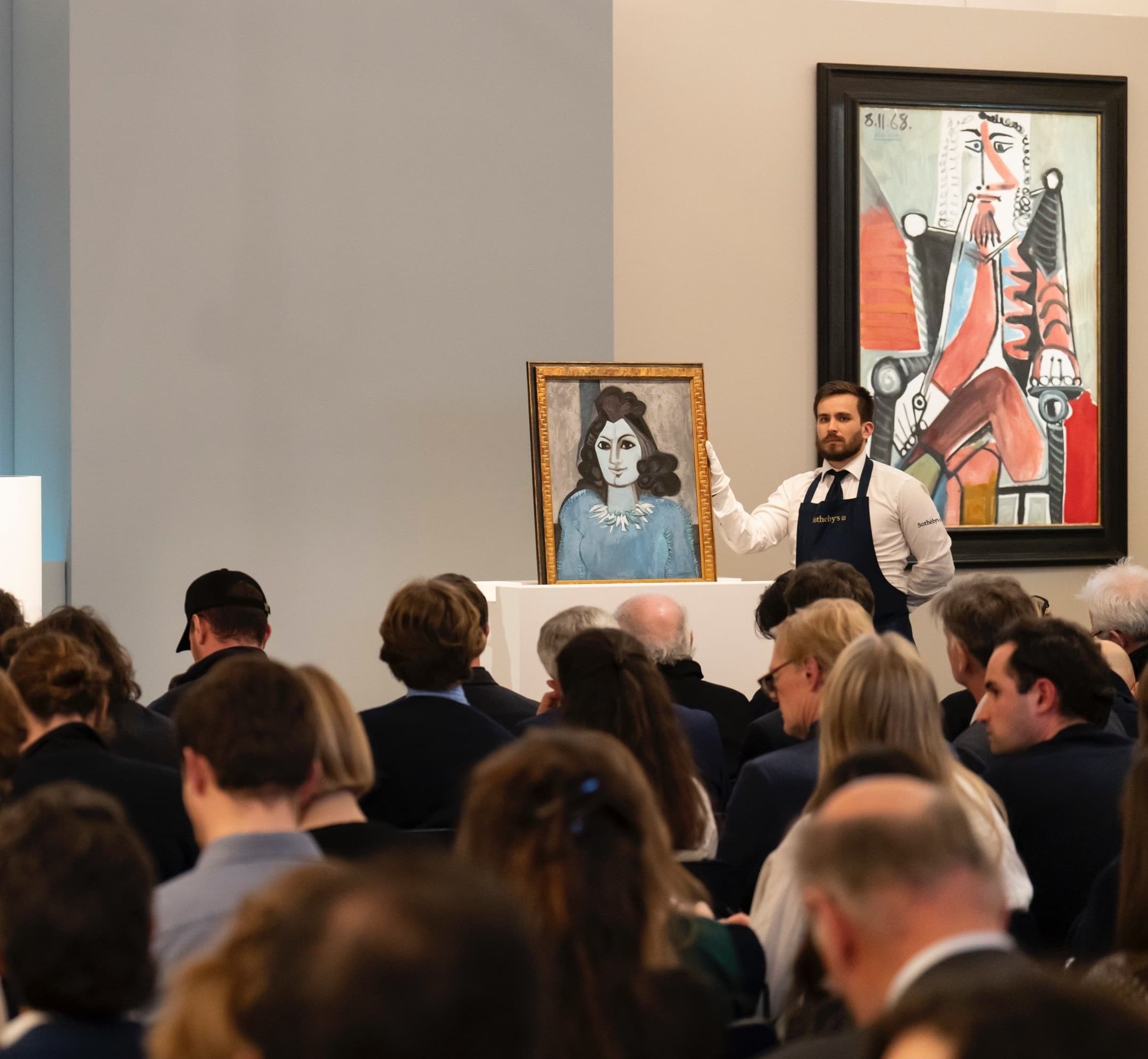
We value and sell modern and contemporary art from across Africa and its diaspora, from mid-century paintings by the Nigerian modernists to work by artists still early in their careers. London is where much of this market meets: the major salerooms hold sales devoted to it, and the 1-54 Contemporary African Art Fair comes to Somerset House every October.
Every artist below has a profile in our A to Z, with a short biography and what a valuation of their work turns on. If the artist you own is not listed, the valuation works the same way, and it is free and confidential.
Nigerian artists
Nigerian modernism, from Ben Enwonwu and the Zaria Art Society, which Tate Modern surveyed from October 2025 to May 2026, to painters working in Lagos, London and Los Angeles today.
- Ben EnwonwuNigeria's pioneering modernist, who sculpted the Queen from life and painted the lost Tutu portraits.
- Bruce OnobrakpeyaNigerian printmaker who invented new ways of printing, from bronzed lino reliefs to plastographs, rooted in Urhobo myth.
- Yusuf GrilloNigerian modernist of elongated figures in luminous blues, and a builder of Nigeria's art institutions.
- Njideka Akunyili CrosbyLayers paint, charcoal and photo transfers of Nigerian life into large interiors that hold two homes at once.
- Toyin Ojih OdutolaDraws richly layered portraits in pen, pastel and charcoal that build fictional worlds, from Nigerian aristocracy to ancient parable.
- Nengi OmukuPaints soft, dreamlike figures and gardens in oil on sanyan, a hand-woven Nigerian cloth.
- Oluwole OmofemiNigerian painter of proud portraits with voluminous natural hair on bold grounds, who painted the Queen for Tatler.
- Arinze StanleySelf-taught Nigerian draughtsman of hyperrealist portraits in pencil and charcoal, each taking hundreds of hours.
- SlawnNigerian-born, London-based, and the youngest artist ever to design the BRIT Award.
Ghanaian artists
From El Anatsui and Ablade Glover to the painters and installation artists trained in Kumasi and Accra.
- El AnatsuiStitches thousands of flattened bottle tops into shimmering metal hangings that fold like cloth.
- Ablade GloverGhanaian painter of crowded markets and townscapes, built from thick palette-knife colour.
- Ibrahim MahamaCovers buildings in stitched jute sacks, turning the material of Ghana's commodity trade into vast installations.
- Amoako BoafoGhanaian painter of portraits whose skin is finger-painted in bold swirls against flat, bright grounds.
- Serge Attukwei ClotteyGhanaian artist who cuts and stitches yellow plastic oil gallons into tapestries he calls Afrogallonism.
- Otis Kwame Kye QuaicoeGhanaian-born painter of Black portraits in textured grey skin tones against richly patterned cloth.
South African artists
From Irma Stern and Gerard Sekoto to William Kentridge, Marlene Dumas and the generation after them.
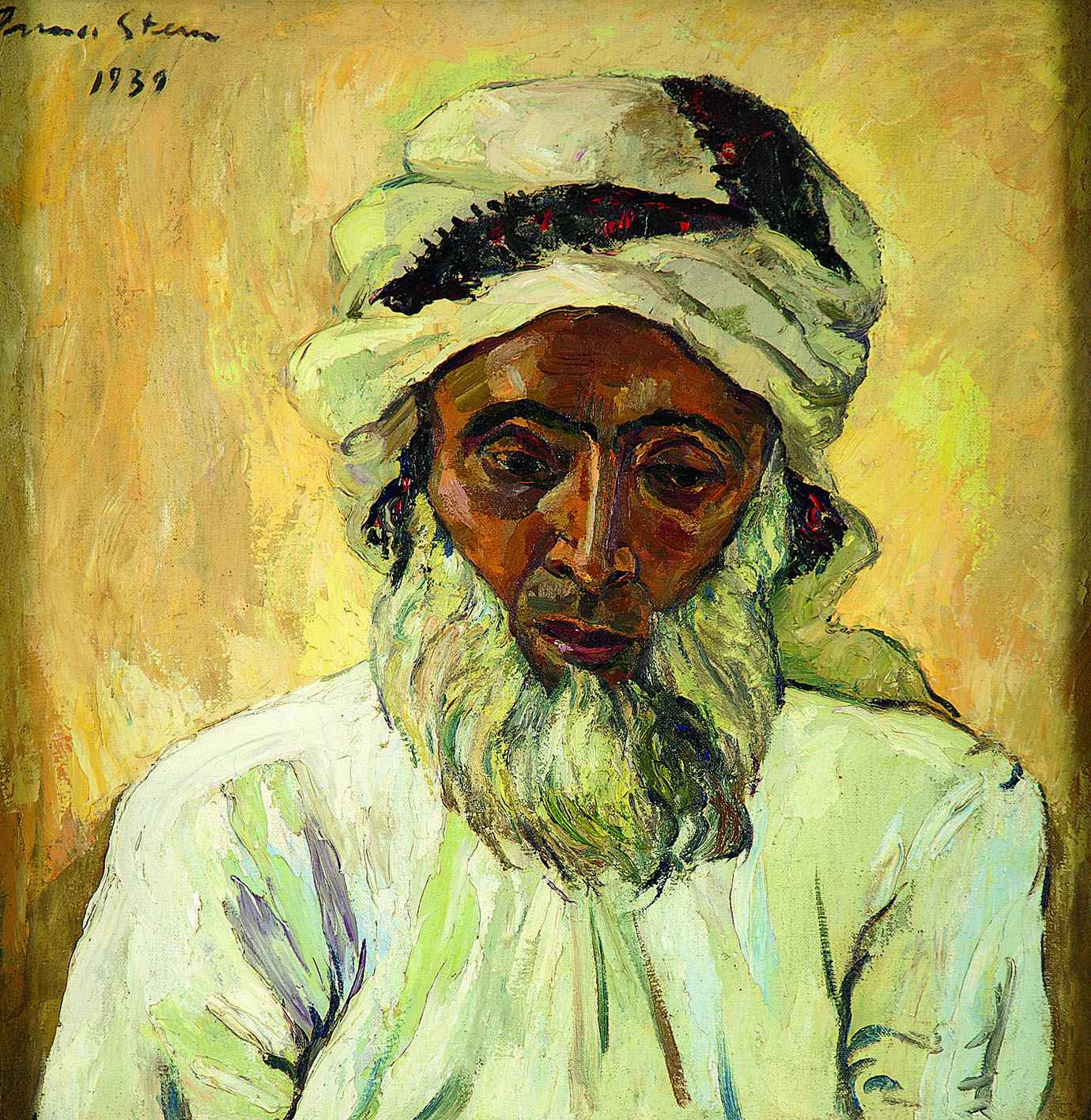
- Irma SternSouth African Expressionist of vivid portraits, still lifes and figures from Zanzibar and the Congo.
- Gerard SekotoPioneer of South African urban painting, of Sophiatown and District Six, who spent his last fifty years in Paris.
- William KentridgeMakes films by drawing in charcoal, photographing, erasing and redrawing the same sheet.
- Marlene DumasPaints faces and bodies from photographs in wet, washed oil and ink, raw with tenderness and threat.
- Zanele MuholiVisual activist, portraitist of Black queer and trans South Africa, and their own most striking subject.
- Cinga SamsonSouth African painter of dark, ceremonious group portraits and self-portraits with blank, pupil-less eyes.
Artists across the continent
Kenya, Ethiopia, Zimbabwe, Côte d'Ivoire, the Democratic Republic of the Congo and Morocco.
- Wangechi MutuMakes collaged and sculpted women, part human, part animal, part machine, from magazines, clay and found materials.
- Michael ArmitagePaints East African politics, myth and daily life on Ugandan bark cloth, in a lush, dreamlike style.
- Julie MehretuArchitectural drawing, weather and history layered until the city underneath disappears.
- Kudzanai-Violet HwamiZimbabwean painter of collaged figures and digital images, exploring sexuality, gender and diaspora.
- AboudiaIvorian painter of crowded, graffiti-scrawled canvases of children and street life in Abidjan.
- Chéri SambaCongolese painter of Kinshasa life, politics and himself, in bright figurative scenes full of text.
- Hassan HajjajPhotographs Moroccan life in a pop register, and frames the prints in tins and bottle crates.
The diaspora: Black British artists
Artists born in Britain to Nigerian, Ghanaian and Liberian parents, collected alongside the artists above.
- Yinka ShonibareDresses headless Victorian figures in Dutch wax fabric to unpick empire, trade and identity.
- Chris OfiliTurner Prize winner whose glittering, resin-layered paintings stood on lumps of elephant dung.
- Lynette Yiadom-BoakyePaints portraits of people who do not exist, quickly, and usually in a single day.
- Tunji Adeniyi-JonesSinuous figures in hot colour, drawn out of Yoruba imagery and Western modernism at once.
- Jadé FadojutimiPaints large, gestural abstractions of colour and memory, fed by Japanese anime, fashion and Victorian design.
- Joy LabinjoPaints Black British family life in big, flat, colourful compositions built from photographs and archives.
- Lina Iris ViktorPaints and photographs herself as a gilded, mythic figure in black and 24-carat gold, tracing Liberia's history.
Common questions
Who are the best-known African artists?
Among the African artists best known internationally are El Anatsui, William Kentridge, Marlene Dumas, Julie Mehretu and Wangechi Mutu, with Ben Enwonwu the leading figure of Nigerian modernism. A younger generation, among them Amoako Boafo, Njideka Akunyili Crosby and Michael Armitage, is now shown and collected worldwide.
What is Nigerian modernism?
The art made in Nigeria from the 1940s, through independence in 1960 and after, by artists such as Ben Enwonwu, Bruce Onobrakpeya, Yusuf Grillo and the Zaria Art Society, who joined Nigerian traditions to modern painting and printmaking. Tate Modern surveyed it in Nigerian Modernism, from October 2025 to May 2026.
Where is modern and contemporary African art sold?
London is a centre of the market: the major salerooms hold sales devoted to modern and contemporary African art, and the 1-54 Contemporary African Art Fair is held at Somerset House each October. Works also change hands privately, through galleries, dealers and advisers.
How do I sell a work by an African artist?
Send photographs of the front, the signature and the back for a free, confidential valuation. We compare a confidential private sale with the salerooms that hold dedicated sales, negotiate the seller's terms, and keep the paperwork in your name until you are paid.
What a valuation turns on
For the modernists, provenance is usually the whole story. Much of the best work left Africa with diplomats, teachers and expatriate collectors who bought in Lagos, Accra or Johannesburg between the 1950s and the 1970s, and it resurfaces decades later with little paperwork. Letters, exhibition labels, an old photograph of the work in a room or a receipt from a gallery can settle what it is. One of Enwonwu’s portraits of Tutu, missing since 1975, was rediscovered in a London flat in 2017.
For contemporary painters, the primary market matters most: which gallery sold the work, when, and on what terms. Some galleries sell with a resale agreement or a right of first refusal, and that needs checking before a work is offered anywhere. Photograph the front, the signature and the back, and keep the invoice with the work.