
Art News ·
Art News: Barbara Hepworth in 2026, Her Sculpture at Auction, Greece and the Lithographs
By Whitebank Fine Art
Barbara Hepworth (1903–1975) is having a big autumn. On 21 October three of her sculptures led Christie's Modern British and Irish Art Evening Sale in London and made more than half of its £23.1 million total. Next month Pallant House Gallery in Chichester opens the first exhibition on her connection with Greece, the country behind several of the works that sold, and behind her best-known prints.
Three sculptures, almost £12 million
The top lot was Sculpture with Colour (Eos), carved in 1946 from a single block of pale Hopton Wood stone and named after the Greek goddess of the dawn. It sold for £6.19 million against an estimate of £5 million to £8 million, reported as an auction record for a unique work by Hepworth. Over the summer it had been lent from a private collection in Hong Kong to Hepworth in Colour at the Courtauld Gallery, the first exhibition devoted to her use of colour.
Figure (Sunion), of 1960, followed at £4.12 million, and Sea Form (Porthmeor), of 1958, at £1.54 million. At Sotheby's the same week, Shaft and Circle made £881,000 against an estimate of £700,000 to £1 million, and only just missed being the top lot of its Modern British sale.
Not every Hepworth rises. In March Solitary Form, a white marble of 1971, sold at Christie's in London for £539,800, less than the $975,000 it had made in New York in 2018.
Barbara Hepworth and Greece
Hepworth travelled through Greece and its islands in 1954 with her friend Margaret Gardiner, and kept a diary of the trip. The light, the landscape and the ancient sites gave her new titles and new forms for years afterwards.
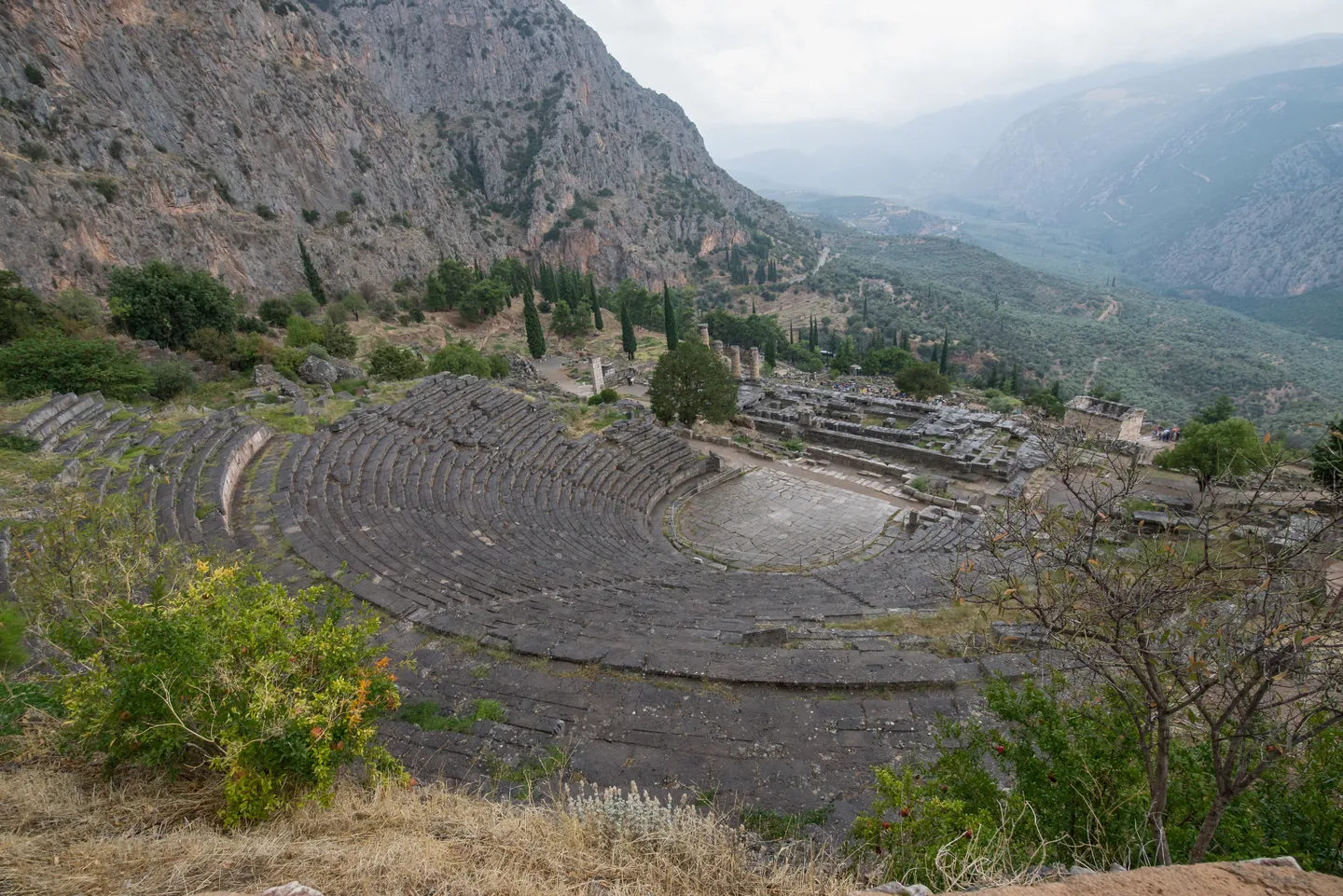
The theatre and the Temple of Apollo at Delphi, September 2015. Photo: HerrAdams, CC BY-SA 4.0, via Wikimedia Commons.
Barbara Hepworth and Greece, at Pallant House Gallery from 21 November to 1 May 2027, sets extracts from that diary beside her sculptures, paintings, drawings and prints. It includes Curved Form (Delphi) of 1955, and Pierced Form (Santorin) of 1963, which goes on public view for the first time. Tickets are £17, or £8.50 with a National Art Pass.
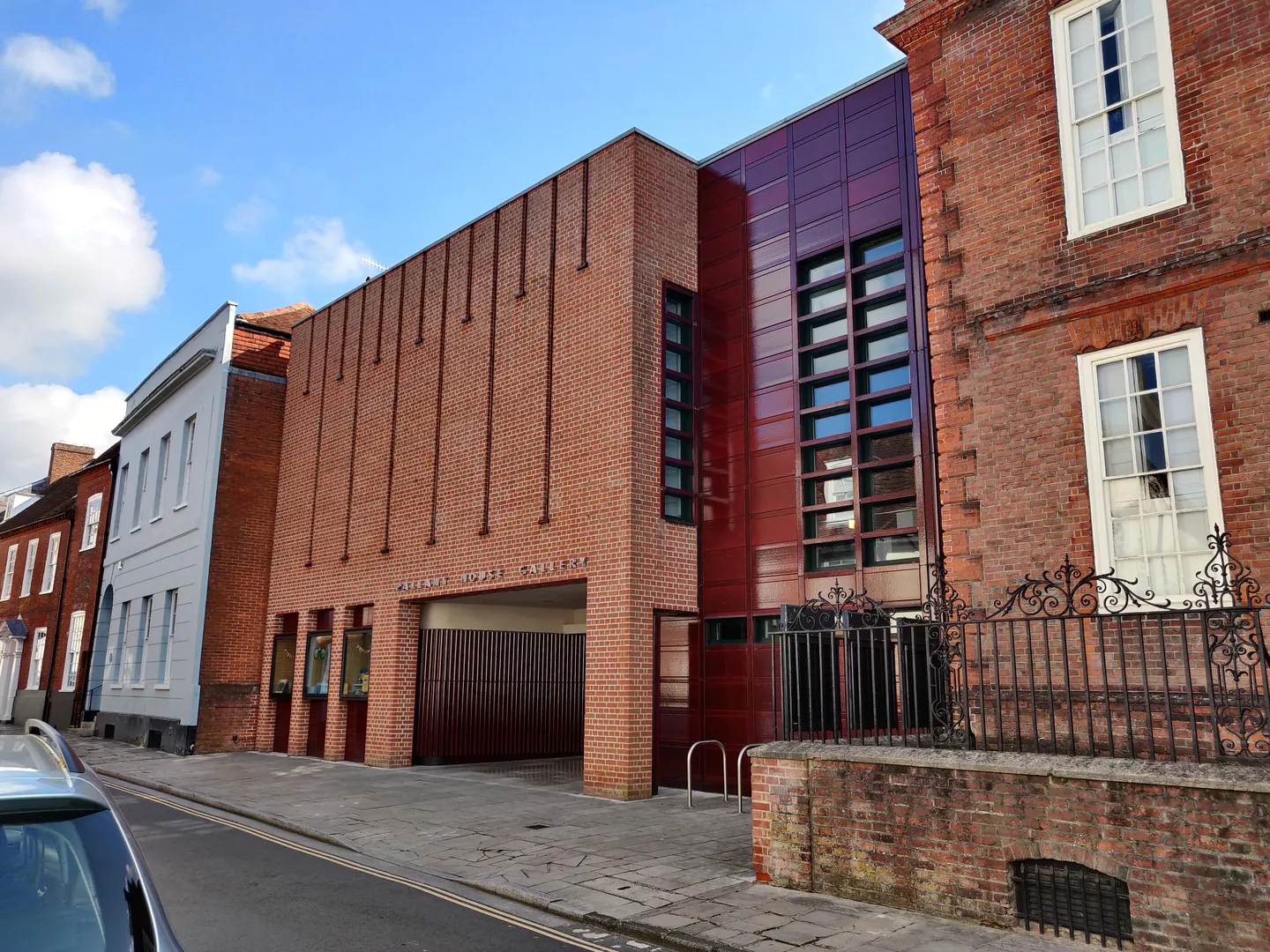
Pallant House Gallery, Chichester, September 2024. Photo: Tim Sheerman-Chase, CC BY 2.0, via Wikimedia Commons.
The lithographs and screenprints
Late in her career Hepworth took up printmaking. In the spring of 1969 she made twelve lithographs with Stanley Jones at the Curwen Studio in London, including Two Marble Forms (Mykonos) and Porthmeor, each in an edition of 60, with 30 further impressions. A few months later Chris Prater of Kelpra Studio printed Opposing Forms, a set of twelve screenprints in an edition of 60, which Marlborough Fine Art published in January 1970.
The Aegean Suite came last. Hepworth began it in St Ives in October 1970 and finished it with Stanley Jones at Curwen in June 1971: nine lithographs that go back to the islands and sites of the 1954 trip, in an edition of 90.
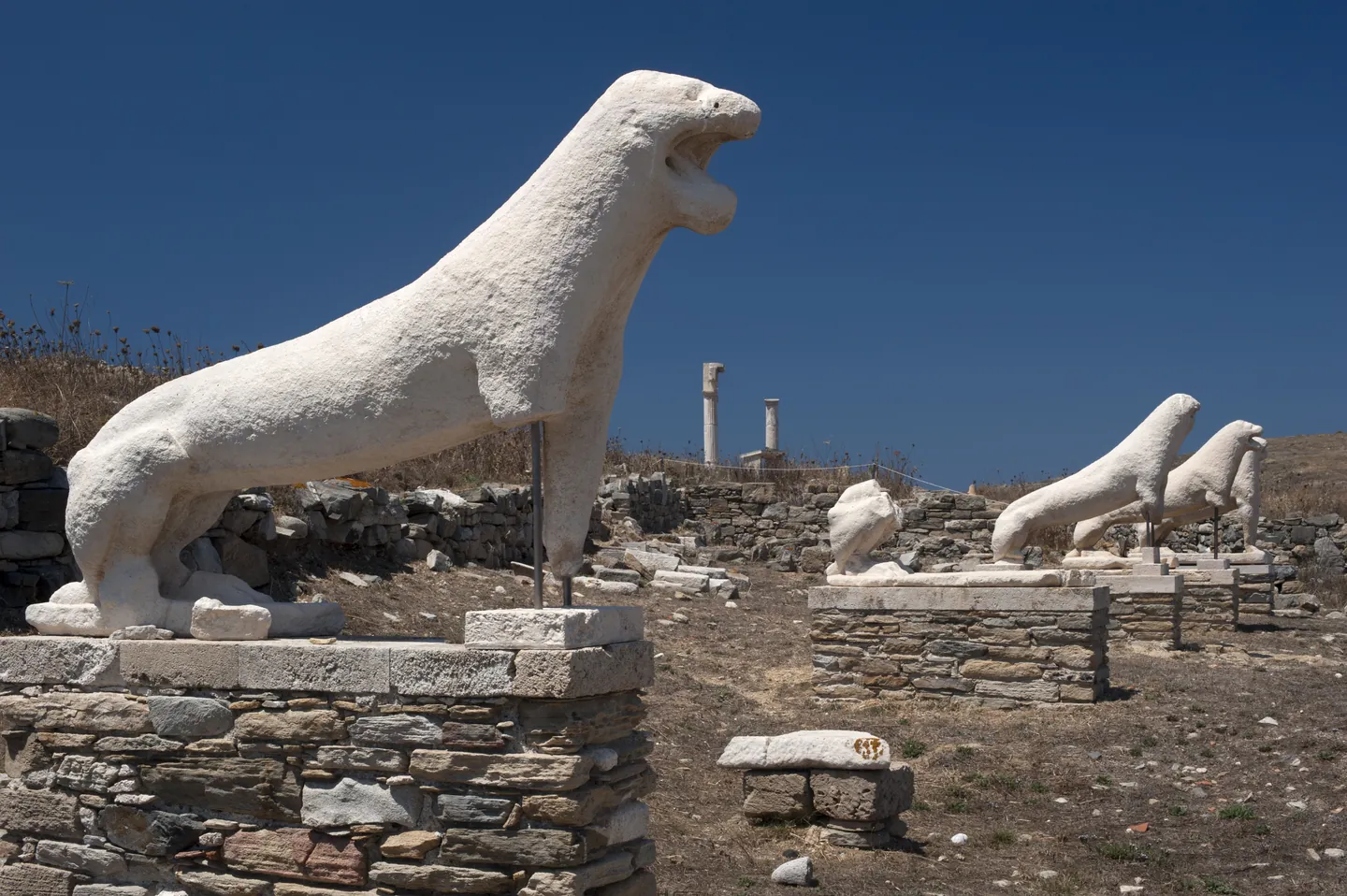
The Terrace of the Lions on Delos, one of the island sites of The Aegean Suite, July 2010. Photo: Ggia, CC BY-SA 3.0, via Wikimedia Commons.
The prints are the most affordable way to own her work, and the details decide their value: a pencil signature and number, which edition the sheet belongs to, whether it comes as a single sheet or with the complete portfolio, and condition, since the colours fade in strong light and old mounts can stain the paper.
Trewyn Studio
From 1949 Hepworth worked at Trewyn Studio in St Ives, now the Barbara Hepworth Museum and Sculpture Garden, run by Tate. Her workshop is kept much as it was. Our page on the St Ives School covers the artists she worked among.
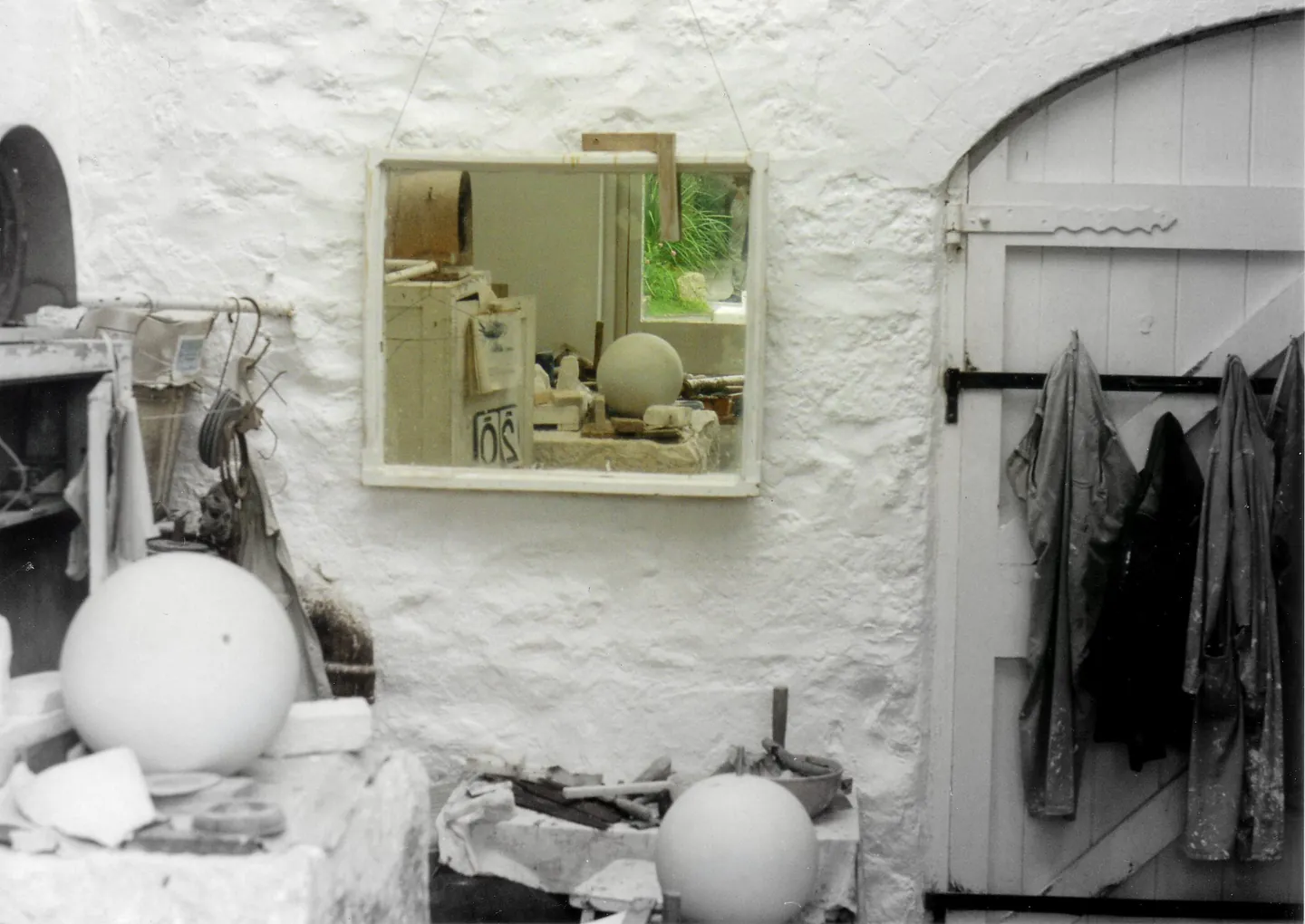
Hepworth's workshop at Trewyn Studio, St Ives, September 2005. Photo: SideLong, CC BY 2.0, via Wikimedia Commons.
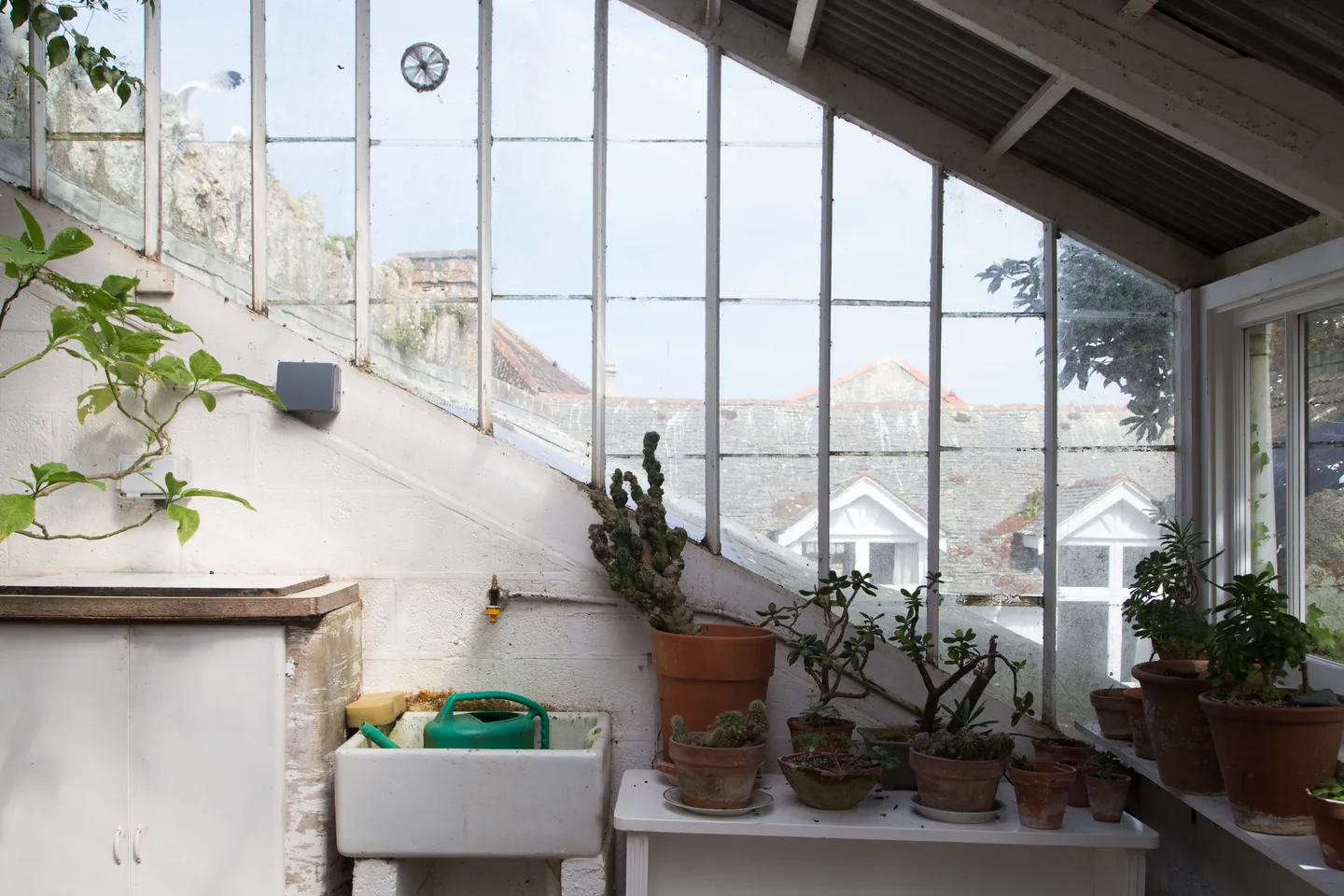
The conservatory at the Barbara Hepworth Museum, St Ives, April 2017. Photo: Tom Parnell, CC BY-SA 2.0, via Wikimedia Commons.
In Wakefield, where she was born, The Hepworth Wakefield shows her sculpture beside later artists, from Sarah Lucas to Phyllida Barlow, in Rhythm, Dance and Everything until 7 March 2027.
Selling a Hepworth
For a carving, its history and exhibition record matter most; for a bronze, the cast number, the foundry and whether it was cast in her lifetime; for a print, the edition, the signature and the condition of the sheet.
If you own a work by Barbara Hepworth and are thinking of selling, send us photographs for a free valuation. There is no obligation to sell, and we act for you rather than for the saleroom.
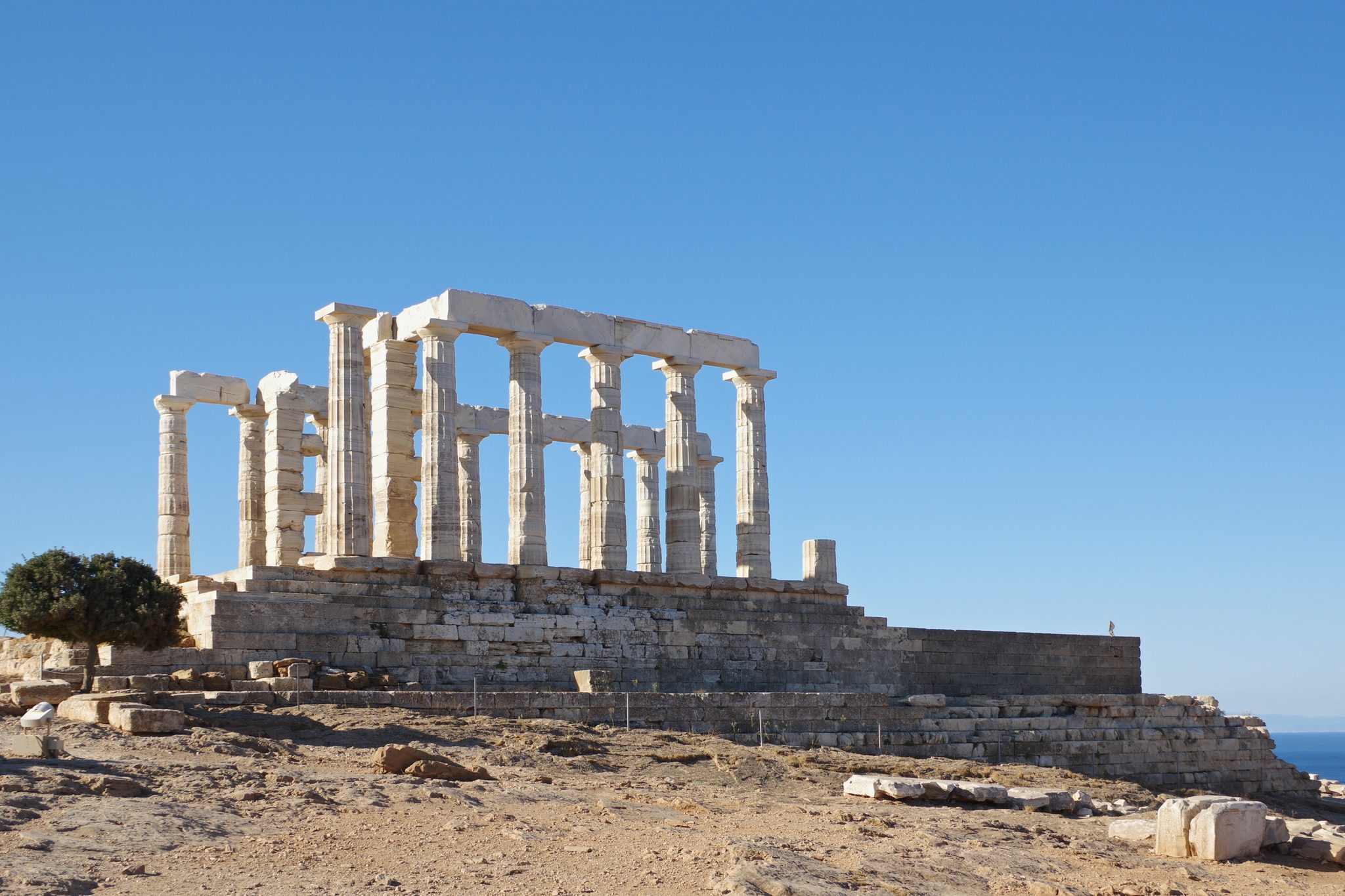
Cover: the Temple of Poseidon at Cape Sounion, the site behind Figure (Sunion), October 2017. Photo: Berthold Werner, CC BY-SA 3.0, via Wikimedia Commons.
Auction market · Exhibitions · Prints and editions