

Art News ·
Art News: The British Artists Who Defined the 1990s
By Whitebank Fine Art
Tate Britain's The 90s: Art and Fashion, on until 14 February 2027, has put the decade back on the gallery wall. The exhibition is as much about photography, magazines and clubs as about art, so this is a recap of the artists themselves: who they were, what they made in the 1990s, where their work can be seen now, and how it comes to market.
Where it started: Freeze and Sensation
In 1988 Damien Hirst, still a student at Goldsmiths, organised Freeze, an exhibition of his fellow students in an empty building in London's Docklands. Several of the names that followed were in it. Through the early 1990s the collector Charles Saatchi bought their work in depth, and the press gave them a label, the Young British Artists. In 1997 Saatchi's collection was shown at the Royal Academy as Sensation, the exhibition that made the generation famous well beyond the art world. Five of the seven Turner Prizes from 1993 to 1999 went to artists in this recap.
Damien Hirst
Hirst's shark, The Physical Impossibility of Death in the Mind of Someone Living, was made in 1991 with Saatchi's backing, and it fixed the image of the decade: a dead animal in a tank of formaldehyde, presented as sculpture. Alongside it came the medicine cabinets, the spot paintings and the butterfly paintings, and he won the Turner Prize in 1995. He made contemporary art front-page news, and his prints and editions now reach far more collectors than his sculpture ever could.
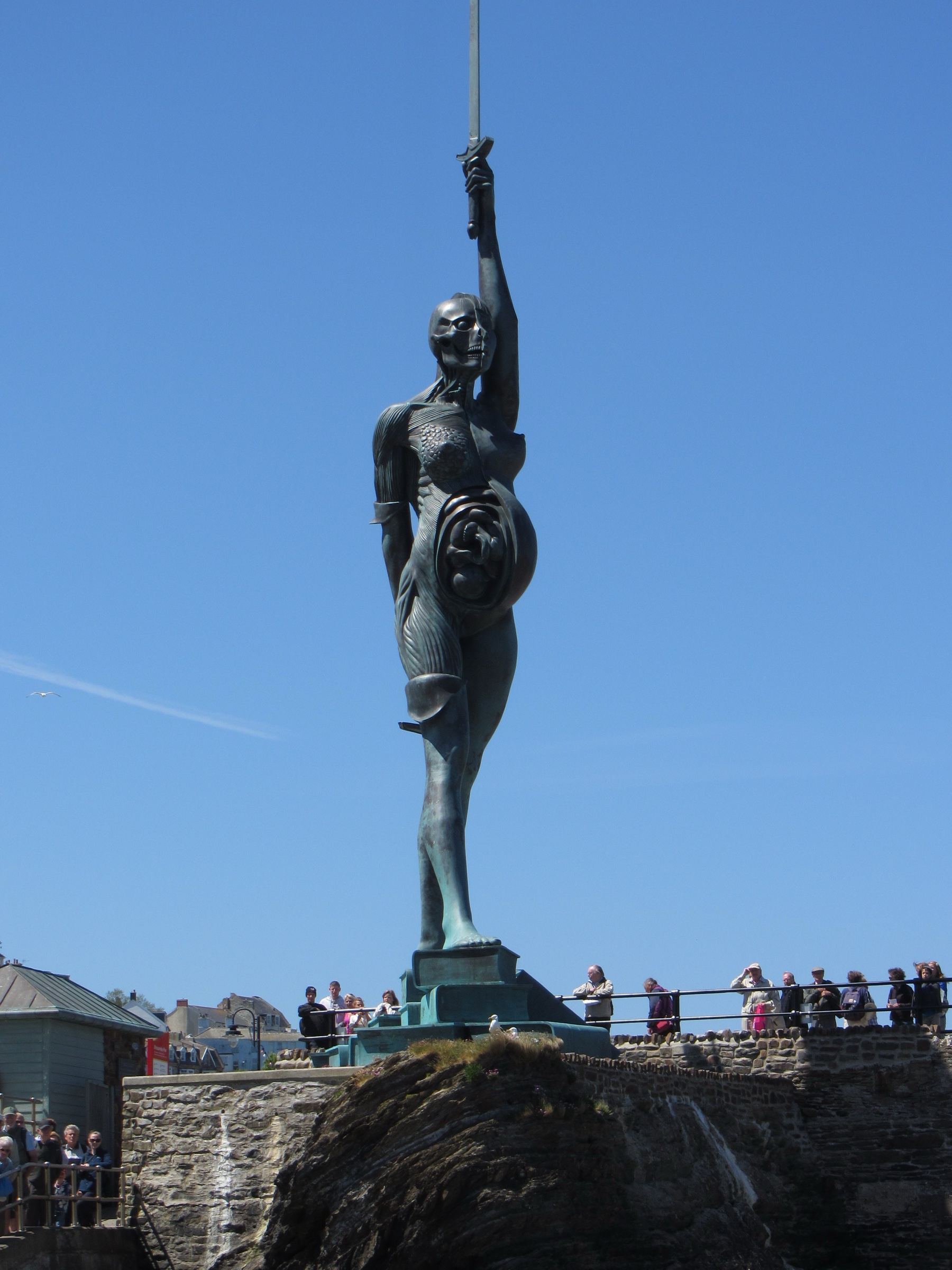
Damien Hirst, Verity, on loan to Ilfracombe harbour in Devon since 2012. Photo: Gareth James, CC BY-SA 2.0, via Wikimedia Commons.
Tracey Emin and Sarah Lucas
In 1993 Tracey Emin and Sarah Lucas rented a former doctor's surgery on Bethnal Green Road and ran it for six months as The Shop, selling things they had made themselves. Both went on to define the decade in different ways.
Emin made her own life the material. Everyone I Have Ever Slept With 1963–1995, a tent appliquéd with names, was destroyed in a warehouse fire in 2004. My Bed, her unmade bed with everything around it, was shortlisted for the Turner Prize in 1999 and is still the most argued-about work of the period. Lucas worked with cheap, blunt materials and sharper jokes: Two Fried Eggs and a Kebab in 1992, and the photograph Chicken Knickers in 1997, which hangs in the Tate show. She represented Britain at the Venice Biennale in 2015.
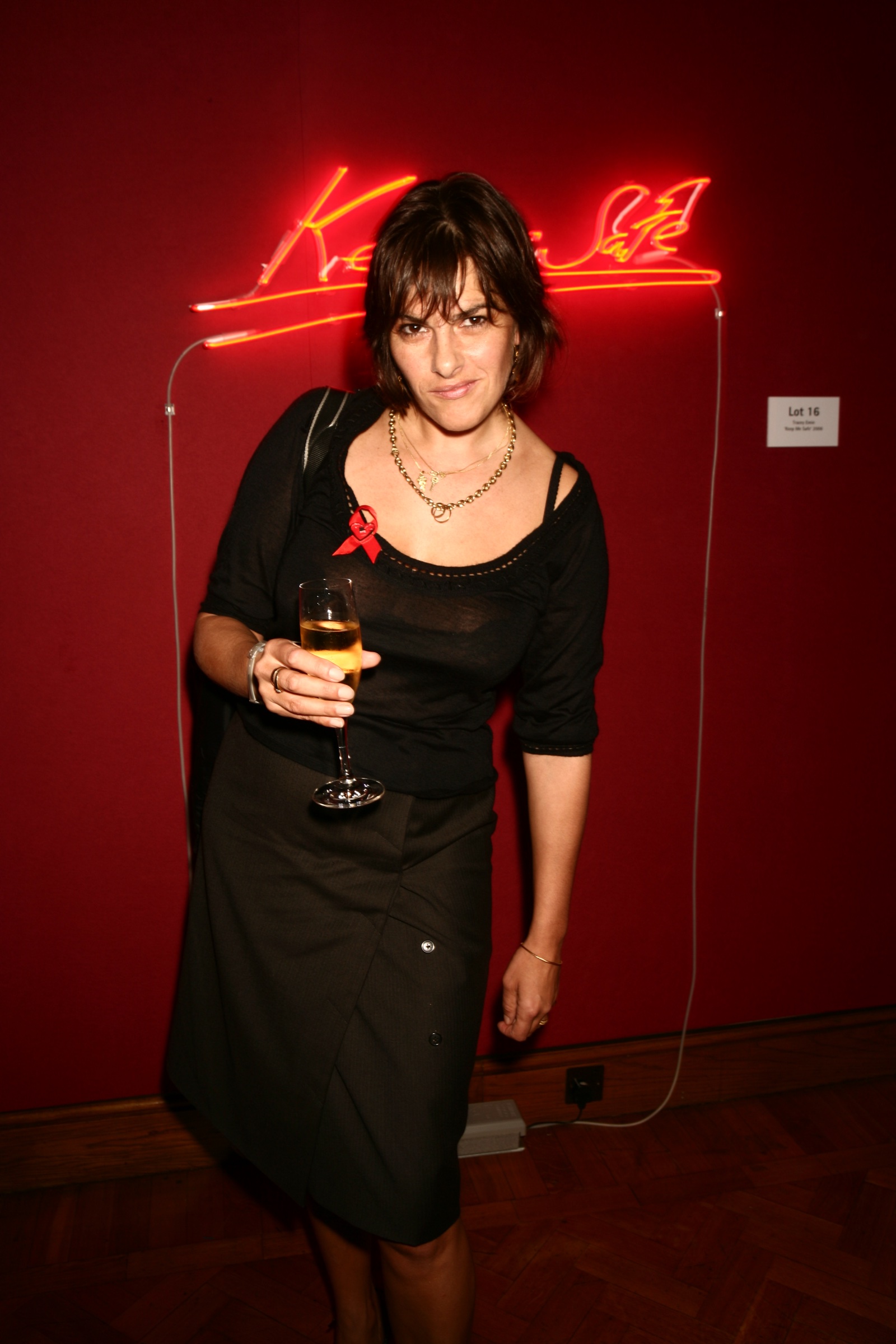
Tracey Emin in 2007. Photo: Piers Allardyce, CC BY 2.0, via Wikimedia Commons.
Rachel Whiteread
Rachel Whiteread casts the space inside and around things. Ghost, in 1990, was the inside of a room in a Victorian house in north London, cast in plaster. House, in 1993, went further: the whole interior of a terraced house in Bow, cast in concrete after the building around it was taken away. It stood for less than three months before it was demolished, and in the same year she became the first woman to win the Turner Prize.
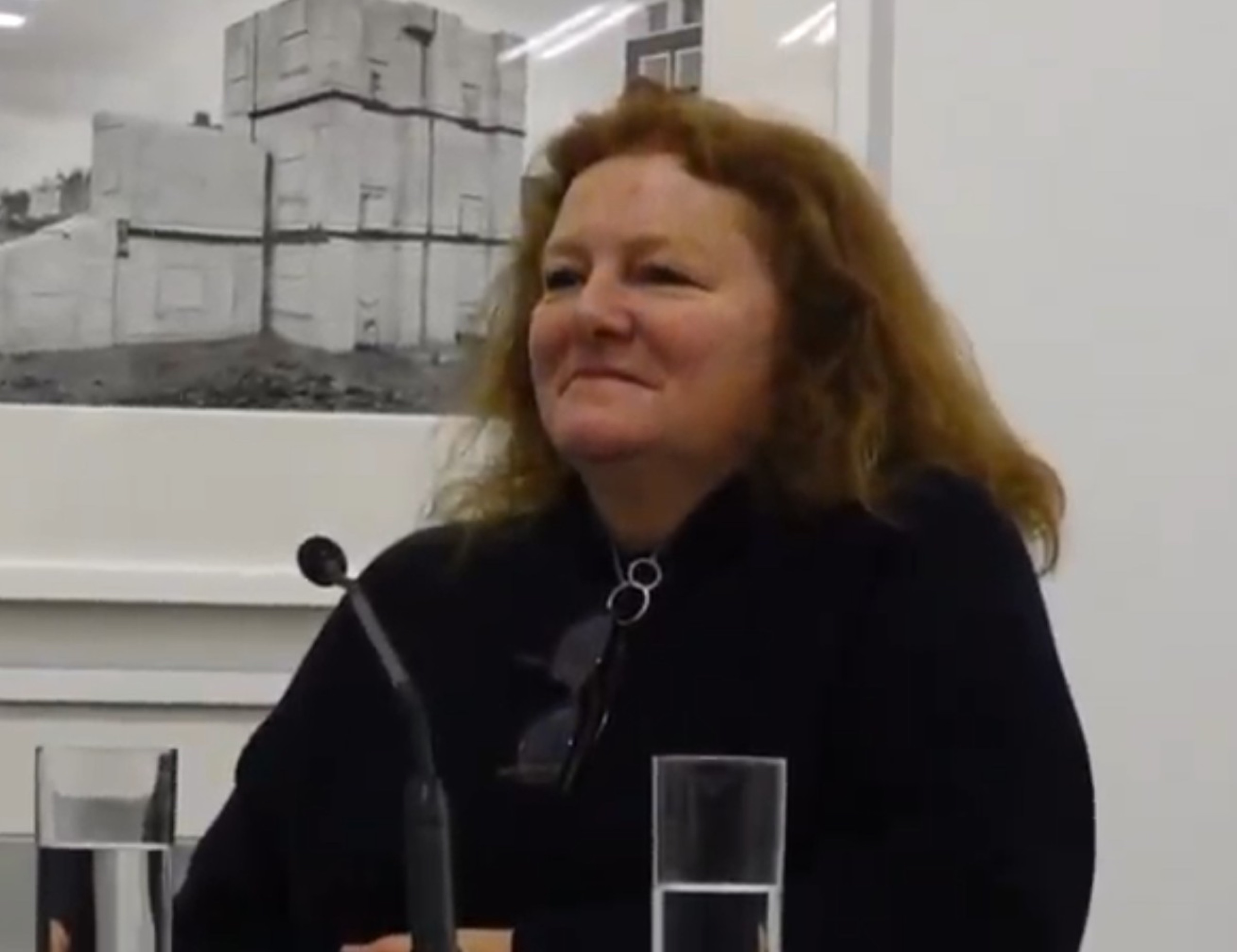
Rachel Whiteread in Vienna in 2018. Photo: Christian Zürn, CC BY 3.0, via Wikimedia Commons.
Chris Ofili
Chris Ofili brought colour and pattern back into painting, with layers of glitter, map pins and resin, and lumps of elephant dung propping his canvases off the floor. He won the Turner Prize in 1998, the year he painted No Woman, No Cry, a portrait of a weeping woman in memory of Stephen Lawrence. His Holy Virgin Mary caused uproar when Sensation travelled to New York in 1999. In 2003 he represented Britain in Venice, and Union Black, his Union Jack in red, black and green, was made for that show.
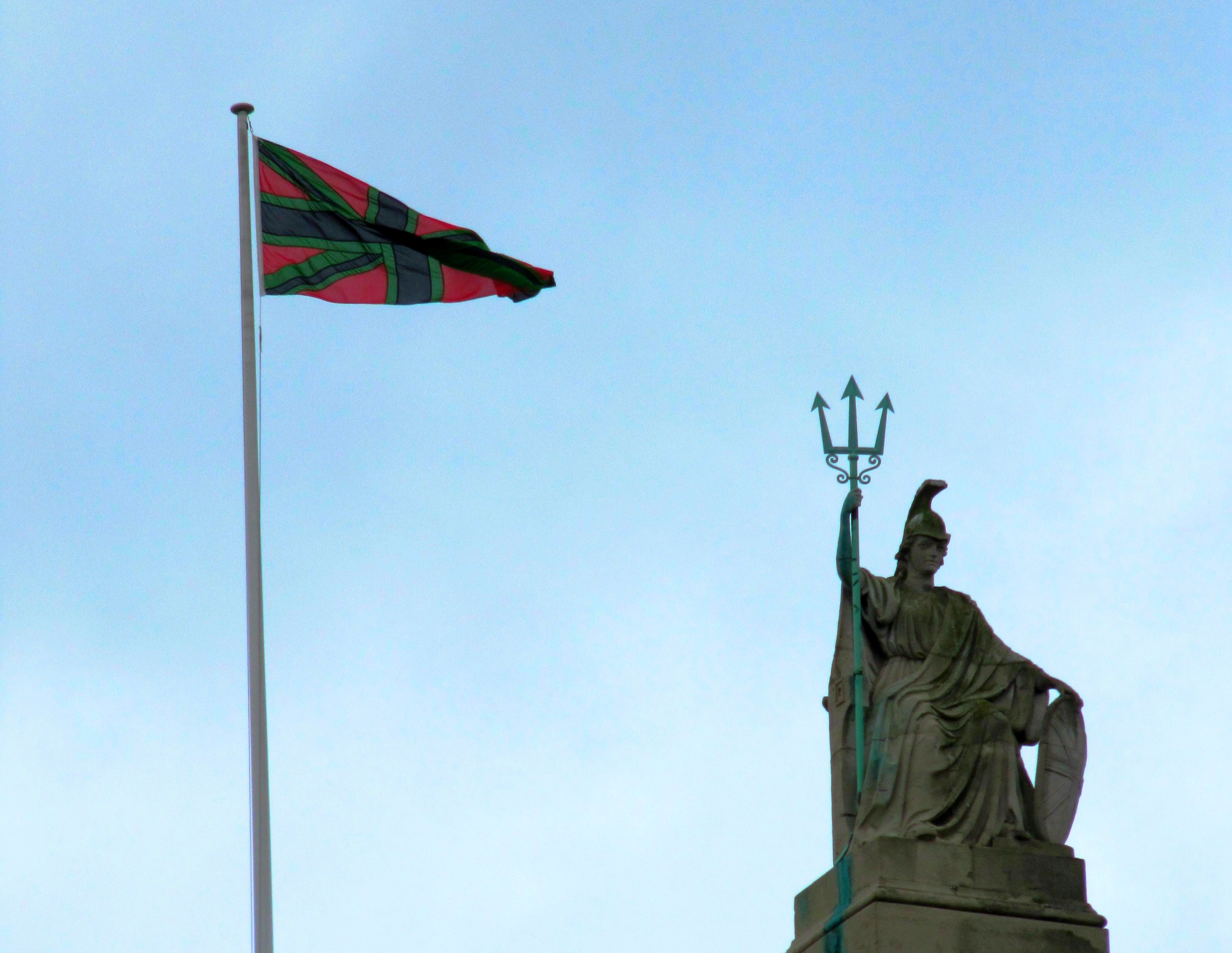
Chris Ofili's Union Black flying above Tate Britain during his retrospective in 2010. Photo: Theophile Escargot, CC BY 2.0, via Wikimedia Commons.
Gillian Wearing and Steve McQueen
Two Turner Prize winners worked with photography and film rather than objects. Gillian Wearing stopped strangers in the street and asked them to write what was on their mind on a sheet of card, then photographed them holding it; the series, from 1992 and 1993, is one of the best-known works of the decade. She won the prize in 1997, and in 2018 her statue of Millicent Fawcett became the first statue of a woman in Parliament Square.
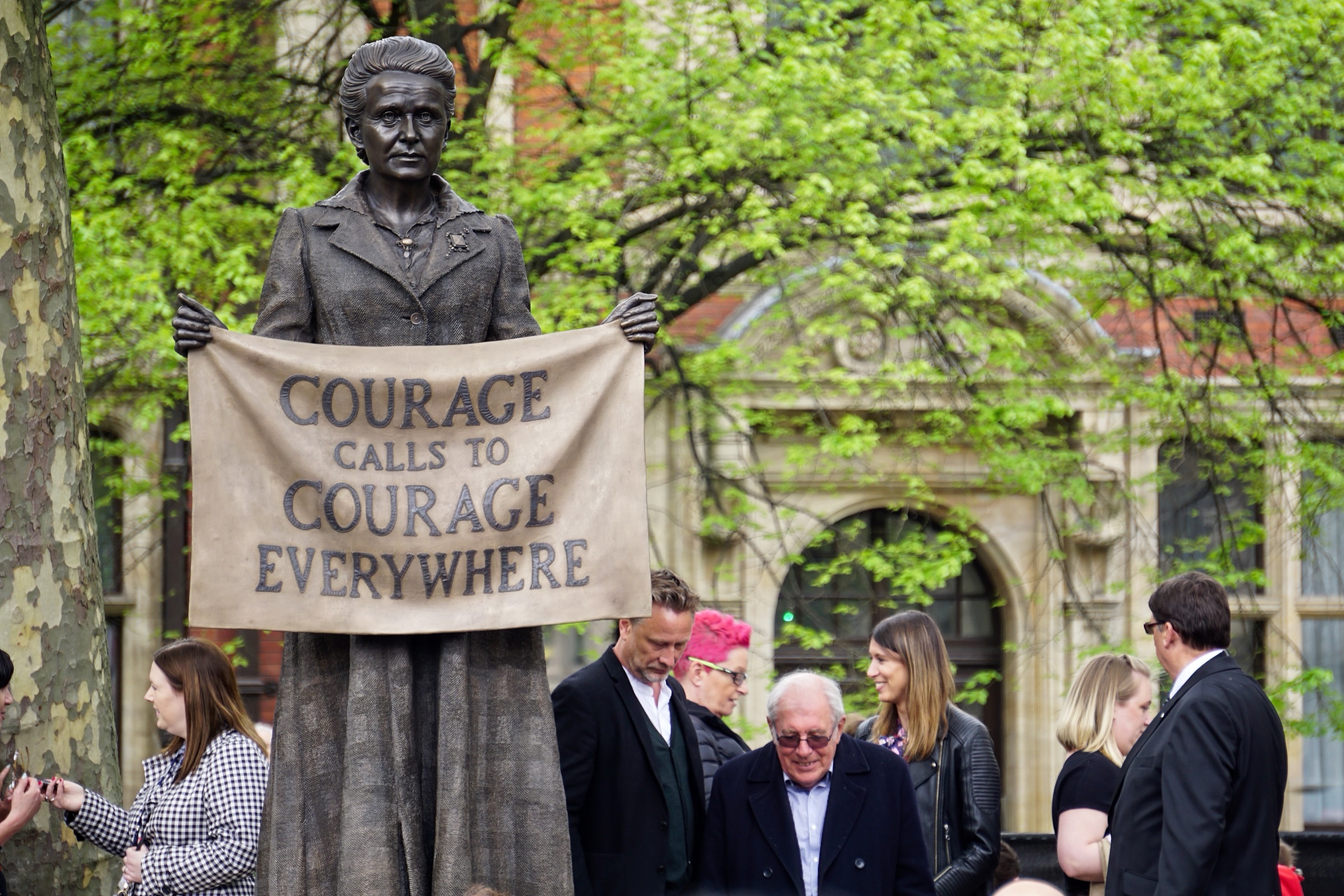
Gillian Wearing's statue of Millicent Fawcett in Parliament Square, April 2018. Photo: Garry Knight, CC0, via Wikimedia Commons.
Steve McQueen won in 1999, with Deadpan among his films: a restaging of a Buster Keaton stunt in which the front of a house falls around him as he stands still. He went on to direct feature films, including 12 Years a Slave, which won the Oscar for best picture in 2014, and in 2019 filled Tate Britain with Year 3, his portraits of London's seven-year-olds.
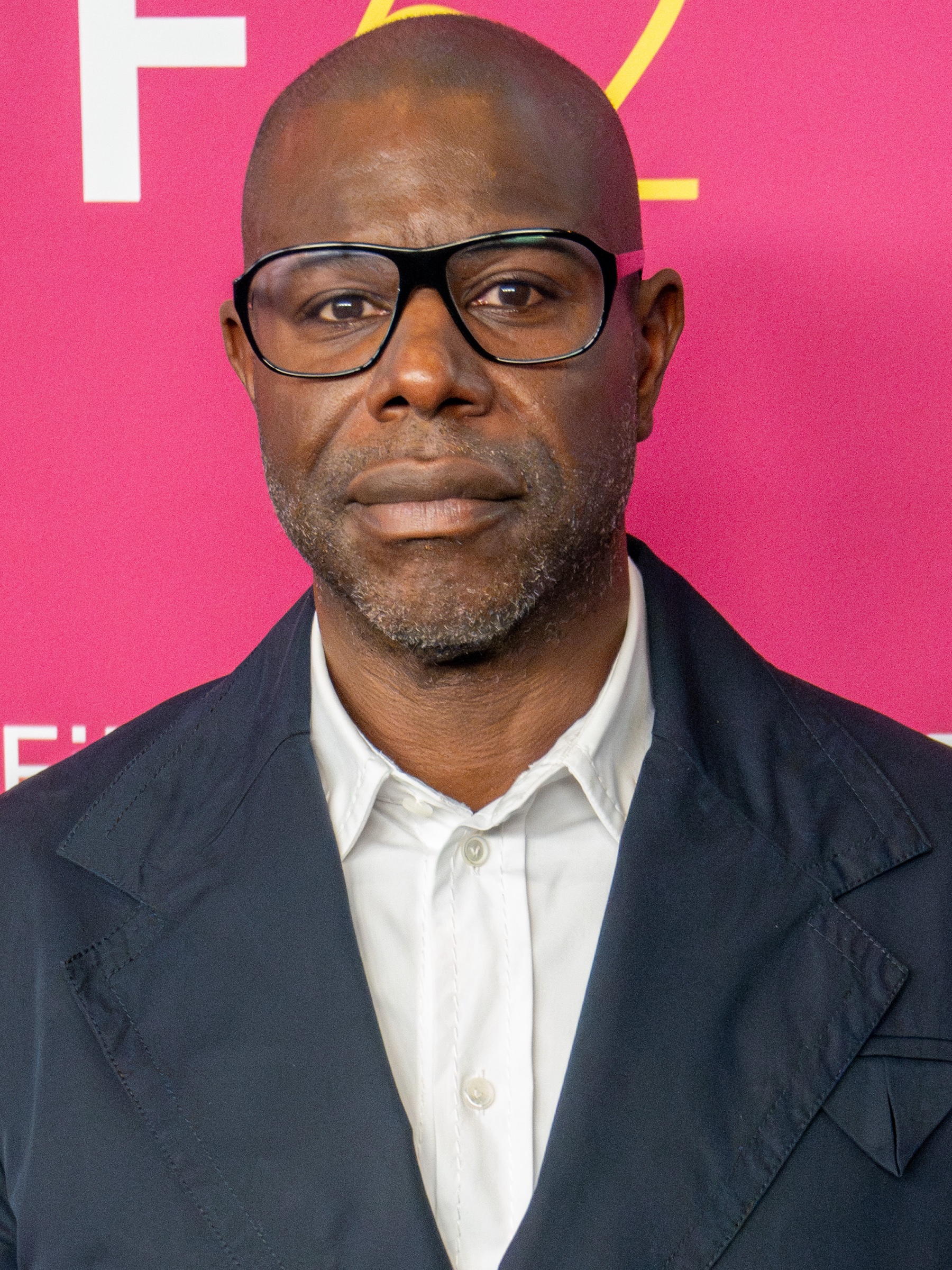
Steve McQueen at the New York Film Festival in 2024. Photo: Bryan Berlin, CC BY-SA 4.0, via Wikimedia Commons.
Yinka Shonibare and the photographers
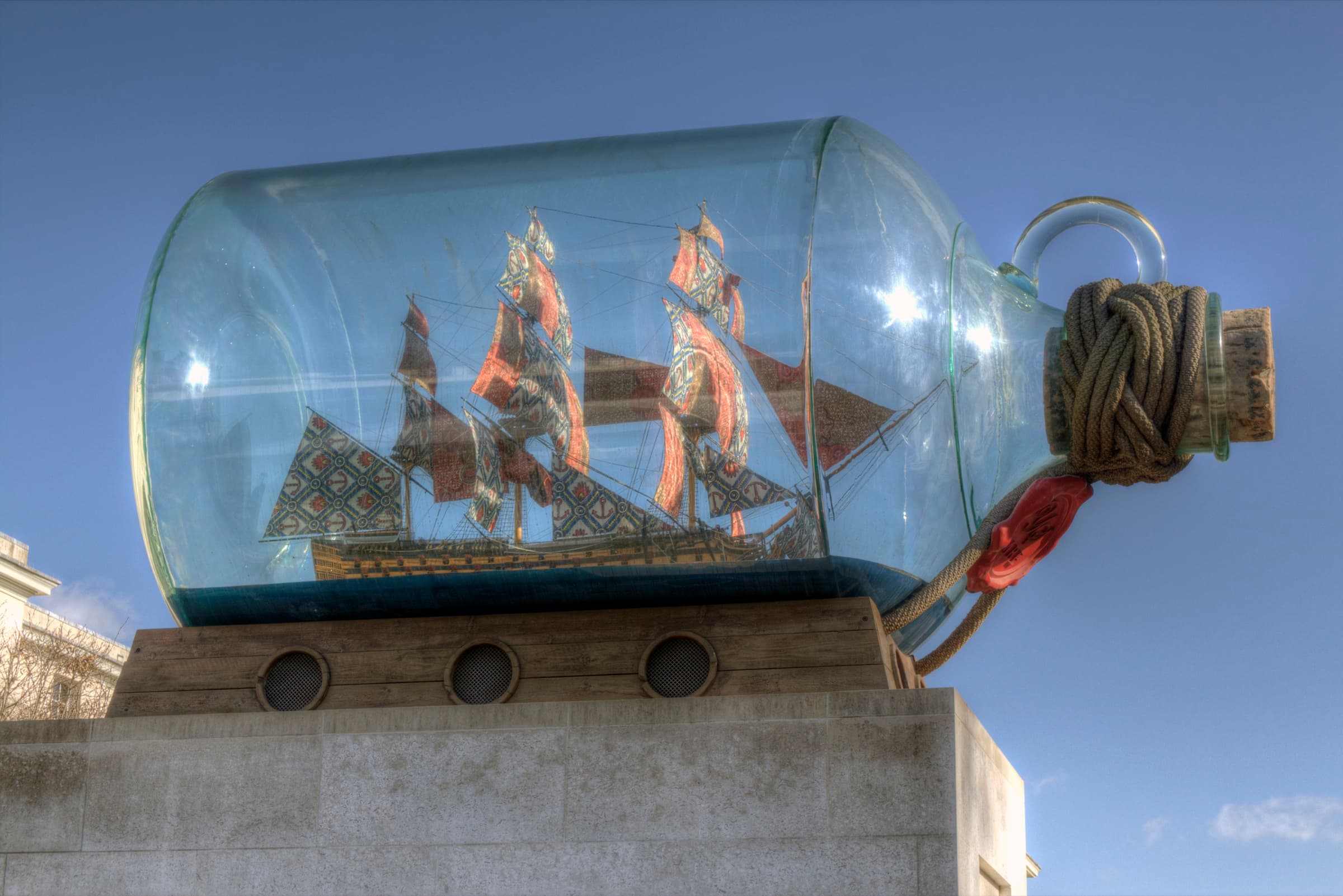
Yinka Shonibare dressed European history in the Dutch wax fabrics sold across West Africa. In Diary of a Victorian Dandy, from 1998, he cast himself as the hero of a Hogarth-style series of photographs, and it closes the Tate exhibition. Twelve years later his Nelson's Ship in a Bottle stood on the Fourth Plinth in Trafalgar Square; it now sits outside the National Maritime Museum in Greenwich.
The decade's photographers matter just as much to the Tate show. Corinne Day photographed the teenage Kate Moss for The Face in 1990, and her unglossy pictures set the look of the years that followed. Juergen Teller worked in the same spirit, and Wolfgang Tillmans, who made his name in London's magazines and clubs, became the first photographer to win the Turner Prize, in 2000.
Owning work from the decade
Few people own a shark, but many more own something by these artists: a signed print, an edition, a multiple, an exhibition poster. Hirst's spot and butterfly prints, Emin's prints and Whiteread's editions come to market regularly, and so do works by others of the generation, among them Marc Quinn, Gary Hume, Jenny Saville and Jake and Dinos Chapman. What a piece is worth depends on exactly what it is: signed or unsigned, the size of the edition, the publisher's stamp and paperwork, and condition, which framing often hides.
If you own a work by one of these artists and are thinking of selling, send us photographs for a free valuation. There is no obligation to sell, and we act for you rather than for the saleroom.
Cover: Yinka Shonibare, Nelson's Ship in a Bottle, National Maritime Museum, Greenwich. Photo: Prioryman, CC BY-SA 4.0, via Wikimedia Commons.
Exhibitions · Auction market
