Art News ·
Art News: The best affordable art in the UK, and where to start collecting prints and editions
By Whitebank Fine Art
The best affordable art in the UK is usually a signed print from a limited edition. An edition lets an artist sell the same image many times, so each sheet costs a fraction of a painting by the same hand, and you can buy one from a print studio, a graduate show, an art fair, a saleroom or an artist's own Instagram account. The safest of those routes are the ones where you can see who is selling and pay in a way that protects you.
Where to find affordable art in the UK
- Print studios and workshops. Edinburgh Printmakers and Glasgow Print Studio sell work by the artists who print there, and there are similar workshops around the country. Prices tend to be modest and the provenance could hardly be simpler.
- Art fairs. The Affordable Art Fair, held in London and other cities, was set up for people buying their first work. Print fairs are also worth a visit, because the dealers there can explain what you are looking at.
- Society and open exhibitions. The Royal Academy's Summer Exhibition sells works and editions by a wide range of artists, and the Royal Society of Painter-Printmakers shows at Bankside Gallery.
- Degree shows. Art schools hold graduate shows each summer, where you can buy from an artist at the very start of a career.
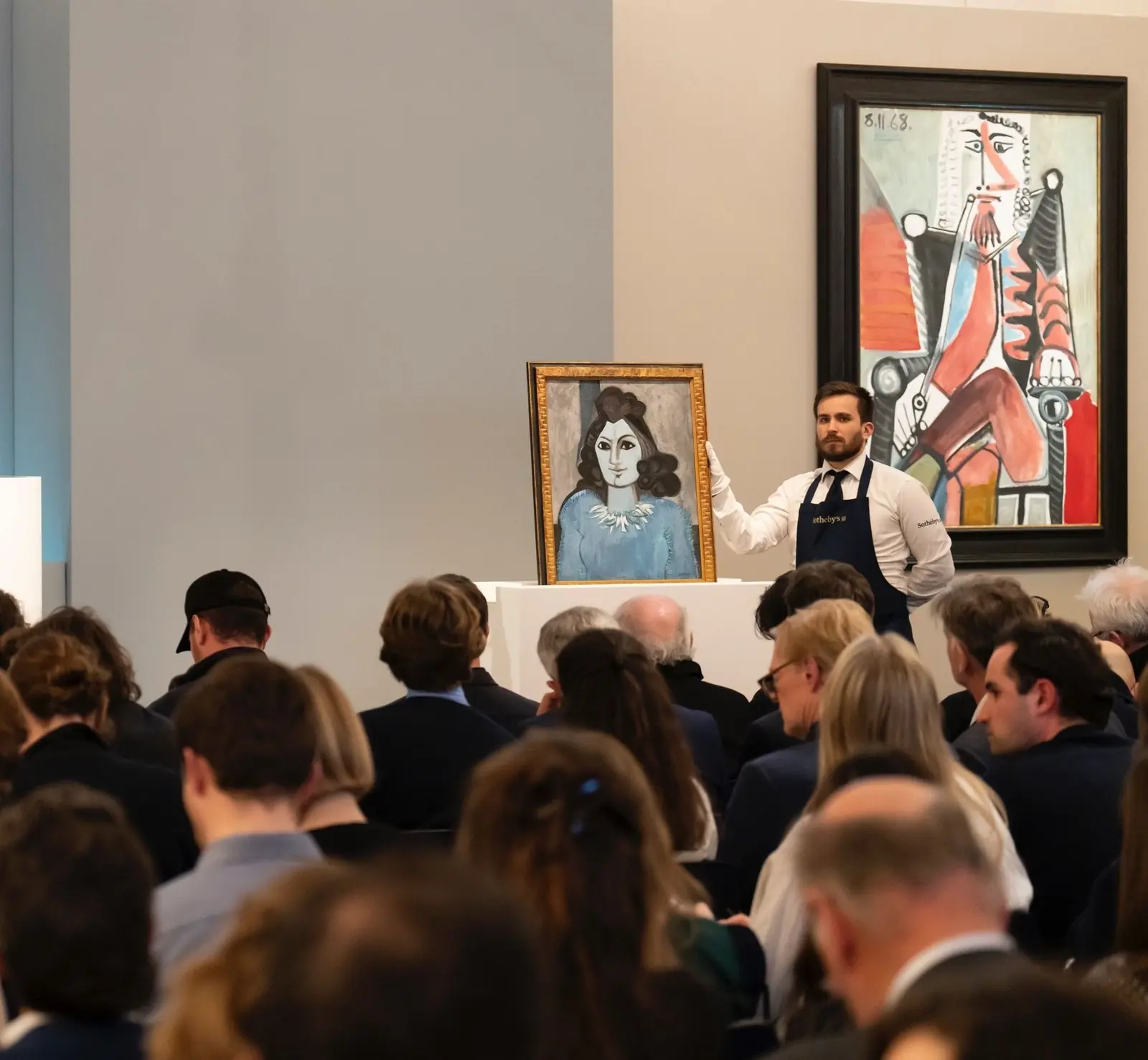
- Regional salerooms. Prints by established names turn up in general sales. Add the buyer's premium and VAT to your limit, and read how to buy art at auction safely first.
- Publishers. Editions from publishers such as HENI are sold direct when released, then pass between owners afterwards.
- Galleries. Many commercial galleries keep prints alongside paintings, and London's best art galleries are free to walk into.
Our wider guide to where to buy and sell art in the UK compares these routes with private sale and dealers.
What the words on a print mean
| Term | What it means | Why it matters |
|---|---|---|
| Limited edition | A fixed number of impressions, usually written as 12/50 | The number should be confirmed, because scarcity supports the price |
| Open edition | No limit on how many can be made | Pleasant to live with, and rarely worth more later |
| Artist's proof (AP) | A small set kept outside the main edition | Often priced at or above the numbered sheets |
| Signed in pencil | Signed by hand, usually below the image | A signature printed into the image is a different and lesser thing |
| Screenprint, etching, lithograph, woodcut | Traditional methods in which the artist's image is made by hand from a screen, plate, stone or block | The method is part of what you are buying |
| Giclée | A high quality inkjet print | Can be fine work, but check whether it is an artist's edition or a reproduction of a painting |
A poster or a photographic reproduction of a painting can look like an edition in a small online picture. Ask how it was made, how many exist and who signed it.
How to start collecting prints
Start with an image you want to look at every day, because there is no guarantee that a modest print will rise in value. Set a budget that includes framing and delivery, and spend it on one better sheet from a small edition before you spend it on several cheaper ones.
Condition affects the price of a print more than most new buyers expect. Fading, foxing, creases and trimmed margins all reduce it, so ask for photographs of the whole sheet, out of the frame if possible. When you frame it, use acid-free mounts and UV glazing, and hang it out of direct sun. Keep the invoice and any certificate together, because you or your family will want them if the print is ever sold.
Buying art on Instagram
Instagram is now one of the most natural places to find new art. Artists announce editions in their stories, studios open sales with a post, and you can follow someone for years before buying. Plenty of good work is sold this way, often directly by the person who made it.
It is also an easy place to pretend to be someone else. Anyone can copy an artist's pictures to a new account with a near identical name, and a follower count or a blue tick does not tell you who will receive your money. The risks to look for:
- A copycat account. Check the handle letter by letter, and start from the artist's own website or gallery, following the link they publish.
- The approach in your messages. Be wary of an unexpected message offering you a work, or telling you that you have been chosen for a release.
- Hurry. "Last one" and "someone else is about to pay" are there to stop you checking.
- Payment to a personal account. A bank transfer to an individual is very hard to recover. So is PayPal's friends and family option, which has no buyer protection.
- A certificate as a picture. Anyone can make a certificate. It only helps if the person or body that issued it will confirm it. For a Banksy, for example, only Pest Control counts.
- Images that are too good. Search for the picture online using a reverse image search, and ask for a new photograph or short video of the actual sheet with today's date beside it.
Before you pay anyone on Instagram, do these things:
- Confirm the seller's identity away from Instagram, through the artist's website, the gallery's published email address or a phone call.
- Ask for an invoice giving the seller's full name and address, the title, the medium, the edition number and the price.
- Ask how the print will be packed, insured and delivered, and who bears the loss if it arrives damaged.
- Pay by credit card if you can. Under section 75 of the Consumer Credit Act, the card company can share liability on a purchase from a business costing more than £100 and up to £30,000. PayPal goods and services is the next best option.
- Check who you are buying from. Buying online from a business generally gives you 14 days to change your mind, with some exceptions such as commissioned work. Buying from a private individual generally does not.
- If the print is by a well known artist, look up what the same edition has made at auction. A price far below the others usually has a reason.
How Whitebank Fine Art can make a purchase safer
Whitebank Fine Art, a London art advisory, can stand between you and a seller you do not know. Send the Instagram post, listing or auction lot you are considering and tell us what you know about it. Our terms for buyers are agreed before any work starts, and you are not committed to anything by asking.
Whitebank Fine Art can check the condition of the work, its provenance, the seller's title to it and the paperwork the market expects, such as a certificate or confirmation from the artist's authentication body where one exists. We compare the asking price with what the same edition has made elsewhere and negotiate on your behalf. Payment, insurance and shipping are arranged for you, funds clear before the work moves, and your name is not passed to the seller without your consent.
If you do not yet have a work in mind, tell us the artist, the kind of print or simply what you want to spend, and we can search privately among owners and dealers. A low priced print from a studio you have visited needs nothing more than the checks above. Independent help makes more sense as the price rises, or when the seller is a stranger.
Get in touch with the details of the work, with no obligation to proceed.
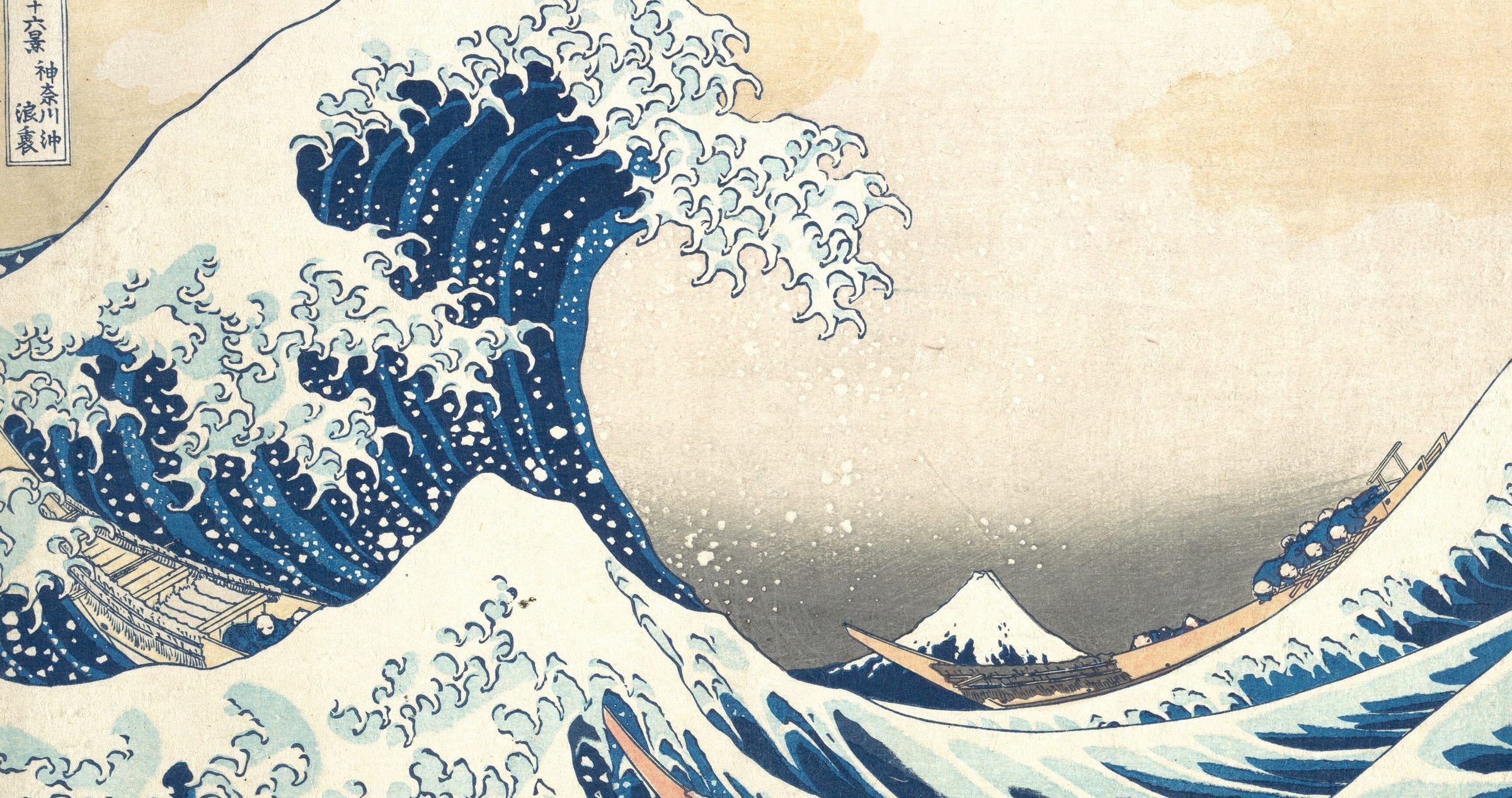
Cover: Katsushika Hokusai, Under the Wave off Kanagawa, about 1831, colour woodblock print. Public domain, via Wikimedia Commons.
Market