Baroque
Baroque is the dramatic, emotional and richly theatrical style of European art and architecture from about 1600 to 1750, born in Rome in the service of the Catholic Church and taken up by the courts of Europe; its painters include Caravaggio, Artemisia Gentileschi, Peter Paul Rubens, Anthony van Dyck, Diego Velázquez and, in the Dutch Republic, Rembrandt and Vermeer.
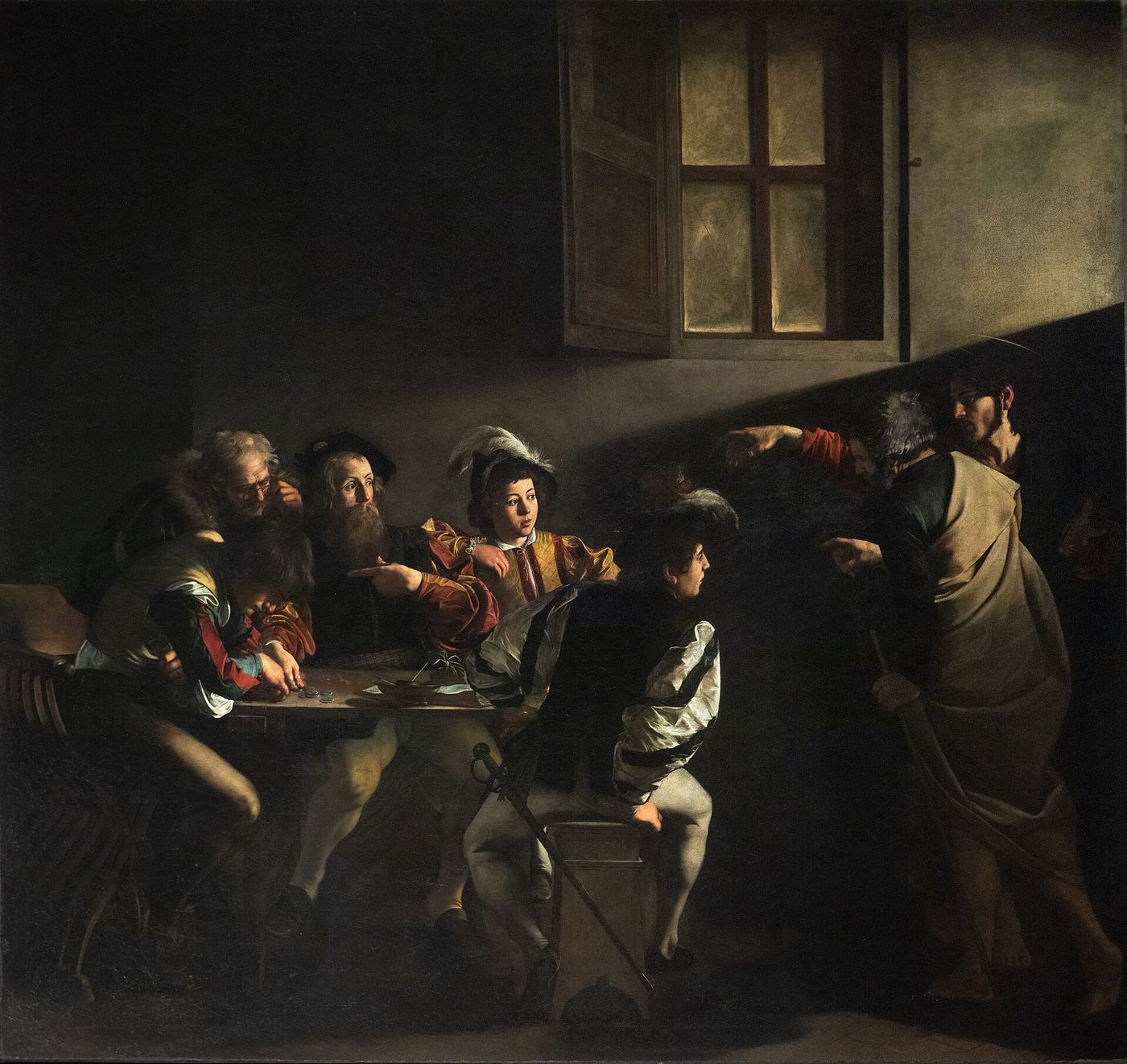
The Baroque began in Rome around 1600, when the Catholic Church, answering the Protestant Reformation, wanted an art that would move the faithful rather than instruct them. Caravaggio painted saints and apostles as the poor of the Roman streets, lit by a single beam of light against deep shadow; Annibale Carracci revived the grandeur of Raphael and Michelangelo; and Gian Lorenzo Bernini, in sculpture and architecture, made marble seem to move and breathe, as in The Ecstasy of Saint Teresa. Ceilings opened onto painted heavens, churches were designed as theatres, and painting, sculpture and building were combined to overwhelm the senses. The name, which may come from the Portuguese word for an irregular pearl, was first used in criticism of the style's excess.
From Rome it spread across Europe and took different forms. In Flanders Peter Paul Rubens ran the busiest studio in Europe and his pupil Anthony van Dyck became court painter to Charles I in London; in Spain Diego Velázquez painted Philip IV's court; and in the Protestant Dutch Republic, with no Church to commission altarpieces, Rembrandt, Vermeer and their contemporaries painted portraits, landscapes and domestic interiors for a market of private buyers, a golden age that is sometimes counted as Baroque and sometimes as a world of its own. In France the style served the glory of Louis XIV at Versailles, and in England it reached Christopher Wren's St Paul's Cathedral. From about 1720 its lighter offshoot, the Rococo, took over.
At a glance
- When
- About 1600 to 1750
- Where
- Rome, then Flanders, Spain, the Dutch Republic and across Europe
- Leading artists
- Caravaggio, Artemisia Gentileschi
Characteristics of the Baroque
- Light and shadow
- Strong contrasts of light and dark, chiaroscuro, pushed to extremes by Caravaggio and his followers.
- Drama and emotion
- The most intense moment of a story, painted to move the viewer.
- Movement
- Diagonals, swirling drapery and figures caught in action.
- Realism
- Ordinary faces and bodies, even in sacred and classical subjects.
- The arts combined
- Painting, sculpture and architecture working together in churches and palaces.
Baroque artists
Every artist below has a page on this site, with a short biography and what a valuation of their work turns on.
In Italy
In Flanders and Spain
- Peter Paul RubensPainter, diplomat and head of the busiest studio in Europe, whose energy defined the Baroque north of the Alps.
- Anthony van DyckRubens's most brilliant assistant, and the portrait painter who fixed the image of Charles I's court.
- Diego VelázquezLas Meninas, the Rokeby Venus and the portraits of Philip IV, by the painter Manet called the painter of painters.
Famous Baroque works
- The Calling of Saint MatthewCaravaggio, 1599–1600, San Luigi dei Francesi, Rome
- Judith Slaying HolofernesArtemisia Gentileschi, about 1620, Uffizi, Florence
- Banqueting House ceilingPeter Paul Rubens, installed 1636, Banqueting House, Whitehall, London
- The Night WatchRembrandt, 1642, Rijksmuseum, Amsterdam
- Las MeninasDiego Velázquez, 1656, Museo del Prado, Madrid
What a valuation turns on
The great Baroque painters ran studios, had followers and were copied for centuries, so the first question about any seventeenth-century picture is how much of it is by the artist named. Catalogues and salerooms use a precise ladder of terms, from a work by the artist, through 'attributed to', 'studio of', 'circle of' and 'follower of', to 'manner of' and 'after', and each step down can divide the value many times over. Prints are the accessible end of the market, Rembrandt's etchings above all, where the question is when an impression was printed.
Condition is the second question. Most Old Master paintings have been relined, cleaned and restored, sometimes more than once, and the extent of later paint matters as much as the attribution. Technical study, of pigments, panels, canvas and the layers under the surface, now settles many questions, and a provenance with no gaps between 1933 and 1945 is essential before a major work can be sold. Important paintings that have been in Britain for many years may also need an export licence to leave the country.
Common questions
What is Baroque art?
Baroque art is the dramatic, emotional style of European painting, sculpture and architecture from about 1600 to 1750. It is known for strong contrasts of light and shadow, movement, rich colour and an intensity meant to move the viewer, and it began in Rome in the service of the Catholic Church.
What is the difference between Renaissance and Baroque art?
Renaissance art, of the fifteenth and sixteenth centuries, aimed at balance, harmony and calm, with clear, evenly lit compositions. The Baroque that followed is more dramatic and emotional, with strong contrasts of light and dark, diagonal movement and the most intense moment of a story.
Who are the most famous Baroque artists?
Caravaggio, Annibale Carracci, Artemisia Gentileschi and the sculptor Gian Lorenzo Bernini in Italy; Peter Paul Rubens and Anthony van Dyck in Flanders; Diego Velázquez in Spain; and Rembrandt and Johannes Vermeer in the Dutch Republic.
When was the Baroque period?
From about 1600 to about 1750. It began in Rome, was at its height in the middle of the seventeenth century, and gave way to the lighter Rococo in the early eighteenth century.
How do I sell an Old Master painting?
Send photographs of the front and the back, with any labels, inscriptions, seals or old collection marks, for a free, confidential valuation. Attribution, condition and provenance decide the most; we look at all three, compare a confidential private sale with auction, and keep the paperwork in your name until you are paid.