

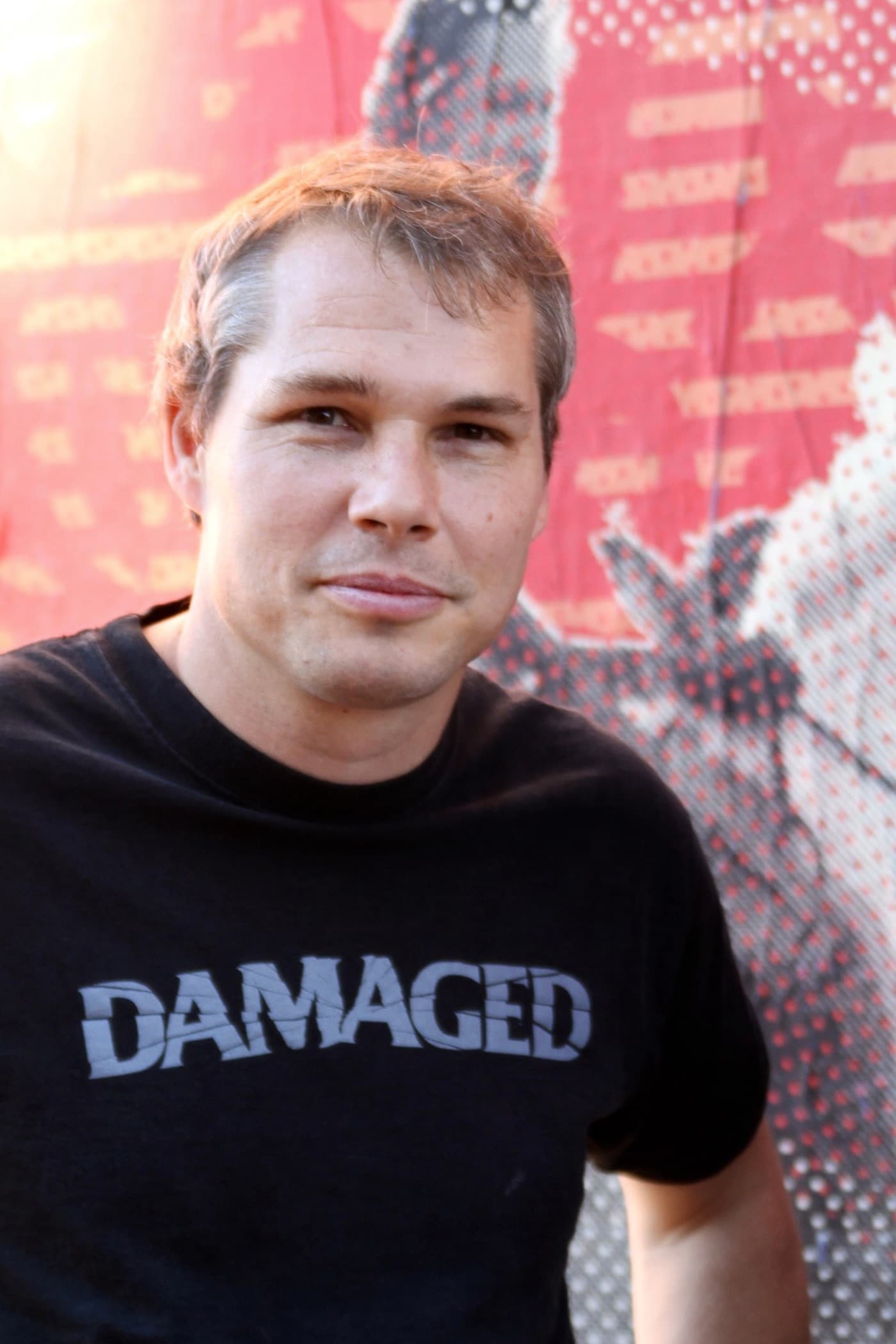
Shepard Fairey valuation
Andre the Giant on a sticker, OBEY on a wall, and Hope on every lamp post in 2008.
Shepard Fairey was born in Charleston, South Carolina in 1970 and made his first sticker at the Rhode Island School of Design in 1989 — a wrestler's face captioned Andre the Giant Has a Posse — as an experiment in what happens when an image with no meaning is repeated enough.
What a work by Shepard Fairey is worth
Send photographs and whatever paperwork came with it. The first question is what the work actually is — edition or unique, when, and in what condition — because everything else follows from the answer. A valuation is free, made online from the photographs you send, and it commits you to nothing. We act for sellers across the United Kingdom, Europe and the United States.
Write to info@whitebankfineart.co.uk, or start below.
Bio
Shepard Fairey was born in Charleston, South Carolina in 1970 and made his first sticker at the Rhode Island School of Design in 1989 — a wrestler's face captioned Andre the Giant Has a Posse — as an experiment in what happens when an image with no meaning is repeated enough. It became OBEY, and then a clothing label, a design studio and a body of prints and murals in a Soviet-poster red, black and cream. The Hope portrait of Barack Obama in 2008 became the defining image of that campaign, and produced a long copyright action with the Associated Press that Fairey settled after admitting he had destroyed evidence.
The print output is very large and is where nearly all trading happens: screenprints on paper and on wood panel, in editions from around eighty to several thousand, often in multiple colourways, with regular timed online releases. Edition size, release, colourway and whether a sheet is signed and dated in pencil are what set the value, and the spread between them is wide. Hand-painted multiples and unique collages on canvas sit above the prints. Unsigned open editions and merchandise are frequently listed as limited work.
Hope, and the difference between a poster and a print
Fairey's portrait of Barack Obama, made in 2008 from an Associated Press photograph, exists in several forms. It was printed in very large numbers as campaign posters and stickers, and Fairey also released signed and numbered versions, among them an edition of six hundred sold through his own website at the time. The posters are common; the signed editions are collected.
Unsigned Hope posters are the version most people own, and they are worth a fraction of a signed impression. A pencil signature, date and edition number in the margin are what to look for, along with the release details that Obey Giant publishes for every edition.
Alternate Graphics, BLK/MRKT and Supply & Demand
Fairey grew up in Charleston, the son of a doctor and an estate agent, and by 1984 was putting his drawings on skateboards and T-shirts. He made the Andre the Giant stencil in the summer of 1989 while teaching a friend to cut stencils, using a wrestling advertisement from a newspaper, changed the image and the word to OBEY in 1996, and took several slogans from John Carpenter's film They Live. After his BFA in illustration in 1992 he ran a small screenprinting business in Providence, Alternate Graphics, printing T-shirts and stickers, and Helen Stickler's documentary about him, Andre the Giant Has a Posse, played at Sundance in 1997.
With Dave Kinsey and Phillip DeWolff he ran the design studio BLK/MRKT from 1997 to 2003, whose clients included Pepsi, Hasbro and Netscape, for which he drew the red dinosaur used by Mozilla, and in 2003 he and his wife, Amanda Fairey, founded Studio Number One, which made the poster for Walk the Line; he has also designed album covers for the Smashing Pumpkins and Led Zeppelin. His first museum exhibition, Supply & Demand, at the Institute of Contemporary Art in Boston in 2009, showed more than 250 works. His work is in the Smithsonian, LACMA, the Museum of Modern Art, the National Portrait Gallery in Washington and the V&A.
Whitebank Fine Art is an art advisory and gallery, not an auction house, and is not affiliated with any auction house or with the artist, their estate or their representatives. This page describes the range we advise on. Nothing here is investment advice.
