

Art Informel
Art Informel, 'formless art', is the name for the gestural abstract painting made in Europe after the Second World War, in Paris above all, which rejected geometry and planned composition for spontaneity, texture and the mark; Tachisme and Lyrical Abstraction are its branches.
It was Europe's answer to Abstract Expressionism, and in its first years it ran alongside it rather than after it. Wols, Jean Fautrier and Hans Hartung were making formless, improvised paintings in Paris in the mid-1940s, and the exhibitions Georges Mathieu helped to organise in 1947 and 1948 gave it the name Lyrical Abstraction. The critic Michel Tapié named the wider movement: Art Informel, from his exhibition Signifiants de l'informel in 1951, and Un art autre, an 'other art', in his book and exhibition of 1952, which showed the Europeans with Pollock and de Kooning. Tachisme, from tache, a stain or blot, was the critics' word from the early 1950s for painting in patches and dabs of colour.
Paris was its centre, and a cosmopolitan one: Pierre Soulages from Rodez, Hartung from Leipzig, Serge Poliakoff from Moscow, Nicolas de Staël from St Petersburg, Jean-Paul Riopelle and Sam Francis from across the Atlantic, and Zao Wou-Ki and Chu Teh-Chun from China, who joined the brushwork of Chinese painting to Western abstraction. Elsewhere it took local forms: matter painting in Spain with Antoni Tàpies, Alberto Burri's sacking and burnt plastic in Italy, the German Informel of Ernst Wilhelm Nay and Fred Thieler, and the CoBrA painters in the north. Jean Dubuffet's thick, scratched Art Brut surfaces ran beside it.
At a glance
- When
- 1945 to the 1960s
- Where
- Paris and across Europe
- Leading artists
- Hans Hartung, Pierre Soulages, Georges Mathieu, Jean-Paul Riopelle
Characteristics of Art Informel
- Gesture and the mark
- The trace of the hand, fast and unrepeatable.
- Matter
- Thick impasto, sand, sacking and scorched materials.
- No geometry
- A rejection of the planned, hard-edged abstraction of the pre-war years.
- Calligraphy
- Signs close to writing, in Mathieu, Hartung and Zao Wou-Ki.
- Restricted means
- Soulages's blacks, Hartung's scratched and sprayed lines, Burri's materials in place of paint.
Art Informel artists
Every artist below has a page on this site, with a short biography and what a valuation of their work turns on.
Paris
- Hans HartungAbstraction as pure gesture, from a German who fought with the Foreign Legion and lost a leg.
- Pierre SoulagesSpent fifty years painting in black, and called what came off it outrenoir.
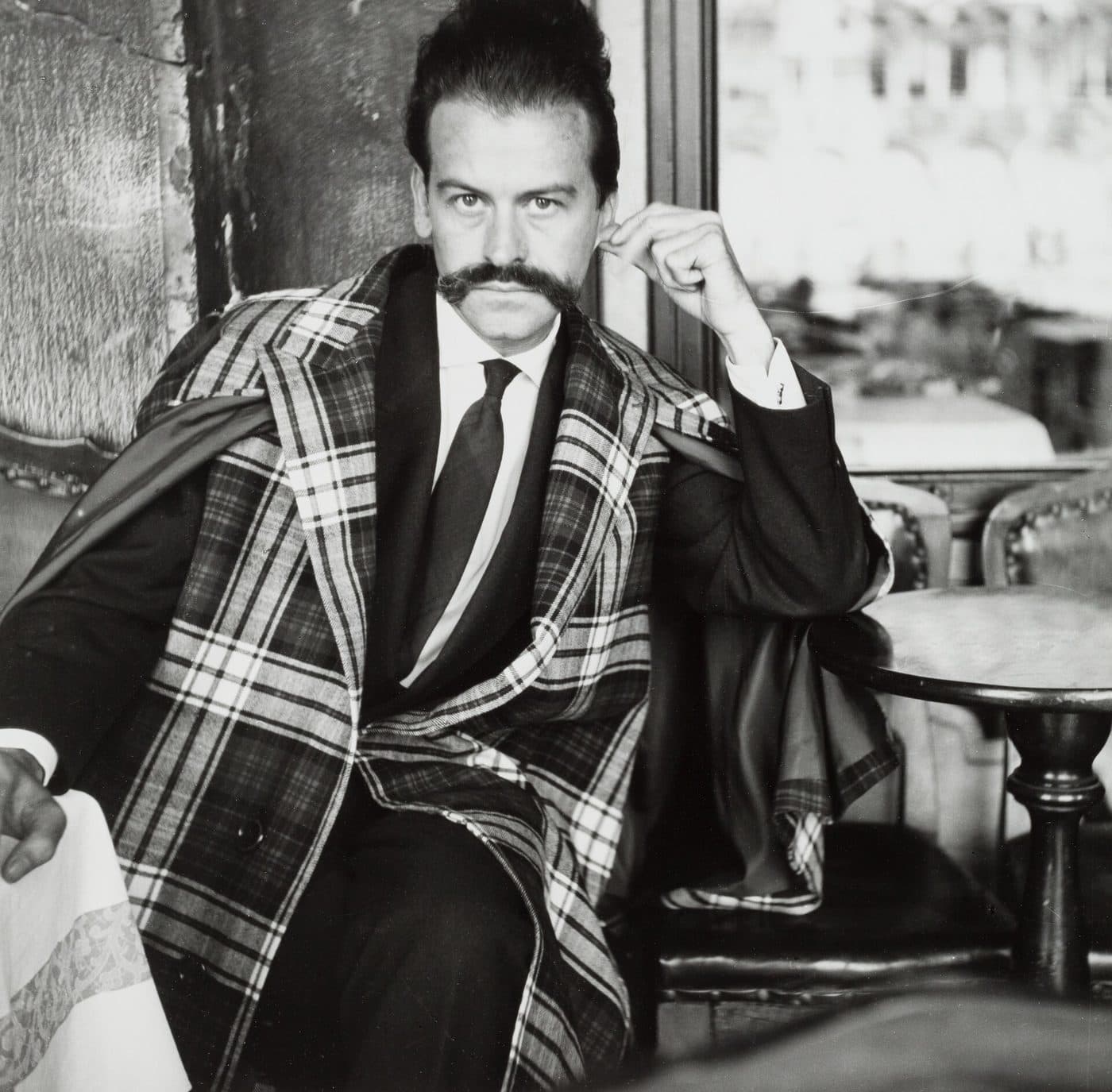
- Georges MathieuPainted enormous canvases in public, at speed, in costume, and designed the ten-franc coin.
- Jean-Paul RiopelleSigned Quebec's Refus Global, moved to Paris, and built mosaics of paint with a palette knife.
- Serge PoliakoffPlayed the guitar in Paris nightclubs for twenty years, and painted interlocking blocks of colour.
- Nicolas de StaëlBuilt pictures from thick slabs of colour laid on with a knife, at the line where landscape becomes abstraction.
- Jean DubuffetWine merchant until forty-one, then the inventor of Art Brut and the Hourloupe.
- Sam FrancisLearned to paint flat on his back in a military hospital, and spent fifty years pushing colour to the edges.
Chinese painters in Paris
Spain, Italy and Germany
- Antoni TàpiesCatalan painter who made pictures out of marble dust, sand and varnish, then scratched them.
- Alberto BurriA doctor who came out of a prisoner-of-war camp and began stitching, burning and cracking his materials.
- Giulio TurcatoSigned Forma 1, painted political abstraction, and made surfaces out of foam rubber and sand.
- Ernst Wilhelm NayLaid colour down as discs across the canvas, and built a whole late career out of the device.
- Fred ThielerGerman Informel painter of poured, dripped and layered fields, and an influential Berlin teacher.
Famous Art Informel works
- The RoofsNicolas de Staël, 1952, Centre Pompidou, Paris
- Capetians EverywhereGeorges Mathieu, 1954, Centre Pompidou, Paris
- Sacking and RedAlberto Burri, 1954, Tate, London
- Great PaintingAntoni Tàpies, 1958, Solomon R. Guggenheim Museum, New York
What a valuation turns on
Post-war European abstraction has a strong international market, and much of what is offered is genuine but minor: works on paper, small canvases, lithographs and late work. Several of these painters were prolific, and the date matters as much as the name: a Zao Wou-Ki oil of the 1950s, one of the 1980s and a late ink are three different propositions, and each period is valued on its own terms.
For most of these artists the foundation or the catalogue raisonné committee is the authority: there are foundations for Hartung, Zao Wou-Ki, Tàpies and Burri, and a catalogue raisonné for Riopelle. A certificate from the relevant body is usually expected before a work can be sold, and a work offered without one goes to them first.
Common questions
What is Art Informel?
Art Informel is gestural, abstract painting made in Europe, chiefly in Paris, from the mid-1940s to the 1960s. It rejected geometric abstraction for spontaneity, texture and the mark of the hand. The critic Michel Tapié named it in 1951.
What is Tachisme?
Tachisme, from the French tache, a stain or blot, is a strand of Art Informel in which paint is applied in patches, dabs and drips. The word was in use among French critics from the early 1950s.
What is Lyrical Abstraction?
A name, taken from exhibitions in Paris in 1947 and 1948, for the free, expressive abstraction of painters such as Georges Mathieu, Hans Hartung and Wols. It is often used almost interchangeably with Art Informel.
What is the difference between Art Informel and Abstract Expressionism?
They were parallel movements of the same years. Abstract Expressionism was American and often on a vast scale; Art Informel was European, often smaller, and more concerned with surface, matter and calligraphic mark.
How do I sell a post-war European abstract painting?
Send photographs of the front, the signature and the back, with any certificate or labels, for a free, confidential valuation. We check whether the artist's foundation or committee has seen the work, and compare a confidential private sale with auction.
