
Edward Weston valuation
Made a pepper, a nautilus shell and the dunes at Oceano look like sculpture, in contact prints from 8x10 negatives.
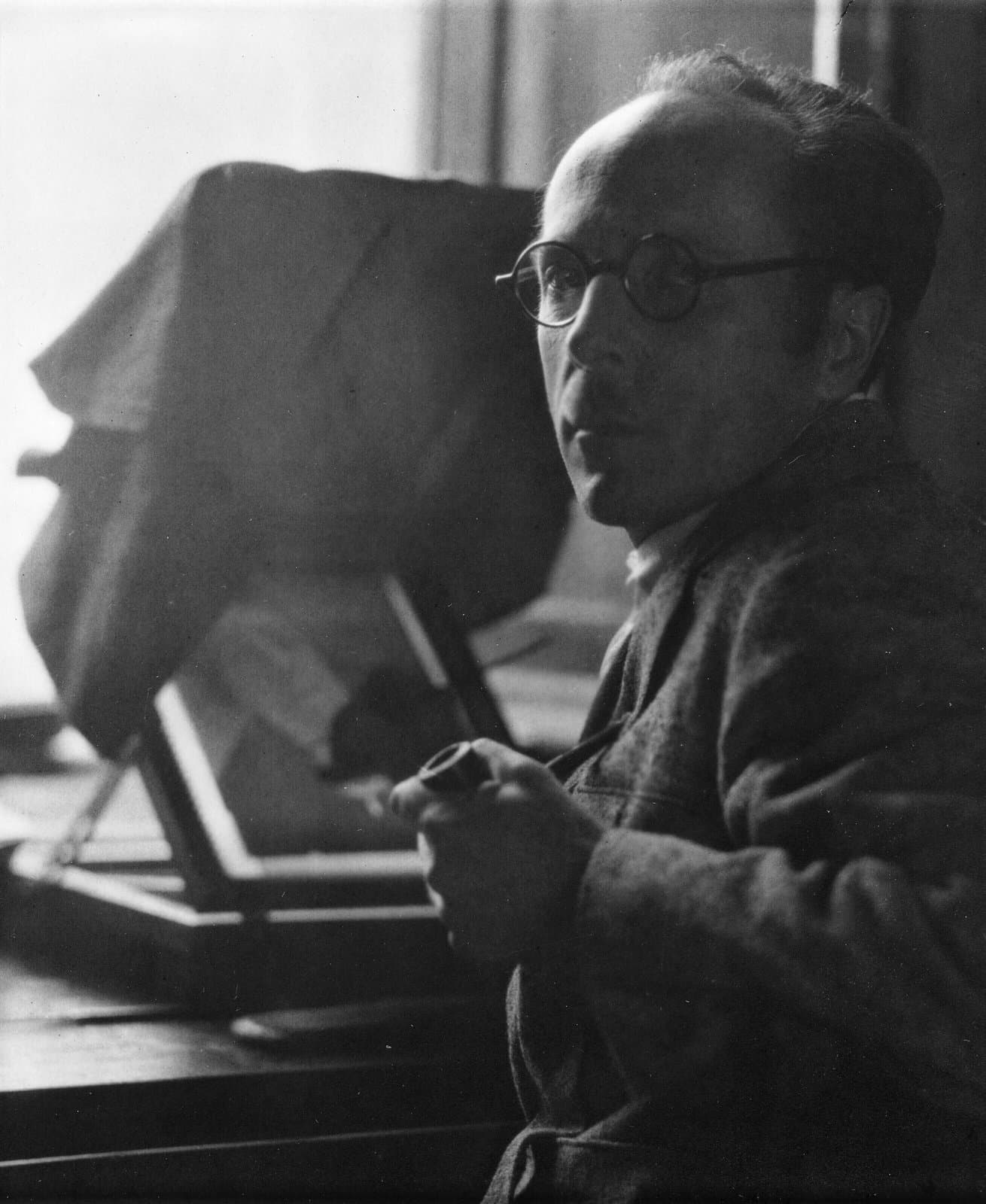
Edward Weston (1886–1958) was born in Highland Park, Illinois, was given his first camera by his father at sixteen, and moved to California in 1906, where he opened a portrait studio in Tropico, now part of Glendale.
What a work by Edward Weston is worth
Send photographs and whatever paperwork came with it. The first question is what the work actually is — edition or unique, when, and in what condition — because everything else follows from the answer. A valuation is free, made online from the photographs you send, and it commits you to nothing. We act for sellers across the United Kingdom, Europe and the United States.
Write to info@whitebankfineart.co.uk, or start below.
Bio
Edward Weston (1886–1958) was born in Highland Park, Illinois, was given his first camera by his father at sixteen, and moved to California in 1906, where he opened a portrait studio in Tropico, now part of Glendale. His early work was soft-focus pictorialism. Three years in Mexico from 1923, with Tina Modotti and among the Mexican muralists, turned him towards sharp, direct pictures of things, and back in California he made the shells, peppers, cabbages and nudes he is known for, among them Nautilus of 1927 and Pepper No. 30 of 1930; from 1929 he lived and worked in Carmel. In 1932 he was a founder of Group f/64 with Ansel Adams, Imogen Cunningham and others, and in 1937 he became the first photographer awarded a Guggenheim Fellowship, which took him across California and the West. Point Lobos, near his home, was his last great subject.
Weston contact-printed from 8 by 10 inch negatives, so most of his own prints are the size of the negative, usually mounted and signed or initialled and dated in pencil on the mount. Those prints are the core of the market and are scarce. In the early 1950s his son Brett printed a large selection of his negatives under his eye, including the Fiftieth Anniversary Portfolio of 1952, and later his son Cole printed from the negatives too, among them a portfolio of 1971 in an edition of 50; Cole's prints carry his own stamp on the back. A Brett or Cole print of a famous image is a far more modest thing than one Edward printed himself, however close they look, so the stamps, signatures and mount are the first things to read. The Center for Creative Photography in Tucson holds his archive.
Whitebank Fine Art is an art advisory and gallery, not an auction house, and is not affiliated with any auction house or with the artist, their estate or their representatives. This page describes the range we advise on. Nothing here is investment advice.