
Paul Cezanne valuation
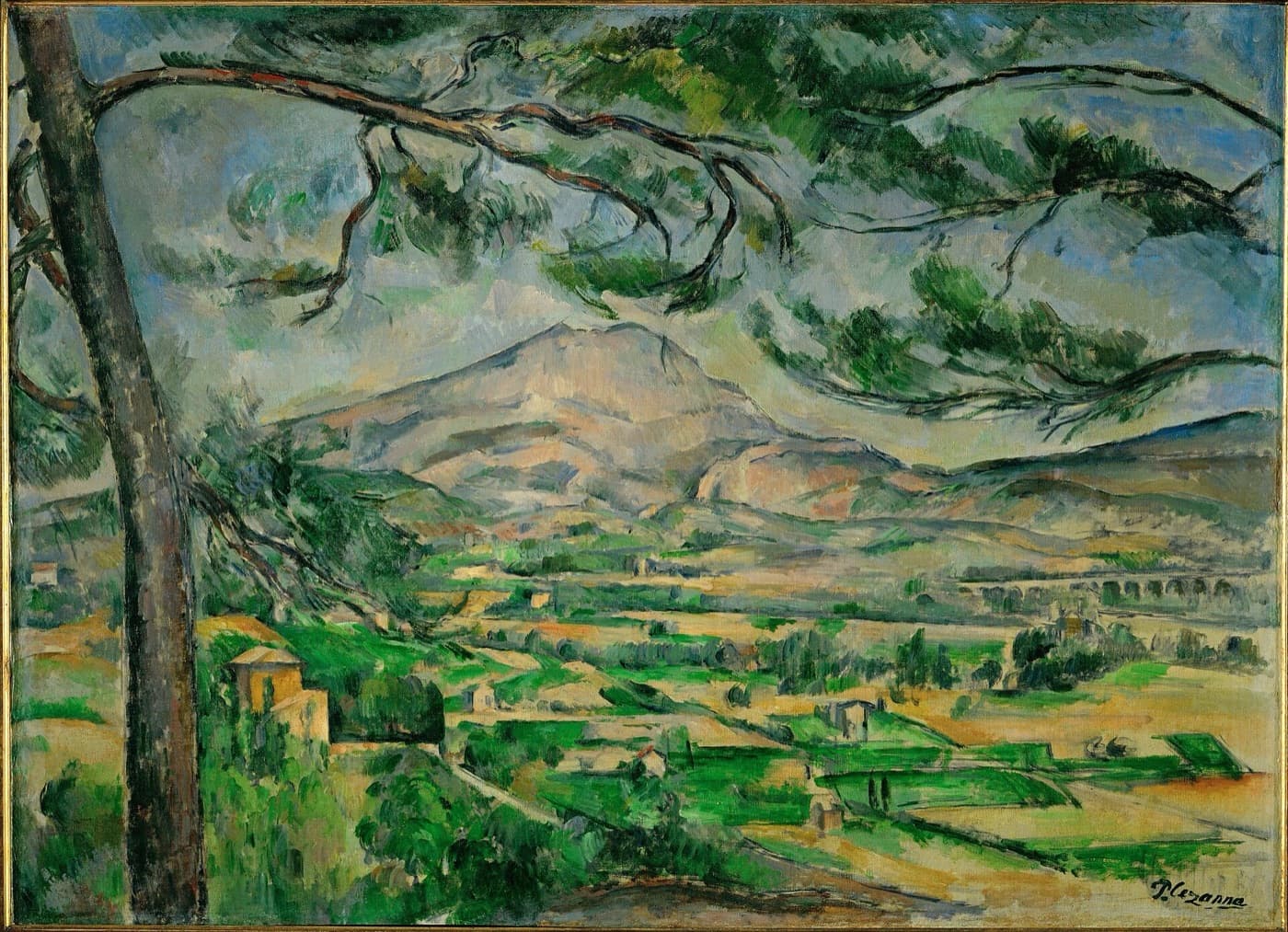
The painter both Picasso and Matisse called the father of us all, working the same mountain for decades.
Paul Cezanne was born at Aix-en-Provence in 1839, the son of a banker who intended him for the law.
What a work by Paul Cezanne is worth
Send photographs and whatever paperwork came with it. The first question is what the work actually is — edition or unique, when, and in what condition — because everything else follows from the answer. A valuation is free, made online from the photographs you send, and it commits you to nothing. We act for sellers across the United Kingdom, Europe and the United States.
Write to info@whitebankfineart.co.uk, or start below.
Bio
Paul Cezanne was born at Aix-en-Provence in 1839, the son of a banker who intended him for the law. He exhibited with the Impressionists in 1874 and 1877 and was mauled for it, then withdrew to the south and spent the rest of his life resolving a problem the others had not set: how to build a picture out of planes of colour so that it holds together like architecture rather than dissolving into light. Mont Sainte-Victoire, the bathers, the card players and the studio still lifes are the results, and the late work went directly into Cubism. He died in 1906 after being caught in a storm while painting outdoors.
Very little is on the market and almost nothing is unattributed: the paintings, watercolours and drawings are catalogued, and the Rewald catalogues raisonnes for the watercolours and the paintings are the reference any serious enquiry begins from. The watercolours — sparse, with large areas of the sheet left bare — are a substantial part of the surviving body of work and are extremely sensitive to light. Lithographs after and by him exist, as do a great many later reproductions that are regularly presented as period prints. Provenance is the whole of the question.
At a glance
- Born
- 19 January 1839, Aix-en-Provence
- Died
- 22 October 1906, Aix-en-Provence
- Movement
- Post-Impressionism
More on Wikipedia.
The prints he actually made
Cézanne made very few prints. In 1873, staying near Pontoise, he made five etchings with Dr Paul Gachet, an amateur etcher who prepared the plates and pulled the proofs on his own press. In the late 1890s his dealer Ambroise Vollard persuaded him to make lithographs, and the largest, The Bathers (large plate), was printed in colour by Auguste Clot, guided by a proof Cézanne had painted over in watercolour.
Lifetime impressions of any of these are rare. Later printings, editions after his designs and reproductions are far more common, some of them old enough to look convincing. The printer, the paper and the presence or absence of an edition number usually decide what a sheet is, and a description of one as a Cézanne lithograph needs checking against those details.
Whitebank Fine Art is an art advisory and gallery, not an auction house, and is not affiliated with any auction house or with the artist, their estate or their representatives. This page describes the range we advise on. Nothing here is investment advice.