
Vivian Maier valuation
A Chicago nanny whose negatives, unseen in her lifetime, were found in a storage locker in 2007.
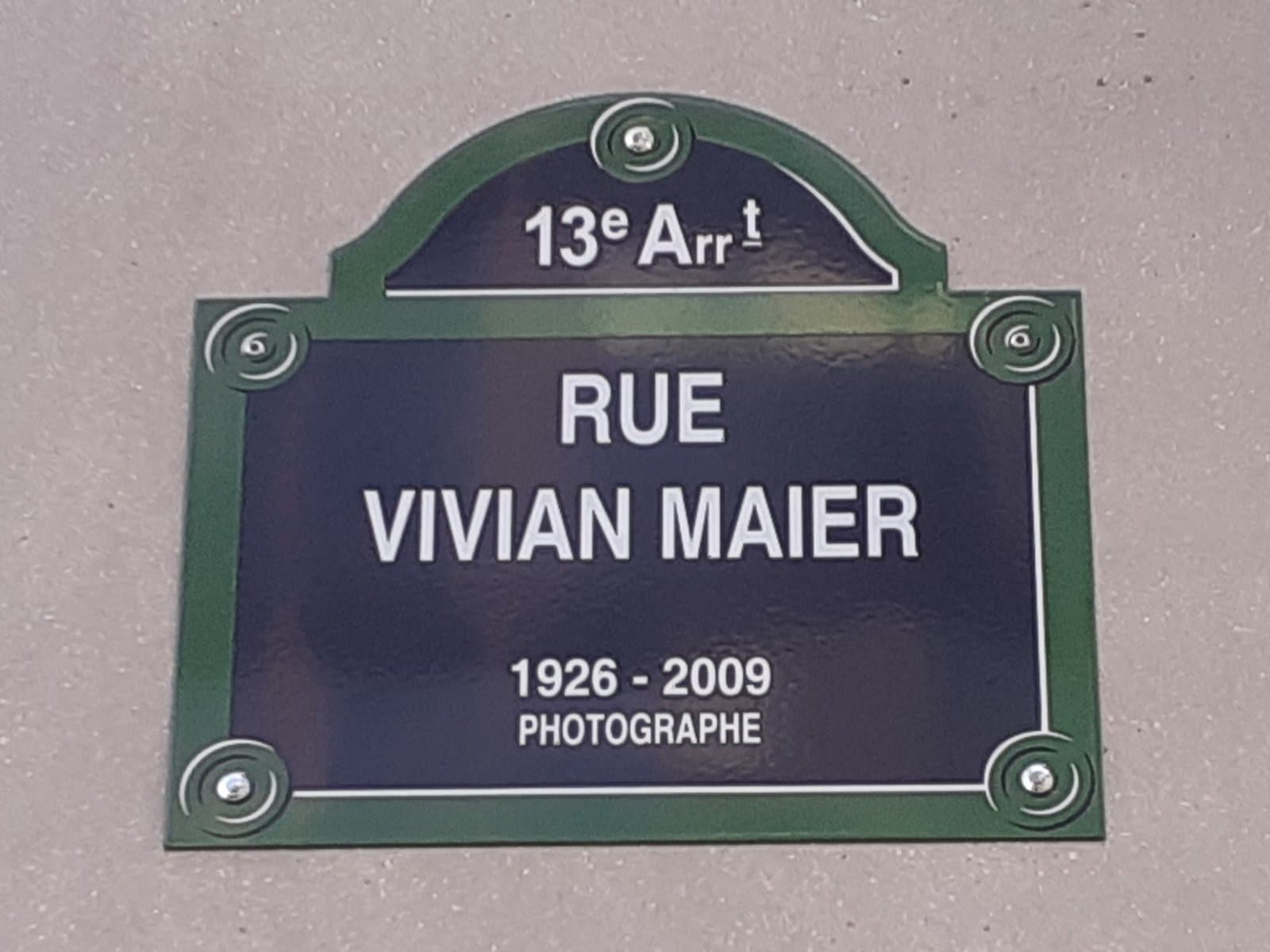
Vivian Maier (1926–2009) was born in New York to a French mother and spent part of her childhood in France, in the Champsaur valley in the Alps.
What a work by Vivian Maier is worth
Send photographs and whatever paperwork came with it. The first question is what the work actually is — edition or unique, when, and in what condition — because everything else follows from the answer. A valuation is free, made online from the photographs you send, and it commits you to nothing. We act for sellers across the United Kingdom, Europe and the United States.
Write to info@whitebankfineart.co.uk, or start below.
Bio
Vivian Maier (1926–2009) was born in New York to a French mother and spent part of her childhood in France, in the Champsaur valley in the Alps. From the 1950s she worked as a nanny, briefly in New York and then for some forty years for families in and around Chicago, and photographed constantly: street scenes, children, the people she passed and herself, reflected in shop windows or seen as a shadow, mostly on a Rolleiflex held at the waist and later in colour on 35mm. She showed the work to almost no one. In 2007 the contents of storage lockers she had fallen behind on were sold at auction, and the collector John Maloof, who bought much of the work, found more than 100,000 negatives, many of them never developed. Exhibitions followed, and Finding Vivian Maier, the documentary he co-directed, was nominated for an Oscar.
Because she printed so little herself, prints made in her lifetime are rare, usually small, and the most valuable. Most of what is on the market are posthumous gelatin silver prints made from her negatives for the Maloof Collection, in editions of 15, stamped, numbered and signed on the back by John Maloof, along with prints from other collectors who bought her material at the same sales. The rights to her work were long disputed between the collectors and her estate before an agreement was reached, so a print's paperwork matters: who printed it, when, from which collection and under what authority. A posthumous print, however fine, is a different object from one she made or had made herself.
Whitebank Fine Art is an art advisory and gallery, not an auction house, and is not affiliated with any auction house or with the artist, their estate or their representatives. This page describes the range we advise on. Nothing here is investment advice.