Contemporary figurative painting
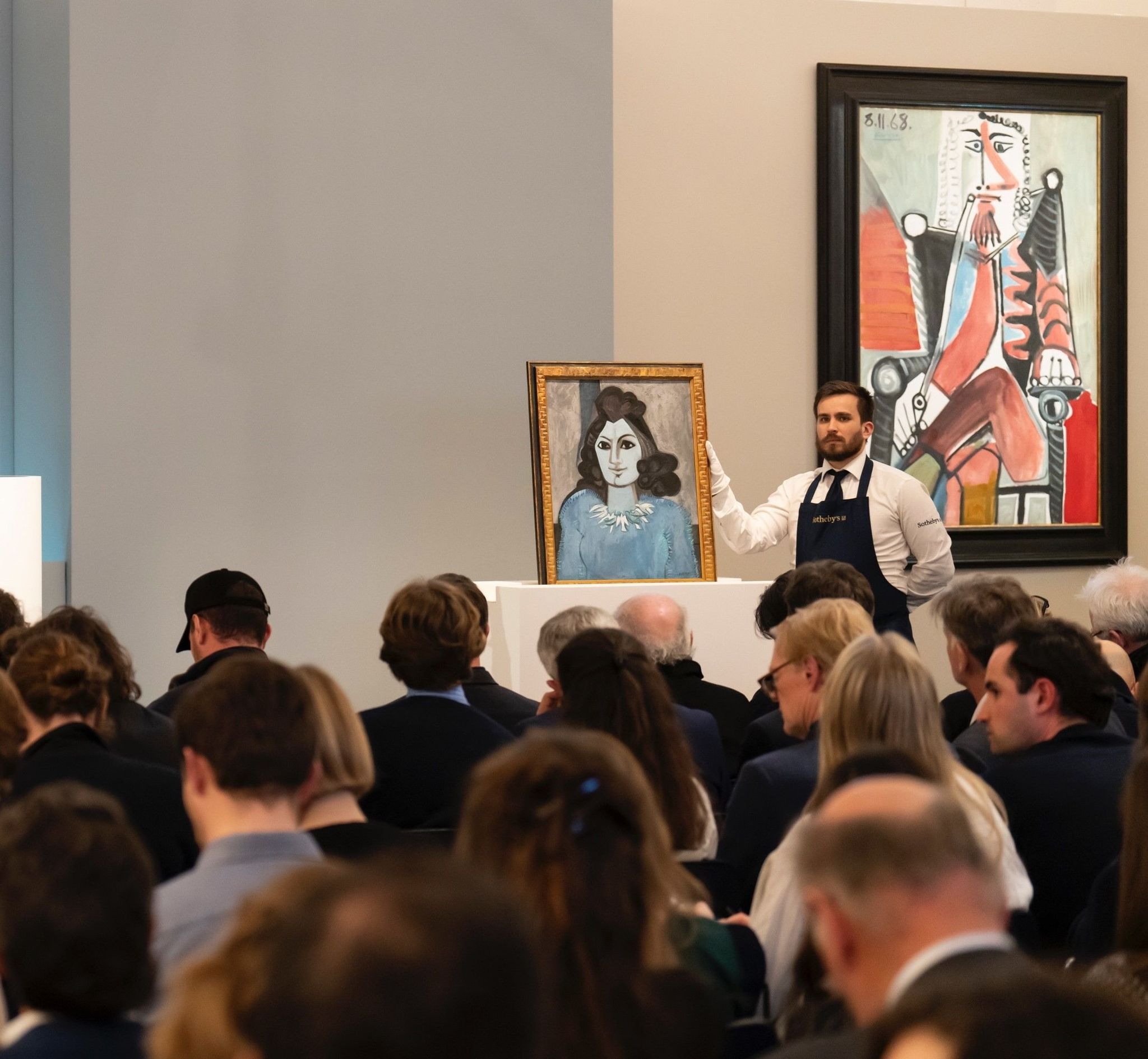
Contemporary figurative painting is the return of the human figure, and of painting itself, to the centre of art, led by painters such as Kerry James Marshall, Marlene Dumas and Peter Doig and, from the 2010s, by a generation of portraitists including Kehinde Wiley, Amy Sherald and Lynette Yiadom-Boakye.
For much of the late twentieth century the art world treated painting people as old-fashioned and looked instead to abstraction, conceptual art, photography and installation. A few painters kept at it, and the next generation learned from them. In Chicago, Kerry James Marshall set out to put Black figures into the grand tradition of history painting, at the scale museums give their masterpieces. In Amsterdam, the South African Marlene Dumas painted faces and bodies from photographs in thin, wet washes; Luc Tuymans in Antwerp and Peter Doig in London, and later Trinidad, made pale, unsettling pictures out of photographs, film stills and memory. In Leipzig, Neo Rauch and the younger painters later called the New Leipzig School took the figurative training of the old East German academy into strange, dreamlike scenes. Contemporary figurative painting has no manifesto and no single style; what its painters share is a subject, the human figure.
In the 2010s the figure moved to the centre. Mastry, Marshall's retrospective, opened at the Museum of Contemporary Art Chicago in 2016 and travelled to the Met Breuer in New York and the Museum of Contemporary Art in Los Angeles. In February 2018 the National Portrait Gallery in Washington unveiled the official portraits of Barack Obama, by Kehinde Wiley, and Michelle Obama, by Amy Sherald, the first official portraits of a president and first lady by Black artists, and they drew crowds. Painters from Africa and its diaspora, Njideka Akunyili Crosby, Toyin Ojih Odutola, Lynette Yiadom-Boakye, Amoako Boafo and Michael Armitage among them, and in Britain Hurvin Anderson, Jenny Saville and Chantal Joffe, made who gets painted, and how, one of the central questions of the decade. Collectors followed, and paintings by artists only a few years out of art school began to be resold almost as soon as they were bought, in the part of the market that came to be called ultra-contemporary.
At a glance
- When
- 2000s to today
- Where
- The United States, Britain, Europe and Africa
- Leading artists
- Kerry James Marshall, Kehinde Wiley, Amy Sherald, Njideka Akunyili Crosby
Characteristics of contemporary figurative painting
- The figure
- People, portraits and interiors, painted from life, from photographs and from memory.
- Who is pictured
- Sitters long missing from museum walls, painted in the formats of state portraiture and history painting.
- Paint on show
- Visible brushwork, thin washes, flat colour grounds and patterned backgrounds.
- From photographs
- Many paint from snapshots, film stills, magazines and the internet, and make no secret of it.
- Art history
- Poses and techniques taken openly from the Old Masters, Manet and the Dutch Golden Age.
Figurative artists
Every artist below has a page on this site, with a short biography and what a valuation of their work turns on.
The United States
- Kerry James MarshallPaints Black figures in the grand manner of history painting, on the scale museums reserve for masterpieces.
- Kehinde WileyPuts young Black men into the poses of European state portraiture, against wallpaper that grows over them.
- Amy SheraldPaints Black Americans in grey skin tones against flat colour, and painted Michelle Obama's official portrait.
- Njideka Akunyili CrosbyLayers paint, charcoal and photo transfers of Nigerian life into large interiors that hold two homes at once.
- Toyin Ojih OdutolaDraws richly layered portraits in pen, pastel and charcoal that build fictional worlds, from Nigerian aristocracy to ancient parable.
- Elizabeth PeytonSmall, jewel-coloured portraits of rock stars, royalty, friends and historical heroes, painted with a fan's devotion.
- Cecily BrownPaints so that bodies keep surfacing out of the abstraction and then dissolving back into it.
- George CondoOld Master technique in the service of faces that have come apart.
- Dana SchutzPaints crowded, awkward, invented scenes of people doing impossible things.
- Salman ToorPaints young South Asian queer men in small, glowing green scenes of friendship, home and travel.
- Jenna GribbonPaints her partner and friends in close, candid moments, with a strong sense of being looked at back.
- Anna WeyantPaints dark, comic scenes of girls and women in the manner of the Dutch Golden Age, with a social-media sense of timing.
Britain
- Peter DoigSnow, canoes, half-remembered landscapes, and the painter who moved to Trinidad.
- Lynette Yiadom-BoakyePaints portraits of people who do not exist, quickly, and usually in a single day.
- Hurvin AndersonPaints barbershops, Caribbean gardens and memory, out of a Birmingham childhood and a Jamaican inheritance.
- Michael ArmitagePaints East African politics, myth and daily life on Ugandan bark cloth, in a lush, dreamlike style.
- Jenny SavillePaints the body at enormous scale, in paint as heavy and physical as the flesh it describes.
- Chantal JoffePaints women, her daughter and herself, fast and very large, from photographs and life.
- Caroline WalkerPaints women at work — cleaners, nail technicians, nurses, her own mother — seen through glass.
- Rose WyliePaints films, footballers and half-remembered images on huge unprimed canvases, and found fame in her seventies.
Europe
- Marlene DumasPaints faces and bodies from photographs in wet, washed oil and ink, raw with tenderness and threat.
- Luc TuymansPaints from photographs and film stills, small, pale and fast, about things that are hard to look at.
- Neo RauchLeipzig painter of dream-logic scenes where socialist realism and surrealism share a canvas.
- Adrian GhenieRomanian painter of smeared, scraped portraits and interiors haunted by the twentieth century's dictators and disasters.
- Claire TabouretPaints groups of children and dressed-up figures on grounds that glow through the surface.
Famous Figurative works
- The PainterMarlene Dumas, 1994, Museum of Modern Art, New York
- Past TimesKerry James Marshall, 1997
- Barack ObamaKehinde Wiley, 2018, National Portrait Gallery, Washington
- Michelle LaVaughn Robinson ObamaAmy Sherald, 2018, National Portrait Gallery, Washington
What a valuation turns on
Much of this market is primary: galleries sell new paintings to collectors they choose, often on the understanding that the buyer will not resell quickly, and sometimes with a written undertaking to offer the work back to the gallery first. A painting bought that way may carry terms in its invoice that bind a later sale, so the invoice is the first document to find.
What separates one work from another is period, size and subject: the paintings that made an artist's name against later or smaller ones, a full figure against a study, a canvas against a work on paper. Many of these painters make few prints, so a print is a separate question again. Because so many of them came to wide notice in the 2010s, a painting's exhibition history, and above all whether it was in the show that made the artist known, carries weight.
Common questions
What is contemporary figurative painting?
It is painting of the human figure, and of recognisable people and places, made since the 1990s, after decades in which the art world favoured abstraction and conceptual art. Kerry James Marshall, Marlene Dumas and Peter Doig led it, and from the 2010s a generation of portraitists including Kehinde Wiley, Amy Sherald and Lynette Yiadom-Boakye brought it to the centre.
What is figurative art?
Figurative art represents recognisable things, above all people, as opposed to abstract art. The term covers everything from Old Master portraits to the painters of today; contemporary figurative painting usually means the figurative work made since the 1990s.
Who are the leading contemporary figurative painters?
Kerry James Marshall, Marlene Dumas, Peter Doig, Luc Tuymans, Neo Rauch, Elizabeth Peyton, Cecily Brown and George Condo among the established names; Kehinde Wiley, Amy Sherald, Lynette Yiadom-Boakye, Njideka Akunyili Crosby, Toyin Ojih Odutola and Michael Armitage among those who came to prominence in the 2010s.
Who painted the Obama portraits?
Kehinde Wiley painted Barack Obama and Amy Sherald painted Michelle Obama. The portraits were unveiled at the Smithsonian's National Portrait Gallery in Washington in February 2018, the first official portraits of a president and first lady by Black artists.
How do I sell a contemporary figurative painting?
Send photographs of the front, the back and the signature, with the gallery invoice and any certificate, for a free, confidential valuation. We check the paperwork, including any resale terms agreed with the gallery, then compare a confidential private sale with auction.